
No other fruit is quite like the avocado. Its smooth, silky flesh has an almost nutty, buttery richness that makes everything from toast to tacos taste better. Here’s my guide to the types of avocados, how to pick a ripe one, how to ripen and store them, and the science behind keeping avocados green.

What Is an Avocado?
Avocado, or Persea americana, is a pear-shaped fruit with a rough, pebbly skin and tender, silky flesh. It grows on evergreen trees in the laurel family (Lauraceae). It was once nicknamed the “alligator pear,” which fits its shape and shiny, deep green skin.
Most varieties share a smooth, creamy texture and a mild, vegetal flavor. That richness makes avocados a natural fit for dips, sauces, and smoothies, and it even works as a substitute for butter in some spreads and baked goods.
When Are Avocados in Season?
Most grocery stores carry avocados year-round. The California season starts in the fall and lasts until spring. The trees grow best in warm climates, but you can also sprout an avocado pit and grow a small tree as a houseplant.
Types of Avocados
Hass is the avocado you’ll see in most stores, but several other varieties are worth trying if you spot them at a farmers’ market.
- Hass: The major player in the world of avocados. Hass accounts for about 95% of the avocados grown in California. It has a creamy, velvety texture and pebbly skin that’s easy to peel. The skin turns from green to purple-black as it ripens.
- Bacon: A medium-sized fruit with smooth, light green skin that’s easy to peel.
- Fuerte: Pear-shaped and medium to large, with smooth green skin.
- Gwen: Similar in taste and texture to Hass, but slightly larger.
- Lamb Hass: A large avocado with a smooth, nutty flavor. It ripens in the summer.
- Pinkerton: A high-yielding variety that’s long and pear-shaped, with a small seed.
- Reed: A large, round avocado with a round seed.
- Zutano: One of the earliest avocados of the season. It has light green skin, pale flesh, and a very mild taste.
Avocados at a Glance
| Avocado | Shape and Size | Skin | Flavor |
|---|---|---|---|
| Hass | Oval, medium | Pebbly, turns purple-black | Rich and creamy |
| Gwen | Oval, slightly larger than Hass | Pebbly, green | Similar to Hass |
| Lamb Hass | Oval, large | Pebbly, green | Smooth and nutty |
| Reed | Round, large | Green | Creamy |
| Fuerte | Pear-shaped, medium to large | Smooth, green | Mild |
| Bacon | Oval, medium | Smooth, light green | Mild |
| Pinkerton | Long and pear-shaped | Green | Creamy, small seed |
| Zutano | Pear-shaped | Smooth, light green | Very mild, pale flesh |
How to Choose a Ripe Avocado
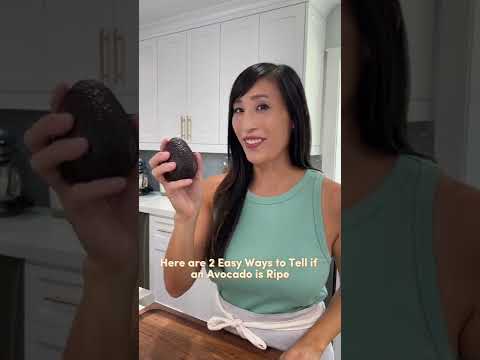
To tell if an avocado is ripe, gently squeeze it in the palm of your hand. Avoid pressing with your fingertips, which can bruise the flesh. A ripe avocado feels firm but yields to gentle pressure. You can also check under the stem. If the little cap flicks off easily and it’s green underneath, it’s ripe. If it won’t come off, it needs more time. If it comes off too easily and it’s brown underneath, it’s overripe.
Look for fruit without dark spots or dents, and skip any that feel mushy. If you won’t use them for a few days, buy firm, unripe avocados and let them ripen at home.
How to Ripen Avocados

Avocados soften as they ripen, and some varieties, like Hass, also turn dark purple or almost black. Not all avocados change color, so go by feel. Firm avocados will ripen on the counter at room temperature in a few days.
The science: Avocados ripen after they’re picked, and they release ethylene, a natural plant hormone that triggers softening. To speed things up, place them in a paper bag with an apple, banana, or kiwi. These fruits also give off ethylene, and the bag traps the gas around the avocados so they ripen faster.

How to Store Avocados
- Unripe: Keep at room temperature, out of direct sun, until they yield to gentle pressure.
- Ripe: A ripe avocado will last about two days at room temperature, or up to five days in the refrigerator. Chilling slows down ripening, so it’s a great way to hold them at their peak.
- Cut: Brush the exposed flesh with lemon or lime juice, press plastic wrap directly onto the surface, and refrigerate.
- Frozen: Mash or purée the flesh with a little lemon or lime juice, then freeze it in an airtight container. Thawed avocado is best for guacamole, smoothies, and spreads.

Why Avocados Turn Brown
When you cut an avocado, you break open its cells. An enzyme called polyphenol oxidase reacts with oxygen in the air and turns the green flesh brown. It’s the same reaction that happens to cut apples. I tested several methods in my guide on how to keep apples from turning brown, and the same science applies here.
- Add acid: Lemon juice, lime juice, or a little white vinegar lowers the pH, which slows the browning enzyme. The vitamin C (ascorbic acid) in citrus also reacts with oxygen first. That’s why my guacamole always gets a squeeze of lime.
- Block the air: Press plastic wrap directly onto the surface of cut avocado or guacamole so there are no air pockets. A thin coating of oil also creates a barrier.
- Keep it cold: Refrigerating slows the enzyme down, but it won’t stop it completely. A thin brown layer is harmless and can be scraped off.

How to Cut an Avocado
Avocados are easiest to cut when they’re ripe but not too soft. Slice around the pit lengthwise, twist the halves apart, and remove the pit. From there, you can slice or dice the flesh right in the skin and scoop it out with a spoon. My step-by-step guide on how to cut an avocado has photos for each step. For the best color, cut avocados right before serving.
Ways to Use Avocados
- Mash it: Make a bowl of the best guacamole, or spread it on bread for avocado toast with your favorite toppings.
- Slice it: Layer it into sandwiches, add it to a Cobb salad, or fan it over a salmon poke bowl.
- Dice it: Toss it into a fresh avocado salad, corn salsa, mango salsa, or shrimp ceviche.
- Top with it: Avocado is a cool, creamy finish for shrimp tacos, huevos rancheros, and chicken tortilla soup.
- Blend it: It makes a thick, creamy avocado smoothie without any dairy.
- Fill it: Mash the yolks with avocado for avocado deviled eggs.
What Is Avocado Oil?

Most edible oils are pressed from seeds, but avocado oil is pressed from the flesh around the pit. It has a mild, neutral flavor. Refined avocado oil has one of the highest smoke points of cooking oils, so it works well for searing, roasting, and grilling. Look for cold-pressed avocado oil when you want a fresher, more buttery flavor for drizzling. See how it compares in my guide to types of cooking oils.
- Drizzle as a finishing oil over hot or cold soups
- Use as the base for homemade mayonnaise
- Add to a marinade for roasted vegetables or grilled meats
- Whisk into a salad dressing
Avocado Nutrition
According to the USDA, here’s the nutrition breakdown for a California (Hass) avocado. The standard serving size is one-third of a medium avocado, about 50 grams.
| Nutrient | Per Serving (50 g) | Per Avocado (136 g) |
|---|---|---|
| Calories | 84 | 227 |
| Total Fat | 7.7 g | 20.9 g |
| Saturated Fat | 1.1 g | 2.9 g |
| Monounsaturated Fat | 4.9 g | 13.3 g |
| Carbohydrates | 4.3 g | 11.8 g |
| Fiber | 3.4 g | 9.2 g |
| Protein | 1.0 g | 2.7 g |
Source: USDA FoodData Central, Avocados, raw, California.
Frequently Asked Questions
A firm avocado usually ripens in a few days at room temperature. Placing it in a paper bag with an apple, banana, or kiwi can speed things up by a day or two.
Keep unripe avocados on the counter, since the cold slows ripening. Once they’re ripe, move them to the refrigerator to keep them at their peak for up to five days.
Yes. Mash or purée the flesh with a little lemon or lime juice, then freeze it in an airtight container or freezer bag. The texture will be softer after thawing, so it’s best for guacamole, smoothies, and spreads rather than slicing.
Only the spot directly under the pit stays green, because the pit blocks air from reaching it. Pressing plastic wrap onto the surface works much better.
Hass avocados are smaller, with pebbly skin and rich, creamy flesh. Florida avocados are larger, with smooth, bright green skin. Their flesh has less fat and more water, so it tastes lighter and milder.




Patrick Steffy says
Hi Jessica, I have a Bacon Avocado Tree in the yard. What to do with the surplus? I give them to friends, but still there is more than we can eat. Patrick
Jessica Gavin says
Wow, you’re lucky! Search “avocado” on my website add you find lots of delicious recipes. There are smoothies, avocado toast, and dips. Did you know that you can also freeze avocados? Like to freeze haves, slices, or mashed to use in recipe later.
Anjali says
Love you and your wealth of recipes. Enjoy cooking your dishes and impressing my family and friend. I just got the instapot, can you post some recipes to cook in this pot. (don’t eat beef or pork). Stay safe and healthy
Jessica Gavin says
Thank you for cooking along with me, Anjali! So great that you got a pressure cooker, I have a category for Instantpot recipes on my website, search for “pressure cooker” in the cooking methods search area.
Debra Hunts says
Hi Jessica,
Do you have a recipe for banana bread using avocados?
Jessica Gavin says
No, however, I think you could use my current recipe and substitute some of the fat with mashed avocado.
Patrick says
Great insights, thank you!
Jessica Gavin says
You’re welcome, Patrick!
Sandra Jenney says
Thank you for your info I enjoy your site
Jessica Gavin says
Thank you, Sandra!
Mr. Ron says
Hi Jessica, I love avacados. Here in Mississippi, they cost 79¢ so I eat one every day. Glad to hear they are so nutritious; few foods that are good for you are also tasty.
Jessica Gavin says
That’s a great deal on avocados!
RICHARD STREEM says
I enjoy your columns I am a diabetic and trying to lose weight also. Perhaps you can occasionaly address recipes that would be interest to people like me.
Also, please comment on the new genertion of pressure cookers such as instapot or ninja. Maybe even give your recommendations on which brand is better..
Jessica Gavin says
Thanks for checking out my articles, Richard! I use the Instant Pot and have found it easy to use with solid results. I have not used the ninja pressure cooker.
Dwaine says
Hi Jessica. I’ve been enjoying the recipes and extra information. I learn something new most posts.
Do you know if unripe hard avocados have the same nutritional benefits as ripe ones?
Jessica Gavin says
Hi Dwayne- I’ve read that the majority of the macronutrients don’t change much, however as the fruit ripens some antioxidant activities may increase to handle the stress of the process. Also, the low amount of starches converts to sugar to make it softer, but avocados are a low carb fruit.
yoga says
Can eating avocado help lose weight?