
Food Science
Food Science
Curious why recipes work? My food science guides explain the why behind cooking, from the Maillard reaction and emulsions to baking chemistry and cooking methods, so you can cook with more confidence.
Browse Recipes
Popular Favorites


Dry-Heat Cooking Methods
Dry-heat methods use hot air, oil, or a hot pan to cook food. With no water to hold the temperature down, surfaces get hot enough to brown, building rich, roasted flavor.
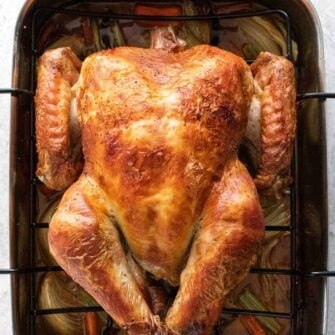
Food Science
Roasting Cooking Method
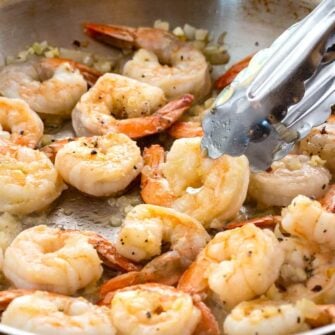
Food Science
Sautéing Cooking Method
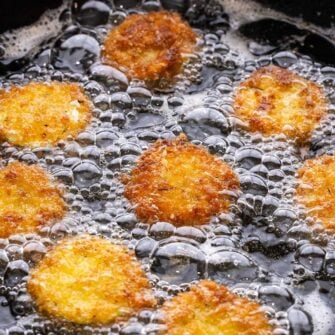
Food Science
Pan Frying Cooking Method
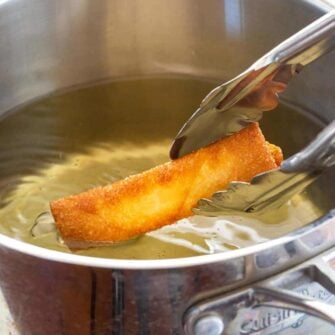
Food Science
Deep Frying Cooking Method
Moist-Heat Cooking Methods
Moist-heat methods cook food in water, steam, or another liquid. The temperature stays around the boiling point, so food cooks gently and evenly.
Food Science
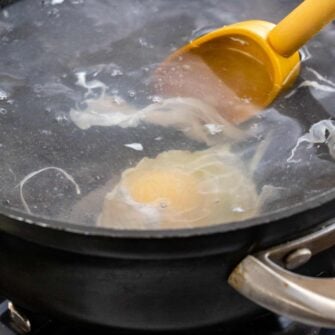
Poaching Cooking Method
Food Science
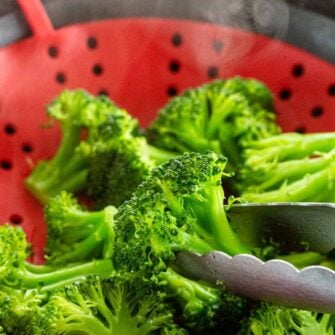
Steaming Cooking Method

Food Science
Simmering Cooking Method
Food Science
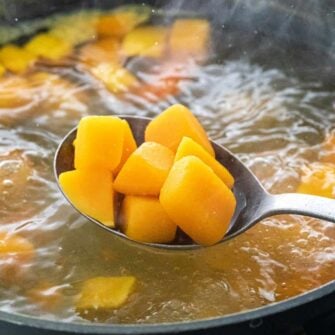
Boiling Cooking Method
Baking Science
Baking is chemistry you can taste. Leaveners create the gas that makes baked goods rise, gluten gives them structure, and the fat you choose changes the texture.


Food Science
What is Gluten? and Why it’s so Important

Food Science
Difference Between Butter and Shortening

Food Science
A Guide to High Altitude Baking
Meat Science
Tender, juicy meat comes down to moisture and temperature. Salt helps proteins hold on to water, and cooking to the right internal temperature keeps meat from drying out.


Kitchen Science Basics
Small details make a big difference. Knowing how oils behave under heat, how starches thicken sauces, and how to measure accurately helps every recipe turn out right.

Food Science
Smoke Point of Cooking Oils

Food Science
What is a Thickening Agent and How to Use it
Cooking 101
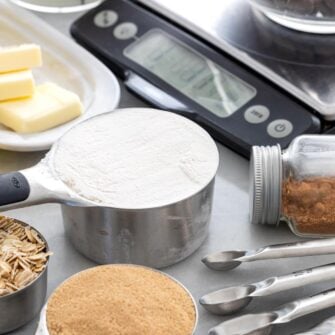
Kitchen Conversion Chart

Cooking 101
Top 10 Cooking Tips
Newest Articles
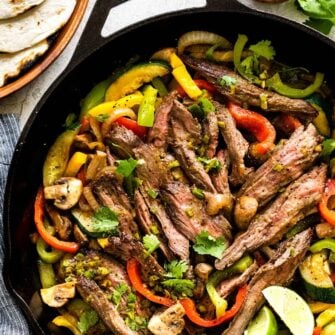
Food Science
Types of Cooking Methods
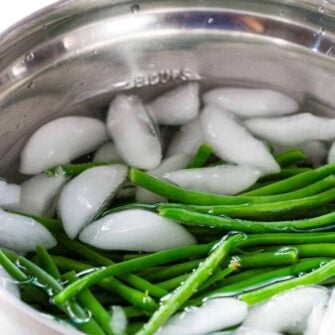
Food Science
Blanching Cooking Method
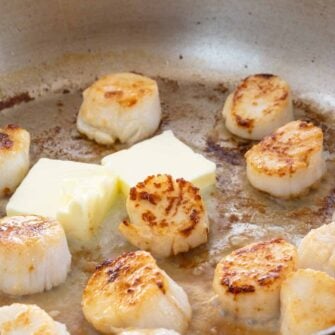
Food Science
Searing Cooking Method
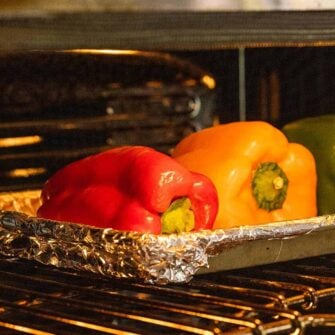
Food Science
Broiling Cooking Method
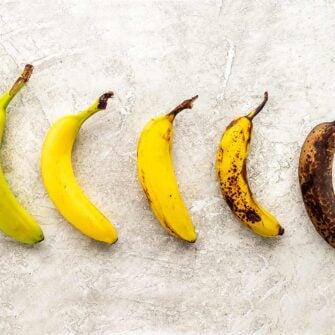
Food Science
Banana Ripeness Guide

Pantry Staples
What is Cream of Tartar?


Food Science
Settling the Stuffing vs. Dressing Debate

Ingredient Guides
Yam vs. Sweet Potato

Food Science
What is MSG?


Food Science


