

One simple way to keep your ground meat-based dishes moist, tender, and flavorful is to add a Panade. The following guide will teach you how to make one.

Jessica’s Recipe Science
- A panade acts like a moisture-locking sponge, helping prevent meat proteins from tightening too much during cooking.
- Mixing bread and milk into a paste creates a more tender texture because the hydrated starches reduce excessive protein bonding.
- A panade helps keep meat juicy by trapping rendered fat and flavorful juices as the proteins cook and contract.
Featured Comment 109
“The Panade explanation is really interesting. I had no idea. So I tried it with the meatloaf yesterday, and it worked! Thank you for introducing this!”—David
Have you ever eaten a hamburger or meatball that tasted dry and inedible like hockey pucks? Recipes that use ground meat can be enhanced with just a few ingredient tricks to turn dull dishes into ones people crave!
Whenever you bake, grill, or braise meat that needs to be cooked well done, you risk losing juiciness and flavor. One simple way to keep ground meat dishes moist and flavorful is to add a Panade.
What is a Panade?
A panade is a mixture of starch and liquid added to ground beef or other ground meats. Any combination of starch (bread, panko, crackers) and liquids (milk, buttermilk, yogurt, stock, water) can be used.
Varying the combination of panade ingredients and incorporating aromatics and spices can add more or less flavor depending on your taste preference.
Basic Panade Recipe

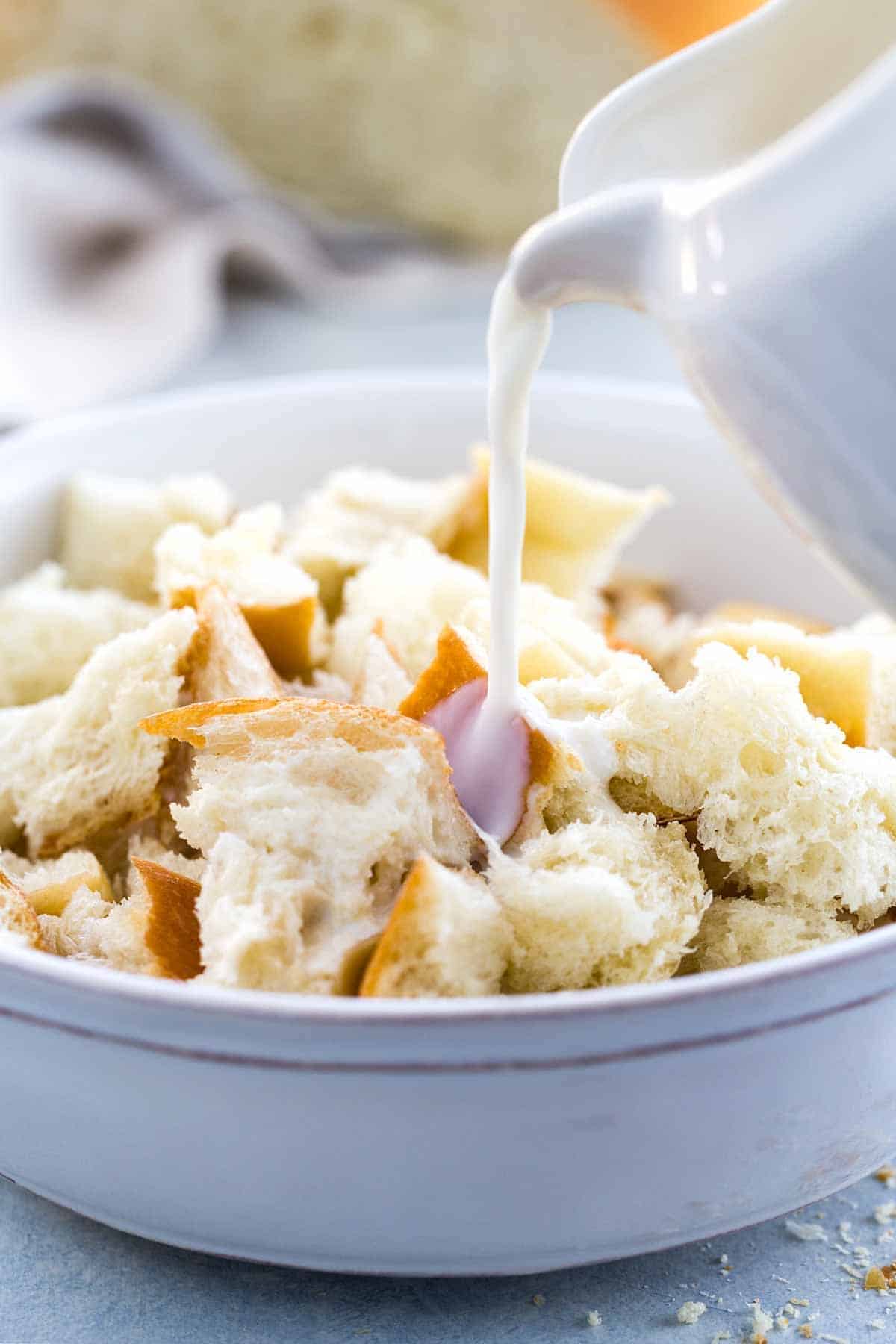
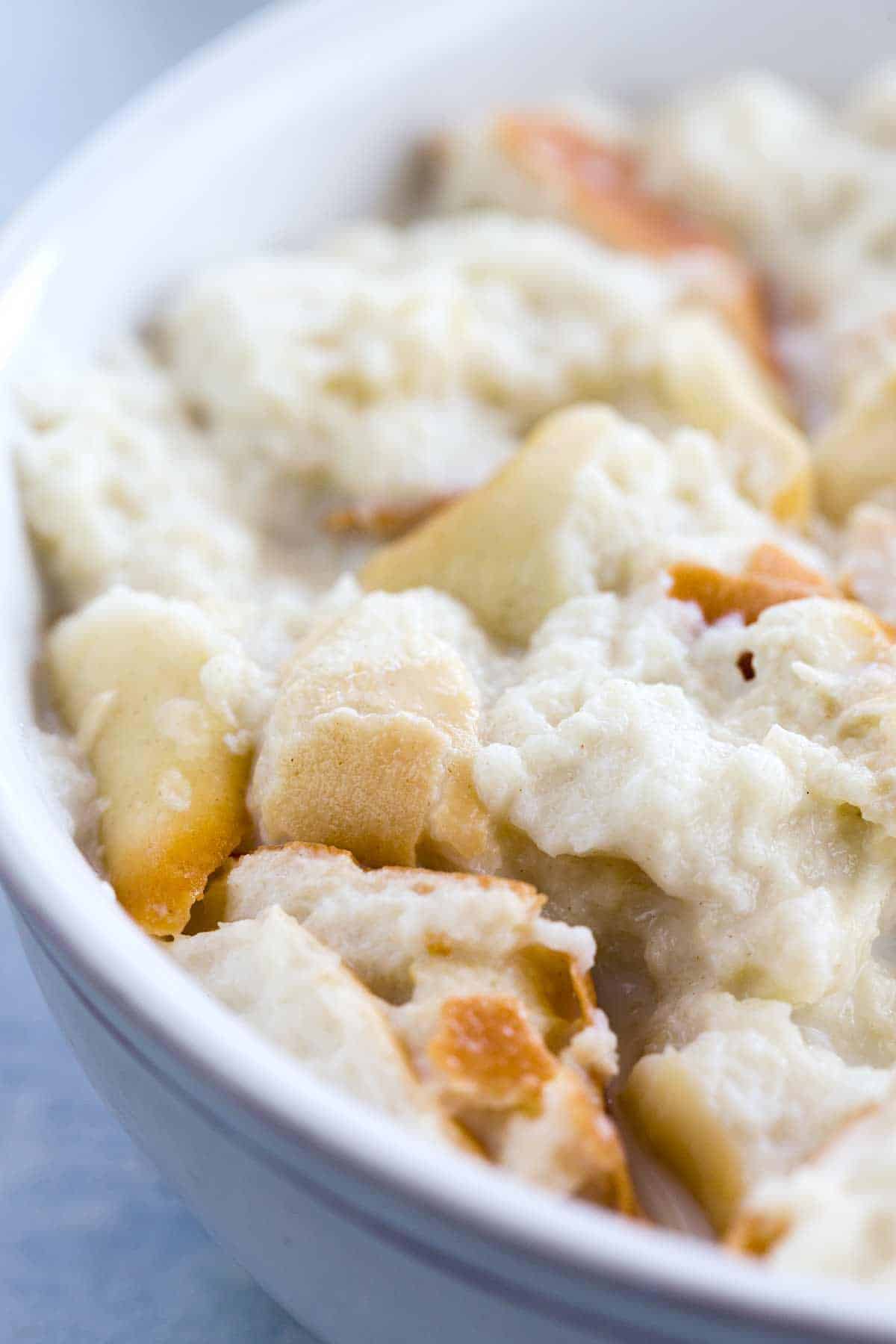
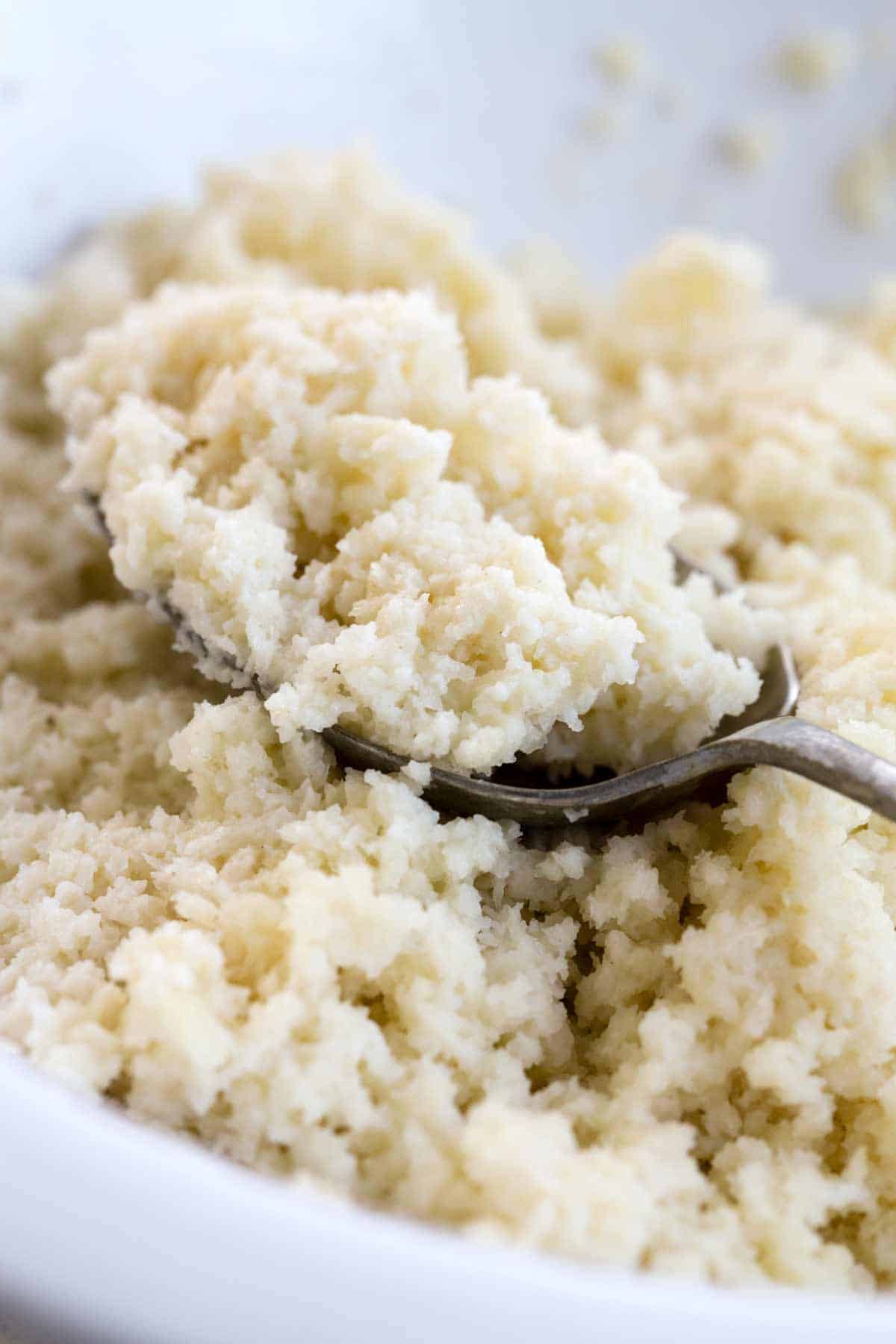
The panade mixture consists of 1 cup bread crumbs or cubes, plus 1 cup of liquid, soaked for 10 minutes and mashed into a paste. I recommend the following amount of panade based on specific recipes:
- Meatballs and Meatloaf: 1 pound meat + 1 large egg + ½ cup panade
- Burgers: 1 pound meat + ¼ cup panade
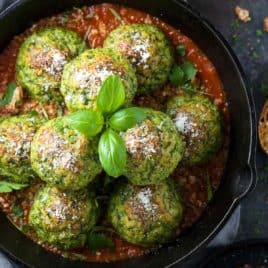
Experiment with the amount of panade until the desired texture is achieved. You can taste how adding a panade makes a recipe moister and more tender by trying my Italian meatball recipe.
Meat cooked without a Panade
When the muscle fibers of meat are cut or ground into smaller pieces, sticky soluble proteins are released, which can affect the meat’s texture. After meat is mixed and cooked, the proteins tighten and contract, squeezing out significant amounts of moisture. If a panade is not added, ground meat dishes may shrink and become dry or tough to eat.
What is the Function of a Panade?
The starch in the bread absorbs the liquid in the mixture, forming a starch paste. The paste coats the proteins and sets into a gel when cooked, preventing the proteins from linking too tightly together and squeezing out moisture. This keeps the ground meat’s shape while retaining moisture.
Ways to Use a Panade



If you tried this Panade Recipe, please leave a 🌟 star rating and let me know how it went in the 📝 comments below!
How to Make a Panade

Ingredients
- 1 cup bread, cut into ½" cubes
- 1 cup milk, plus more as needed to cover bread
Instructions
- Place the bread in a medium-sized bowl, then pour 1 cup of milk or more as needed to cover the bread.
- Allow the bread cubes to soak for at least 10 minutes, until most of the milk has been absorbed and the bread is mushy.
- Pour off any excess milk and mash the bread mixture with a fork until there are no dry spots. The mixture should look like a starchy paste.
Notes
- Buttermilk, non-dairy milk, stock, or broth can be used instead of milk.
- Dried breadcrumbs, like cubes, panko, and smaller traditional breadcrumbs, can be used. It may need more time to soak if cubed or less time if smaller. Just make sure the liquid is absorbed and the bread is not dry.
- This recipe is for the panade mixture only. Incorporate into meat recipes such as: For Meatballs and Meatloaf: Add ½ cup panade to 1 pound ground meat, 1 large egg, and seasoning. Mix until combined and cook according to the recipe. For Burgers: Add ¼ cup panade to 1 pound ground meat and seasoning. Mix until combined and cook according to the recipe.
Nutrition Facts
Percent Daily Values are based on a 2000-calorie diet. All nutritional information is based on estimated third-party calculations. Each recipe and nutritional value will vary depending on the brands you use, measuring methods, and portion sizes per household.


Don says
I use rolled oats – ground or as is – for my starch.
Angie says
I went looking on the internet for a good garlicky meatball recipe and left with an education! I am in LOVE with your recipes and love yhe way you educate others using those recipes. I am just now finding out about you and I’m a fan!!!
Jessica Gavin says
Welcome to our cooking community, Angie! I’m so happy that you found the meatball info helpful. Let me know if you have any questions!
Angie says
Thank you! I did have one question. This panade would replace the bread and liquid components in a recipe, correct?
For example, if I made a meatloaf using 1 pound of meat, I would omit the bread crumbs and milk called for in the meatloaf recipe and instead add 1/2 cup of the panade (and egg) as instructed in your recipe.
Jessica Gavin says
Yes, you can swap the panade for the bread in the recipe. You can still add a little bit of milk if you’d like more moisture.
Leah Garcia says
Hi. Just wondering if this would work well with burger mixture that also has ground pork or would that be too moist?
Jessica Gavin says
Yes, you could use some panade in a burger recipe. I recommend using 3 to 4 tablespoons per pound. If you add too much, it will taste more like a meatball, and you want more of a meaty chew for burgers. The mixture will be slightly more wet, so I would form the patties and refrigerate uncovered for 30 minutes to let the surface dry a bit and for the starches in the panade to gel together. It will make it easier to cook on the stove top or grill.
Kim McNelis says
Do you have to use white bread with the milk
Jessica Gavin says
No, you can use any kinds of breads you want to make the panade. The flavor will impact the recipe, so just make sure it pairs well with the dish.
LR says
Jessica the Panade explanation was exactly what I was looking for. My mother used to make Albondigas soup and although I know how to make her soup I could not remember if she added an egg, breadcrumbs or both… So as I was looking through other recipes I saw so many variations and combination of egg, breadcrumbs, and milk, and some without anything. I wanted to know the necessity to use or not and you made it scientific enough that it absolutely clicked with me. I appreciate you taking the time to explain the binding of the proteins if you don’t use a Panade! Genius!!! I will definitely make the meatballs using your egg and Panade mixture!!!
100 Thank yous!
Jessica Gavin says
You’re so welcome! I can’t wait to hear how the soup turns out!
David says
The Panade explanation is really interesting. I had no idea. So i tried it with the meatloaf yesterday, and it worked! Thank you for introducing this tool!
Jessica Gavin says
Whoo-hoo! I’m glad to hear that you could taste the results of using a panade in your meatloaf.
Stephen Hill says
Thank you the well thought out and written article! 🙂 I saw a recipe for meatloaf that I liked and it used a panade of saltines and milk. I do not eat a lot of saltines and buying so much would’ve been a huge waste.
So, after looking at the various smaller sized cracker boxes I saw Chicken In A Biscuit Crackers which I love but they were a bit high in sodium for me…I’ve been diagnosed with High Blood Pressure. Then saw Sociables Savory Baked Crackers with herbs already baked into the crackers and would a boost in flavor as well as having lower sodium! They worked wonderfully! I’ve been using them ever since then! I assumed your readers may want to know about those. 🙂
Jessica Gavin says
Thanks for sharing how to use low-sodium crackers to make a panade!
Patty says
WOW!! Between Jessica’s knowledge and all the other suggestions and answered question I also learned a whole bunch of info!! Thank you again Jessica, I’m so lucky to have found your site!
Jessica Gavin says
I’m so glad that you found the panade information helpful, Patti!
Nancy Tauber says
Panade explained clearly! Yay for you, Jessica – your recipes and explanations have boosted my cooking.
Jessica Gavin says
You made my day, Nancy! I’m so happy that I can help you in your culinary journey!
Ted Robison says
I love your site!!
Jessica Gavin says
Thank you, Ted!
Joanne Mellquist says
Question:
Can I put the panade into the meat, make the patties for burgers, THEN freeze?
Jessica Gavin says
Yes, you can absolutely freeze the panade in the ground meat.