
It may look like just another baking dish, but the Dutch oven is special. It can cook just about anything. It was the all-in-one, do-everything pot long before the Instant Pot.

So what is a Dutch oven? It’s a heavy-duty pot with a tight-fitting lid, usually made of cast iron (enameled cast iron makes for easier cleanup). It sounds simple, but it can do so much. As a culinary scientist, I love it because its heavy build and snug lid control heat and moisture in a way thinner pots can’t.
It’s most famous for slow cooking and braising meats, but you can cook everything from quick weeknight pastas to soups, stews, and desserts in a Dutch oven. You can even use it to bake bread.
Jump To a Section
Dutch Oven at a Glance
| Factor | Details |
|---|---|
| What it is | A heavy pot with a tight-fitting lid, usually cast iron or enameled cast iron |
| Best for | Braising, stewing, soups, chili, one-pot pastas, and crusty bread |
| Why it works | Heavy cast iron holds steady heat so food simmers evenly without scorching, and the lid traps steam so liquid doesn’t evaporate too quickly |
| Oven use | Goes from stovetop to oven; braises cook at 250 to 325ºF (121 to 163ºC), and bread bakes in a pot preheated to 450ºF (232ºC) |
| Best first size | 6 or 7 quarts |
| Cleaning | Hand wash with hot, soapy water; soak stubborn stains in water and baking soda |
Why Cook with a Dutch Oven?
Besides being incredibly versatile, a Dutch oven can go straight from the stovetop to the oven, so you can brown meat on the burner and then let it braise low and slow in the oven, all in one pot.
How a Dutch Oven Works
- Steady, even heat: Heavy cast iron holds steady heat, so stews and braises simmer evenly without scorching on the bottom. It also sears well, so you can brown meat in the same pot before adding liquid.
- A lid that traps steam: A tight-fitting lid traps steam and keeps the liquid from evaporating too quickly. When braising, the bottom of the food simmers in the liquid while the top gently steams under the lid.
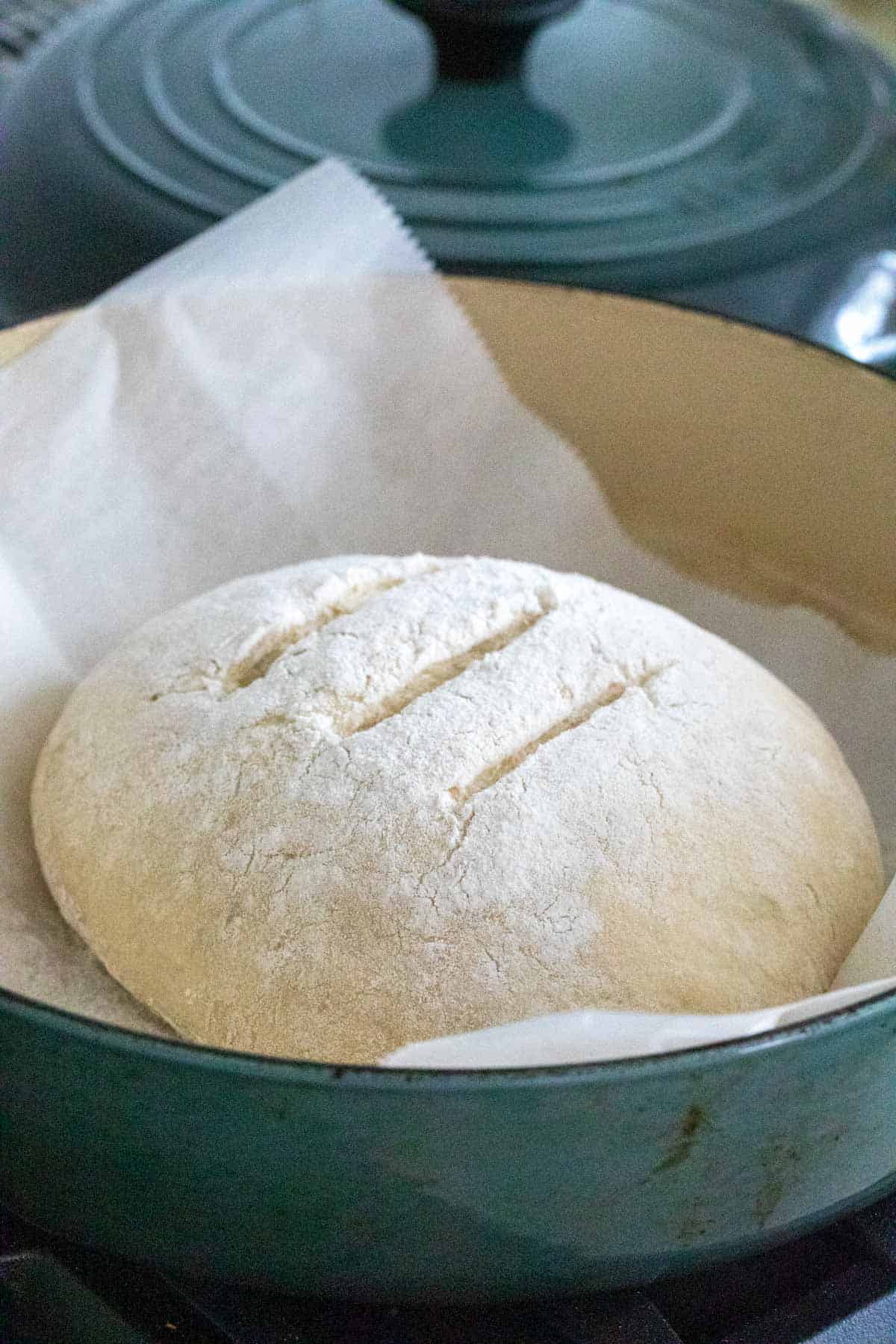
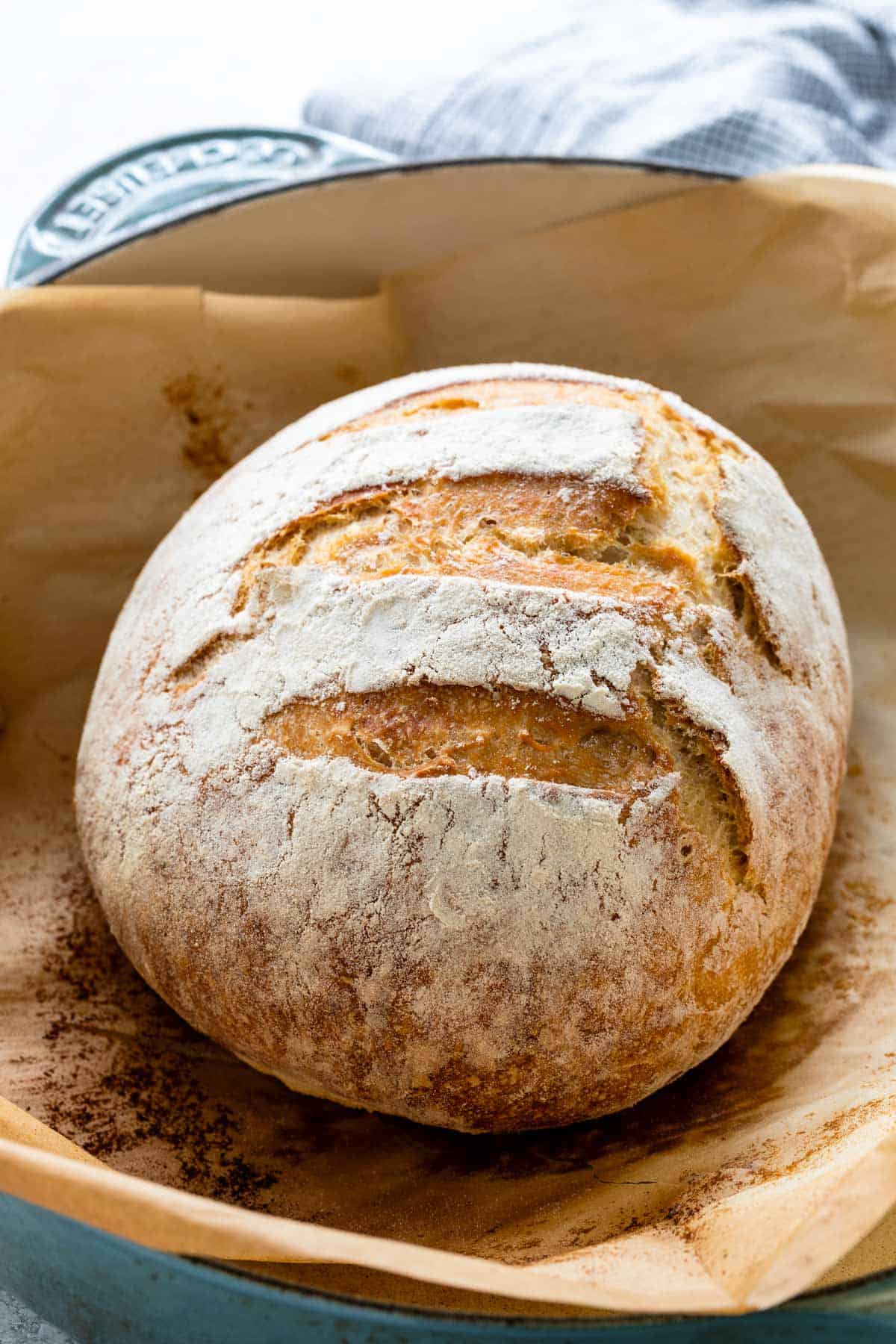
- A built-in bread oven: Preheated, the pot becomes a small, very hot enclosed space. The heavy lid traps steam from the dough, and that hot, humid air transfers heat into the bread faster than dry heat, giving you a crisp, crackly crust. See how it works in my No-Knead Bread.

Advantages
- Versatile: Braise, brown, fry, stew, sauté, boil, and bake, all in one pot.
- Stovetop to oven: It handles high heat with ease. If your lid has a plastic knob, swap it for a metal replacement knob before putting it in a hot oven.
- Pretty enough to serve in: Enameled cast iron Dutch ovens come in an array of fun colors, so you can take a braise or stew right from the oven to the table.
Disadvantages
- Weight: Moving one in and out of the oven takes a little more muscle than grabbing a sheet pan or baking dish.
- Price: Premium brands like Le Creuset and Staub, made in France, can be pricey. They use more high-quality iron because of the pot’s thickness, and they’re finished by hand, which adds to the cost.

Le Creuset 7.25 Quart Dutch Oven
Enameled Cast Iron
If you’re not sure how much you’ll use a Dutch oven, start with a more affordable brand like Lodge. Very inexpensive brands can vary a lot in quality, so look closely at reviews before you buy.

Lodge 7.5 Quart Dutch Oven
Enameled Cast Iron
How to Choose a Dutch Oven
- Thick and heavy-duty: You want a Dutch oven that’s thick all the way around: bottom, sides, and all.
- A tight-fitting lid: If the lid is loose, heat escapes while you’re braising and simmering, which changes cooking times and makes the pot less effective.
- Round over oval: Choose a large, round Dutch oven over a narrow, oval one. As you cook with it more, you’ll find the narrow shape limiting.
- A light interior: Even if you choose a dark exterior, look for a light-colored interior. It makes it much easier to watch meat brown and onions caramelize.
- Start with one size: Dutch ovens range from under 1 quart to 13 quarts. A 6 or 7-quart pot is a great first size for most soups, stews, bread, and braises. If you’re cooking for a large family, size up. Mini Dutch ovens are cute for individual portions but less versatile.
Enameled vs. Bare Cast Iron
- Enameled cast iron: A porcelain coating prevents rust and makes cleanup easier, and it doesn’t need seasoning. It has all the cooking benefits of cast iron, and it comes in lots of colors.
- Bare cast iron: Usually more affordable and very durable, but it needs to be seasoned and cared for like a cast iron skillet. Keep cooking times short for highly acidic dishes like tomato sauce, and don’t store food in the pot.
Not sure which brand to buy? Compare my picks for the best enameled cast iron cookware, including Dutch ovens at a range of prices.

How to Cook with a Dutch Oven
Name a cooking method, and this pot can probably do it: braising, stewing, simmering, browning, frying, sautéing, boiling, and baking. It’s even famous for campfire cooking.
- Soups: Try homemade chicken noodle soup or corn chowder.
- Stews and braises: Make a hearty stew like this chicken stew with vegetables, or a rich sauce like this chicken ragu with pappardelle.
- One-pot dinners: Add Mexican chicken and rice to your meal plan one night.
- Bread: A preheated Dutch oven bakes a crusty loaf like my No-Knead Bread.
How to Clean a Dutch Oven
- Hand wash: Even if your manual says it’s dishwasher-safe, hand washing is best. For enameled Dutch ovens, hot water and soap will do the job.
- Stubborn stains: Soak the pot in water and baking soda to loosen stuck-on bits.
- Bare cast iron: Clean and season it the same way you would a cast iron skillet: a quick wash, dry it right away, and rub it with a thin layer of oil.
Dutch Oven vs. Other Pots
Don’t have a Dutch oven yet? Here’s how other pots compare, and when they can stand in.
- Stockpot: Lighter and taller, a heavy-bottomed stockpot is great for boiling pasta and simmering stocks, soups, and stews. It usually isn’t as good for browning meat or going into the oven to braise.
- Slow cooker or Instant Pot: Hands-off and great for stews and braises. For the best flavor, brown the meat first, either with the sauté setting or in a separate pan.
- Casserole dish: An oven-safe casserole dish works for oven recipes, but you can’t brown ingredients in it on the stovetop first.
- Wok or large skillet: A good choice for frying and sautéing.
Recipes to Make in a Dutch Oven


Frequently Asked Questions
A Dutch oven is a heavy-duty pot with a tight-fitting lid, usually made of cast iron or enameled cast iron. It holds steady heat and goes from the stovetop to the oven, so it’s ideal for braising, stewing, soups, and bread.
A 6 or 7-quart Dutch oven is a great first size. It handles most soups, stews, bread, and braises. Size up if you regularly cook for a large family.
The heavy cast iron holds steady heat so the food simmers evenly without scorching, and the tight-fitting lid traps steam so the liquid doesn’t evaporate too quickly. Braises cook at 250 to 325ºF (121 to 163ºC) in the oven.
Yes. Preheat the Dutch oven to 450ºF (232ºC). The heavy lid traps steam from the dough, and the hot, humid air cooks the bread quickly and gives it a crisp crust.
Yes, that’s one of its biggest advantages. If the lid has a plastic knob, replace it with a metal knob before using it in a hot oven.
An oven-safe casserole dish works for oven recipes, and a large stockpot works for soups and stews. Slow cookers and Instant Pots can also stand in.
Once you start cooking with a Dutch oven, you’ll wonder how you ever managed without one!


Marie says
Hi, Jessica! I was looking for what kind of pasta tool to buy after you posted about making your own pasta. I’ve never used one before and I’m prepping for making Lasagna this week. Do all pasta cutters work the same? Honestly, it will be a rainy fall day or snowy winter before I try making my own pasta, but Lasagna has me thinking about it.
Thanks!
Jessica Gavin says
Hi Marie! Great question! I use a Marcato brand pasta roller to make sheets, which can be used to make lasagna. However, there are various brands that can do a similar job with pasta making. Some products have more pasta cutter attachments if you want to make different types of ribbon pasta.