
Learn how to make a fluffy, flavorful American omelet recipe with simple techniques for tender eggs and perfectly melted cheese fillings. This easy step-by-step guide helps you create a classic diner-style omelet at home.

Jessica’s Recipe Science
- Whisking the eggs side-to-side disperses the yolks into the whites, for a uniform protein mixture for even coagulation.
- Adding 1 to 2 teaspoons of liquid per egg increases the amount of steam during cooking, creating a lighter, more tender structure.
- Heating butter just until it foams, evaporates excess water, and creates an evenly heated fat barrier for cooking the omelet.
Why It Works
A classic American omelet recipe contains just eggs, butter, and a sprinkle of cheese and fresh chives. It’s an easy recipe that you can master in minutes, making it perfect for busy mornings, weekend brunch, or whenever you want a protein-packed meal made right in your skillet.
The secret to a great omelet is technique. Small details—like how you whisk the eggs, control the heat, and gently pull the curds toward the center of the pan—make all the difference in texture and flavor. I’ll walk you through each step so you can confidently cook a soft, fluffy omelet with perfectly melted cheese every time.
Jump To a Section
Ingredients You’ll Need
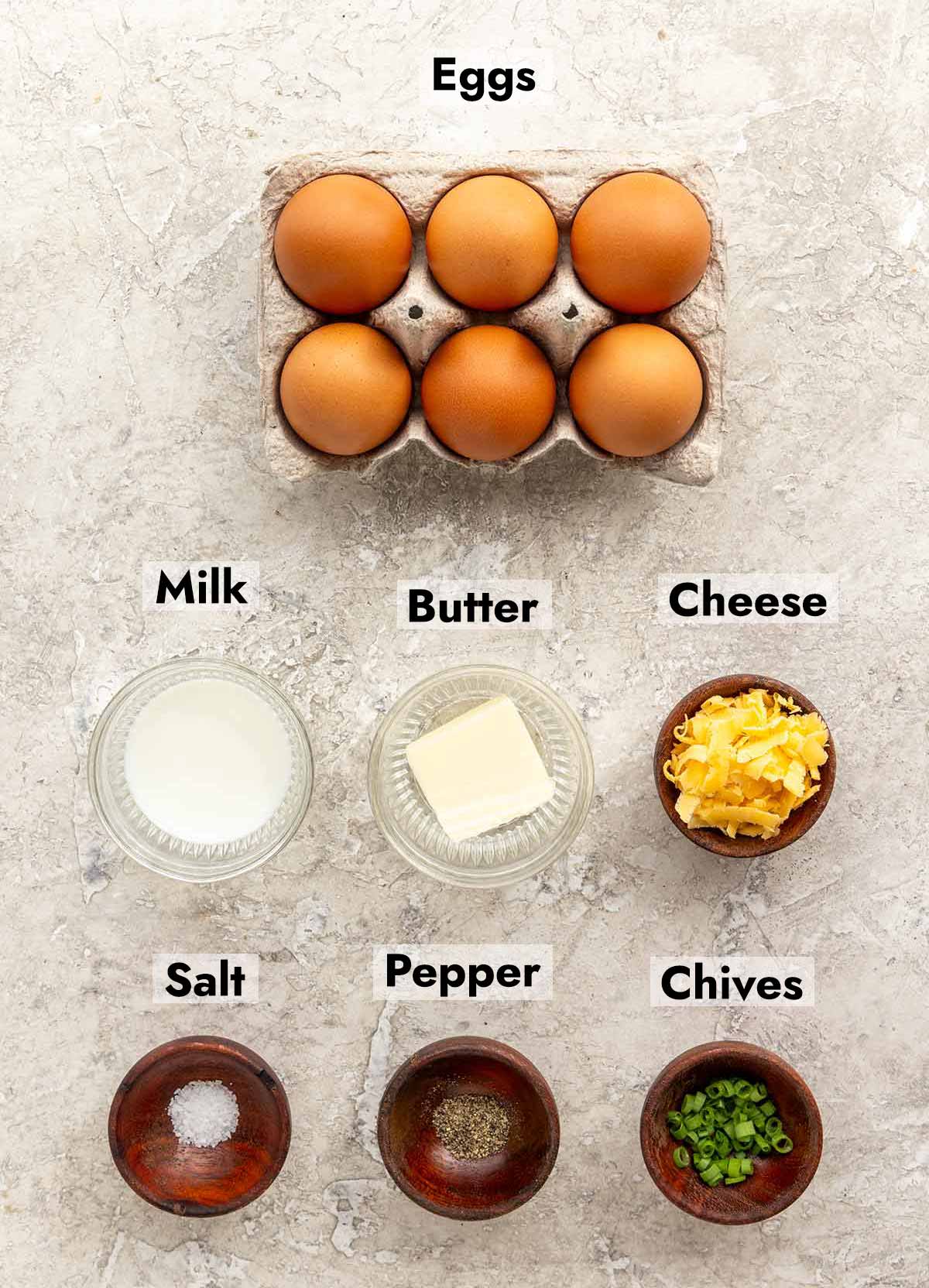
- Eggs: I find that 2 large eggs provide a hearty individual portion. If you’re using different sized eggs, make adjustments as needed. For reference, the monster-sized omelets you find at diners usually contain 3 to 5 eggs. If you are hungry, go for it! Just increase the seasoning, liquid, and use a larger 10-inch pan.
- Liquid: Add 1 to 2 teaspoons of liquid, such as milk, cream, or water, per large egg—the extra moisture yields lighter, moister, and tender eggs. The fat in the dairy adds just a touch of richness to the protein.
- Seasoning: A pinch of salt seasons and tenderizes the omelet by interfering with egg protein bonds as they cook, preventing them from tightening too quickly. This helps the eggs retain moisture, creating a softer, creamier texture while enhancing overall flavor. Black pepper adds a subtle spiciness.
- Butter: Cooking with butter enhances flavor as the milk solids lightly brown, imparting a nutty taste. This is vital for American-style omelets, such as the famous Denver omelet, which have a characteristic golden surface. The butter accelerates the color change.
- Cheese: I like to add cheeses that melt well, such as cheddar, mozzarella, or brie. This helps the omelet stick together when folded, while adding a delicious flavor.
- Herbs: Sprinkle some chopped chives on the egg dish for a fresh herb flavor.
See the recipe card below for all ingredients and measurements (US and metric).
Ingredient Substitutions
This omelet recipe is easy to customize! Try these delicious ideas:
- Butter Swap: Try ghee, margarine, plant-based butter, avocado oil, or light olive oil.
- Cheese: Add your favorite cheese, such as cheddar, mozzarella, Monterey Jack, pepper jack, feta, brie, parmesan, gouda, goat cheese, or Swiss. Use 2 to 4 tablespoons.
- Protein: Add crispy bacon, sausage, leftover baked ham, salmon, or tofu. Chop them into smaller pieces, use ¼ to ½ cup.
- Vegetables: Add chopped mushrooms, broccoli, onions, bell peppers, tomatoes, avocado, spinach, or zucchini, add about ½ cup. Sauté the watery veggies first; otherwise, it will make the center soggy.
- Herbs: Garnish the top of the omelet with fresh herbs like green onions, dill, parsley, tarragon, thyme, rosemary, or oregano.
How to Make an Omelet
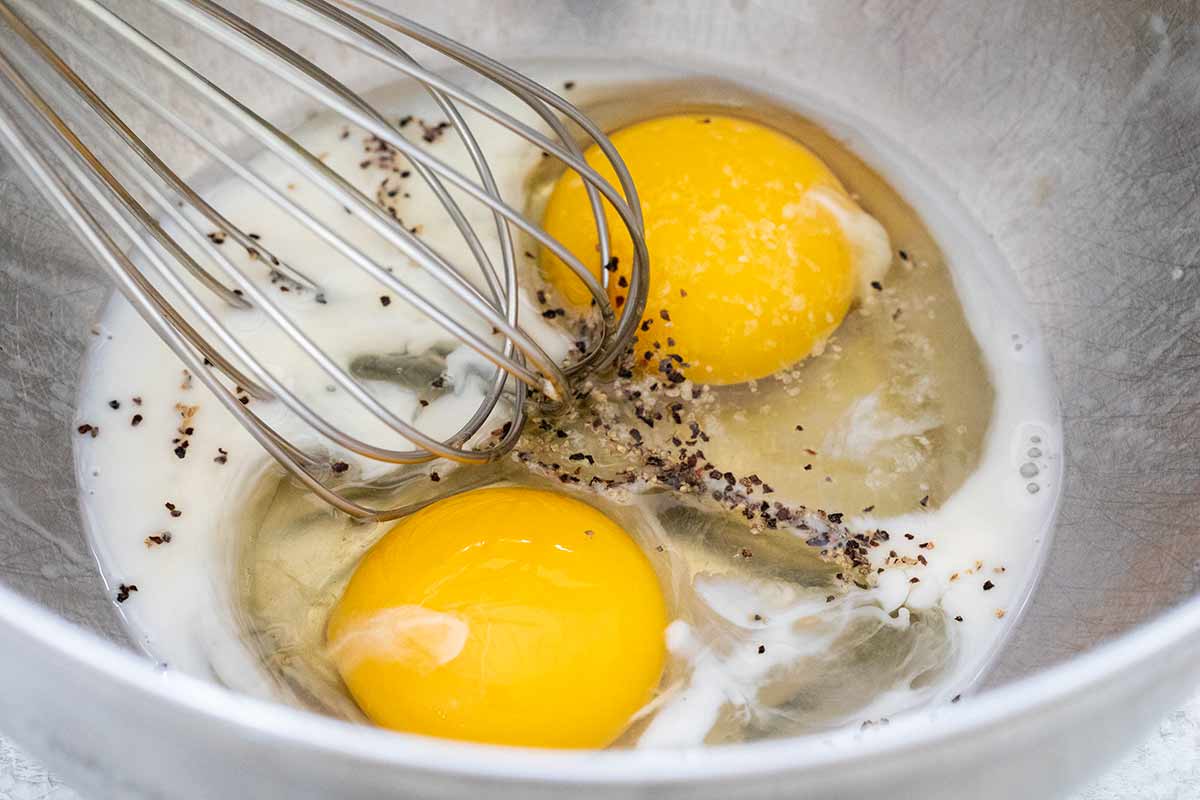
Step 1: Whisk the Eggs
Season the uncooked eggs with salt and pepper, and a small amount of liquid, such as water, milk, half-and-half, or cream. To avoid those pesky pockets of egg whites that sneak up, use a large enough bowl to give plenty of room for movement. Whisk the eggs with a quick, side-to-side motion to generate the most shear force.
The agitation technique will effectively break up the yolks, resulting in a more uniform mixture with the slimy albumin. Don’t overmix! Too much can deflate the trapped air and make the omelet less puffy.
Experimentation Encouraged: I use no more than 1-2 teaspoons of liquid per large egg. However, you do not have to add the liquid if you enjoy a stronger eggy taste.
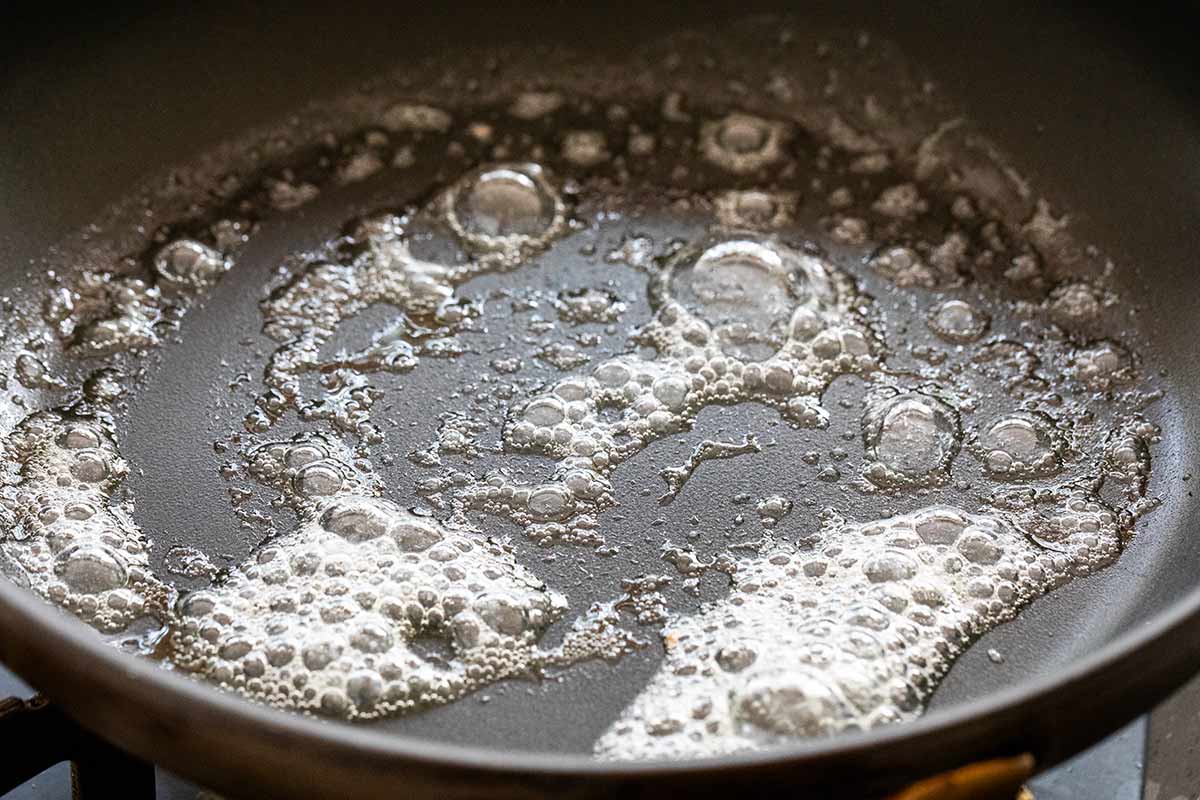
Step 2: Heat the Butter
Heating the melted butter in a non-stick pan until it just bubbles and foams, but doesn’t brown, ensures the pan is hot enough to gently coagulate the egg proteins without overcooking them. The bubbling indicates that excess water in the butter is evaporating, creating an evenly heated fat layer that prevents sticking and promotes smooth curd formation.
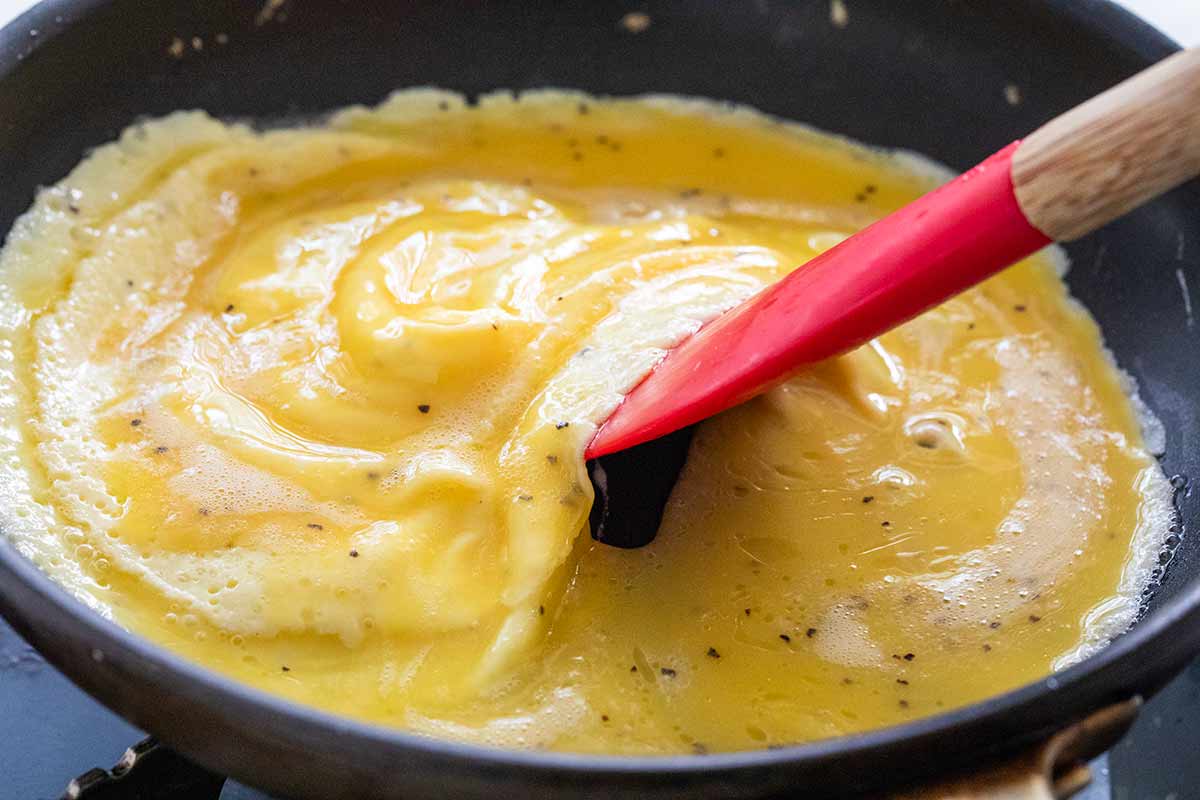
Step 3: Form the Curds
For fluffy centers and a golden-brown crust, pour the eggs into the pan over medium-high heat. This temperature immediately cooks the proteins and turns the moisture into steam, which is then locked inside the curds as they set and firm up.
Use a spatula to quickly pull the set edges of the omelet towards the center, working around the pan and letting the uncooked egg run to the edges. I turn the heat down to low when the surface is still shiny for a creamy interior, but mostly cooked egg.

Step 4: Fill and Fold
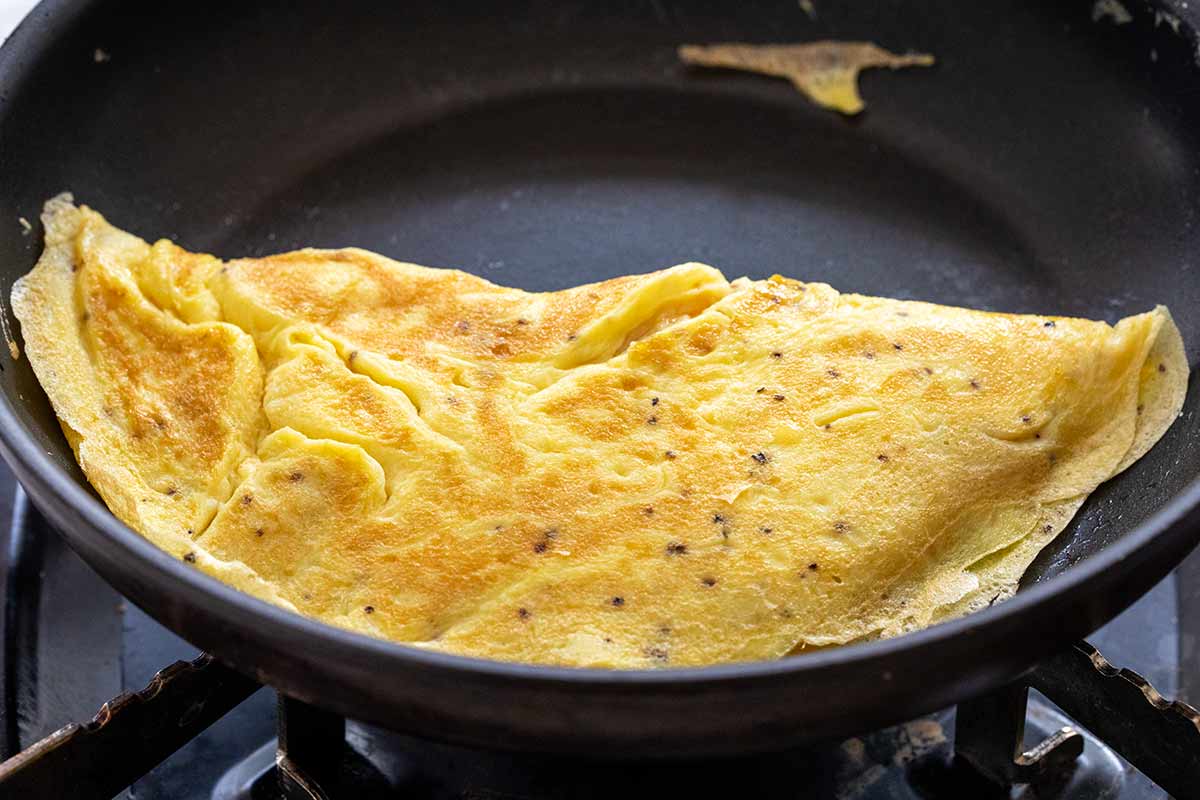
Now you can add fillings like cheese, vegetables, and meat to one half of the egg mixture, then fold it closed. The surface should have a light golden-brown color for a classic American omelet, like those you would get at a diner.
Experimentation Encouraged: If you prefer more of a delicate, creamy texture, with no browning on the surface, try my French omelette recipe. The only difference is cooking at a lower temperature.
Step 5: To Serve
Slide the omelet right onto a plate and serve it hot. Then finish with freshly cracked black pepper and a sprinkle of chopped chives for a fresh pop of flavor. The simple cheese omelet pairs well with crispy home fries and or a classic fruit salad.
Frequently Asked Questions
The trick to making a great omelet comes down to a few simple techniques. Whisk the eggs side to side to fully disperse the yolks into the whites. Add 1 to 2 teaspoons of liquid per egg, such as water or milk, to generate a little steam as the eggs cook and help create a lighter, more tender texture. For fluffy centers and a light golden crust, cook the eggs over medium-high heat to quickly set the proteins and trap steam for fluffy curds, pulling the set edges toward the center, then lower the heat while the surface is still glossy to finish with a creamy interior.
I recommend adding 1 to 2 teaspoons of milk, cream, or water per large egg for a lighter, more tender omelet. The extra moisture turns to steam as it cooks, creating a softer texture, while dairy adds a touch of richness from the fat. That said, you can absolutely skip it. Eggs already contain plenty of water on their own. With gentle heat and proper whisking, you’ll still get a tender, perfect omelet.
A classic omelet typically uses 2 to 3 large eggs. For a smaller, delicate omelette—like a French-style omelette cooked in an 8-inch pan—2 eggs create a thin, tender layer that’s easy to fold. Using 3 eggs makes a slightly thicker omelet that’s still manageable to cook evenly without browning. The key is using just enough eggs to form a soft, cohesive layer that cooks quickly and stays creamy inside.
More Breakfast Recipes



If you tried this American Omelet Recipe, please leave a 🌟 star rating and let me know how it went in the 📝 comments below!
American-style Omelet Recipe

Ingredients
- 2 large eggs
- 2 teaspoons milk, cream, or water, optional
- ⅛ teaspoon kosher salt
- ⅛ teaspoon black pepper
- 1 teaspoon unsalted butter
- 2 tablespoons grated cheddar cheese
- 1 teaspoon chopped chives, optional
Instructions
- Whisk the Eggs – In a medium bowl, whisk together the eggs, milk (if using), and salt. Whisk using a side-to-side motion until uniform in appearance; do not overmix.
- Heat the Butter – In an 8-inch nonstick skillet, heat the butter over medium-low heat until it begins to bubble and foam but does not brown.
- Form the Curds – Add the eggs to the pan, use a spatula to immediately pull the cooked curds from the pan's edges toward the center, allowing the raw egg to run underneath, tilting the pan to help move it to the bottom. Start at the top of the pan and create curds around the entire omelet, about 1 to 1 ½ minutes.
- Fill and Fold – Once the eggs are mostly cooked, similar to soft scrambled eggs with a glossy and slightly wet surface, turn the heat down to low. Sprinkle the cheese on one half of the omelet. Using a spatula, fold the other half on top. The surface should be golden brown.
- To Serve – Slide the omelet onto a plate. Garnish with freshly cracked black pepper and chopped chives.
Notes
- Adding Liquid: This makes the egg softer and more tender but lessens the egg flavor. Dairy also adds extra richness.
- Saltier Eggs: Use ¼ teaspoon of kosher salt.
- Cooking 3 to 4 Eggs: Use a 10-inch skillet and look for the appearance change to determine doneness.
Nutrition Facts
Percent Daily Values are based on a 2000-calorie diet. All nutritional information is based on estimated third-party calculations. Each recipe and nutritional value will vary depending on the brands you use, measuring methods, and portion sizes per household.


Leave a Comment