

Nothing says Fall quite like hearty recipes, but who says satisfying can’t be healthy, too? Skip traditional pasta recipes and choose a nutrient-loaded, creamy butternut squash pasta.
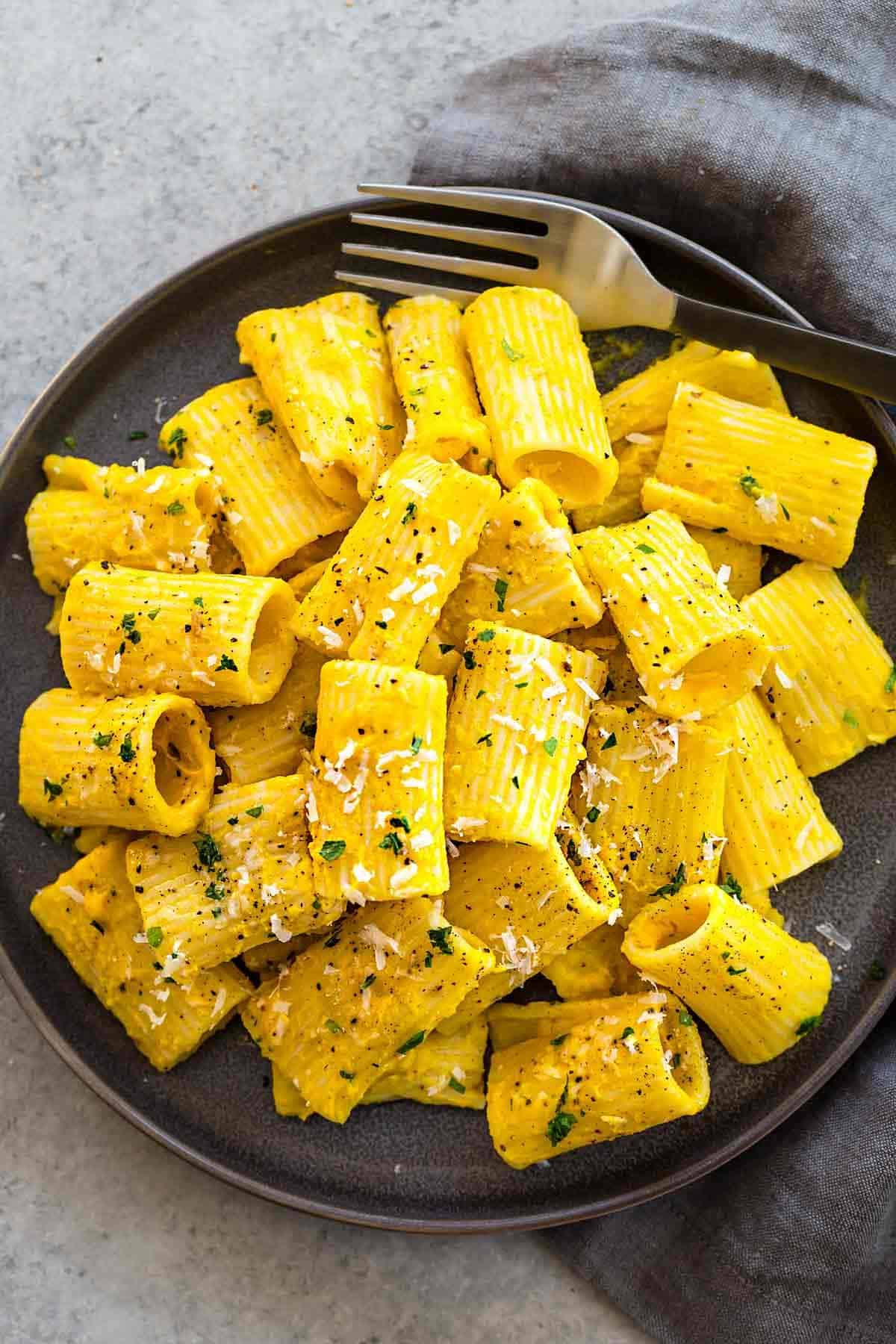
Jessica’s Recipe Science
- Heat and moisture soften the butternut squash and hydrate its natural starches, helping create a naturally creamy texture when blended.
- Blending breaks down the squash’s cell structure, dispersing the hydrated starches and solids into a smooth, cohesive pasta sauce.
- Rigatoni’s ridges and hollow center trap the creamy butternut squash sauce, helping the pasta stand up to the purée’s hearty texture.
Featured Comment 22
“This was my first time eating this sauce, and it will definitely be one of my favorite foods now.”—Jessica H.
Why It Works
Autumn is finally here, and I’m ready for all the cozy flavors that come with it. Butternut squash is always at the top of my fall ingredient list, with its naturally sweet flavor, creamy texture, and beautiful golden color. I especially love pairing it with pasta dishes because the squash transforms into a luxurious sauce that clings beautifully to the noodles.
As the squash cooks, its natural sugars concentrate, bringing out a deeper sweetness and richer flavor. Its fiber and water content also contribute to the sauce’s creamy texture while adding volume, making the pasta feel hearty and satisfying. For me, this is the ultimate kind of comfort food made with simple ingredients: a warm, creamy sauce, plenty of savory Parmesan, and the seasonal goodness of butternut squash in every bite.
Jump To a Section
Ingredients You’ll Need
- Squash: Adding butternut squash gives the sauce a naturally creamy texture, subtle sweetness, and rich golden color while adding fiber and nutrients. I dice it up to cook faster.
- Pasta: Rigatoni has proved to be the perfect pasta to use as it allows for plenty of surface area for the sauce to “catch.” Just make sure you don’t rinse the pasta after cooking because you’ll wash off the starch required to make the sauce stick!
- Alliums: Sauté minced garlic and shallots in extra-virgin olive oil to add savory aromatics and a hint of sweetness to the sauce.
- Milk: I add milk to thin the puree while still adding richness.
- Seasoning: Kosher salt and black pepper enhance the squash’s neutral flavor.
- Cheese: Nutty, aged Parmesan adds umami and stickiness to the sauce, helping it coat the pasta.
- Herbs: Garnish the pasta with freshly chopped parsley.
See the recipe card below for all ingredients and measurements (US and metric).
Ingredient Substitutions
This butternut squash pasta recipe is easy to customize! Try these tasty options:
- Squash Substitutes: You can use other types of squash, like kabocha, acorn squash, pumpkin, or honeynut squash. Try my pumpkin pasta; it’s a great fall recipe.
- Pasta Swaps: Try other types of pasta, but I’ve found that the sauce clings best to tube-shaped noodles like cavatappi, penne, rotelli, or ravioli.
- Cheese Options: Use other dry-aged cheese like Parmigiano Reggiano or Pecorino Romano.
- Milk Substitutes: Add heavy cream or canned coconut milk for a richer consistency. Use dairy-free options like almond milk or cashew milk. A few tablespoons of melted butter also add body and flavor.
- Flavoring: Instead of shallots, sauté finely diced yellow onion in the pan.
- Herbs: One of my genius readers suggested sautéing fresh sage with the onions and garlic to add more flavor to the sauce. Rosemary, thyme, or oregano works well too. Garnish with sliced basil or tarragon.
How to Make Butternut Squash Pasta
Step 1: Cook the Pasta
Cooking pasta in rapidly boiling water helps it cook evenly, while the salt seasons it from within. Cooking to al dente leaves the center slightly firm, which gives the rigatoni structure and prevents it from becoming mushy when tossed with the warm butternut squash sauce.
Tip for Success: Cooking the pasta while making the sauce also helps both components finish at the same time, so the pasta can be coated while it’s still hot and ready to absorb the sauce.

Step 2: Cook the Squash
Slice off the top and bottom ends, then cut the squash in half lengthwise. Peel both pieces with a vegetable peeler or paring knife, then scoop out the seeds and stringy flesh from the base, just as you would with a pumpkin. If you’d like, collect and clean the seeds, then oil, salt, and roast them later to make a snack. Finally, cut the squash into 1/2-inch cubes for the sauce.
Using my guide on how to cook butternut squash, steam it gently with moist heat, softening it without adding much water. This helps preserve its natural sweetness and creates a smooth, creamy base for the pasta sauce. Cook until fork-tender so the squash blends easily into a silky purée. If you don’t have a steamer, you can boil the diced butternut squash.
Experimentation Encouraged: For a deeper, more caramelized flavor, you can make roasted whole butternut squash in the oven instead. The dry heat promotes browning and concentrates the squash’s natural sugars, creating richer, more complex flavor.
My local grocery store sells butternut squash already peeled and diced, which is a convenient shortcut. If you’re starting with a whole squash, learning how to cut butternut squash is simple!
Step 3: Cook the Aromatics
Sautéing the garlic and shallots in olive oil gently softens their cell structure and releases flavorful aromatic compounds into the oil. Cooking them until fragrant develops their flavor while keeping the garlic from browning too much, which can make it bitter. Adding the aromatics to the blender allows those flavors to become part of the smooth butternut squash sauce.
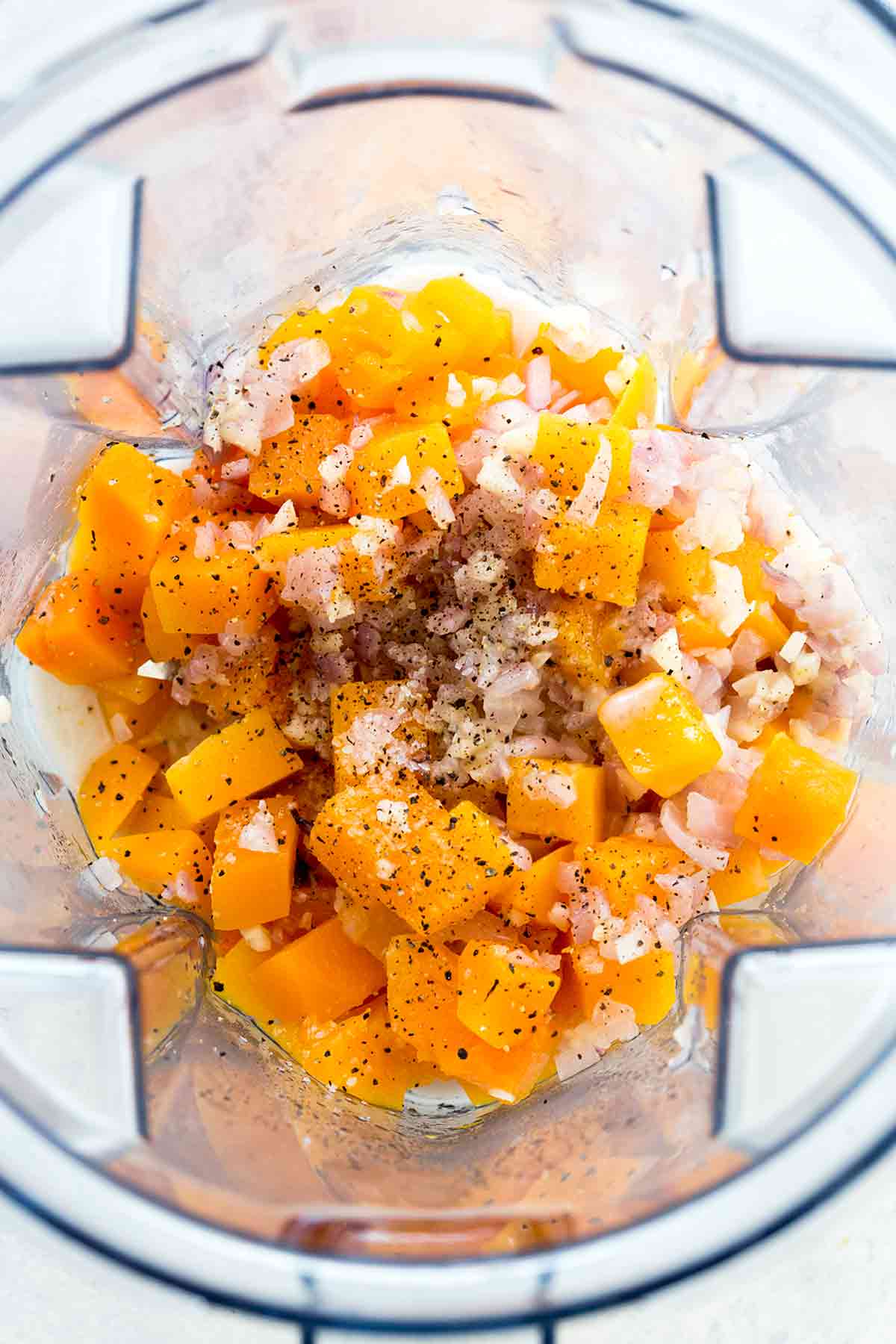
Step 4: Purée the Sauce
The secret to this creamy butternut squash sauce is balancing the squash’s natural starches with a little fat. Milk, cashew milk, or almond milk can all work beautifully, depending on your preference. When blended with the cooked squash and aromatics, the fat helps create a smoother, more cohesive texture while adding richness and rounding out the squash’s natural sweetness.
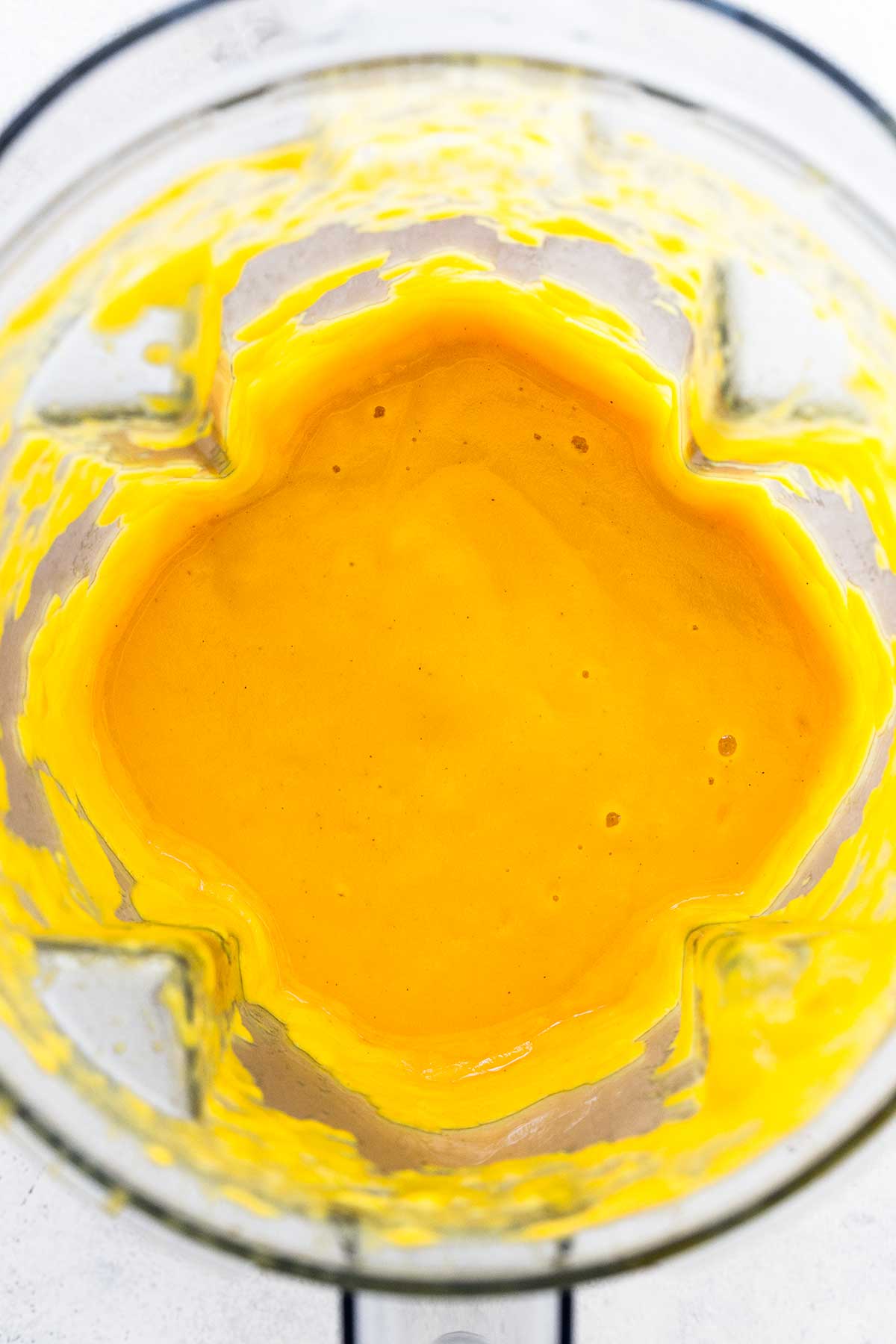
This gives the sauce a silky consistency that coats the rigatoni rather than feeling heavy, letting the savory flavors of the garlic, shallots, and Parmesan shine through. I use a high-speed blender for the silkiest consistency, but an immersion blender works too; the sauce won’t be as smooth.
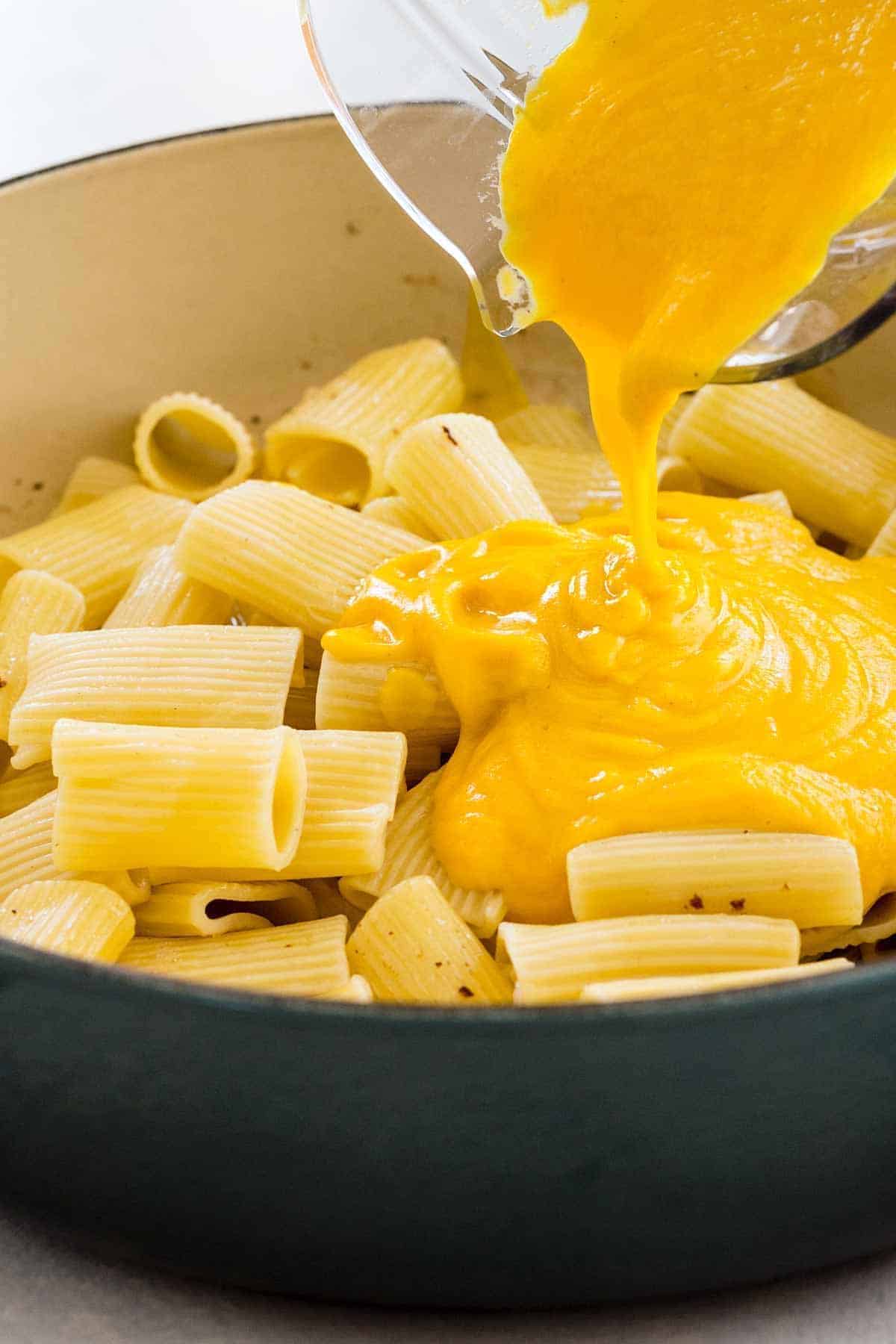
Step 5: Combine the Pasta and Sauce
Toss the hot rigatoni with the butternut squash purée and Parmesan cheese until evenly coated. The pasta’s warmth helps melt the Parmesan, while the cheese’s proteins and fat blend into the squash purée to create a richer, more cohesive sauce. The ridges and hollow center of the rigatoni also give the sauce plenty of surface area to cling to, so each bite gets an even coating.
Pro Tip: If you’d like a thinner sauce, add some pasta water, hot vegetable stock, or vegetable broth.
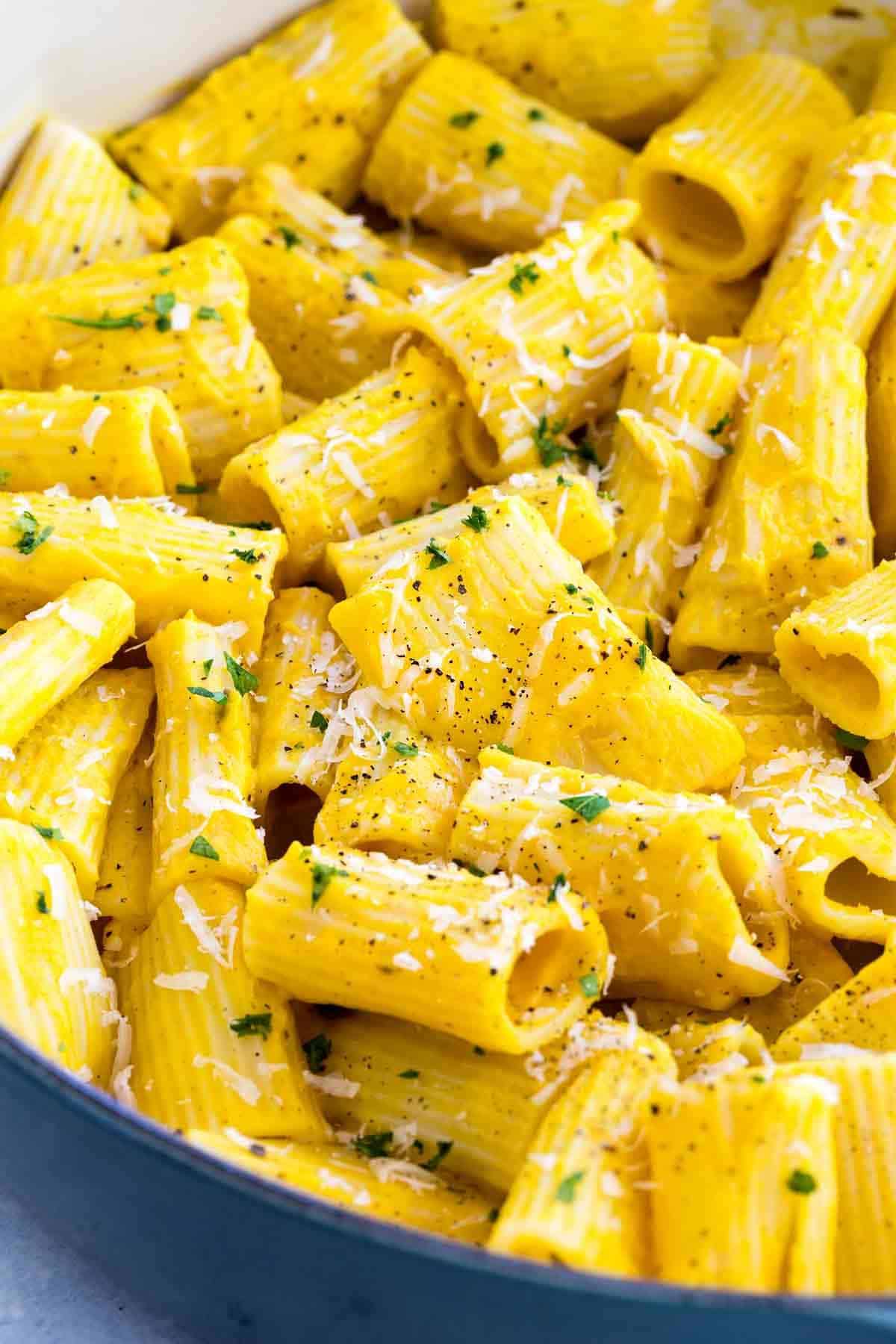
Step 6: To Serve
I break out the cheese grater and generously sprinkle more Parmesan cheese on top of the pasta, along with fresh parsley. I love recipes like this that make vegetables the star while still feeling incredibly comforting and satisfying. It’s a meal I’m happy to serve my family because it feels cozy, yet it’s made with wholesome ingredients that make every bite count.
The leftovers store well in the fridge and taste even better the next day. If you like this dish, try my butternut squash soup or butternut squash risotto, too!
Frequently Asked Questions
Butternut squash pasta sauce has a naturally sweet, earthy flavor with a rich, creamy texture. In this recipe, garlic, shallots, milk, and Parmesan add savory depth that balances the squash’s sweetness, while a touch of black pepper adds subtle warmth. The result is a velvety sauce that feels comforting and indulgent without being heavy.
Oftentimes, sauces require an additional starch like flour or cornstarch to help add thickness and viscosity; think macaroni and cheese. However, in this pasta recipe, the natural starches in butternut squash release when steamed and then pureed, creating a creamy mouthfeel that effortlessly coats the noodles in a luscious sauce. The starches swell in heat and moisture, while blending breaks down the squash cells, creating suspended particles in the sauce. Chemical and physical factors work together to create a rich, vegetable-based pasta sauce.
Yes, you can freeze butternut squash pasta sauce! Let it cool completely, then transfer it to an airtight container or freezer-safe bag and freeze for up to 3 months. Thaw overnight in the refrigerator, then gently reheat over low to medium heat, whisking until smooth. If the sauce separates slightly, which can happen when freezing, add a splash of milk or pasta water to restore its creamy consistency. For the best texture, freeze the sauce separately from the pasta and cook fresh rigatoni when ready to serve.
Serve This With


If you tried this Creamy Butternut Squash Pasta Recipe, please leave a 🌟 star rating and let me know how it went in the 📝 comments below!
Creamy Butternut Squash Pasta

Ingredients
- 4 quarts water
- 1 tablespoon kosher salt, for cooking pasta
- 8 ounces rigatoni
- 3 cups butternut squash, ½" cubes
- 2 tablespoons extra-virgin olive oil
- 1 tablespoon minced garlic
- ¼ cup minced shallots
- 6 tablespoons milk, unsweetened cashew, or almond milk
- ½ teaspoon kosher salt
- ⅛ teaspoon black pepper
- ¼ cup freshly grated parmesan cheese
- 1 tablespoon chopped parsley
Instructions
- Cook the Pasta – In a large pot, bring water and 1 tablespoon of salt to a boil. Add the pasta to the boiling water and cook, stirring occasionally to prevent sticking, until al dente according to the package instructions. Drain the pasta and set aside. For the best timing, cook the pasta while making the sauce so they finish at about the same time.
- Cook the Squash – Add enough water to a medium pot so it sits below the steamer basket. Place the basket in the pot and add the butternut squash. Cover and bring the water to a boil over high heat. Once steam builds, cook the squash until fork-tender, about 8 to 10 minutes. Carefully transfer the cooked squash to a blender.
- Cook the Aromatics – Heat a large sauté pan over medium heat. Add olive oil; once hot, add the garlic and shallots and sauté until fragrant and tender, about 2 minutes. Add to the blender.
- Purée the Sauce – Add milk, ½ teaspoon salt, and black pepper to the blender. Purée the mixture until smooth. Taste and add more milk, salt, and pepper as desired.
- Combine the Pasta and Sauce – In a large bowl or sauté pan, combine the cooked pasta, butternut squash purée, and Parmesan cheese. Toss until the pasta is evenly coated and the cheese is incorporated. If needed, gently reheat over low heat until warmed through.
- To Serve – Serve pasta topped with more freshly grated Parmesan cheese and parsley.
Notes
- Storing: Cool the pasta, store it in an airtight container, and refrigerate for up to 5 days.
- Reheating: If needed, add some water to the pasta to loosen the sauce. Microwave in 15- to 30-second increments, stirring in between, until hot.
Nutrition Facts
Percent Daily Values are based on a 2000-calorie diet. All nutritional information is based on estimated third-party calculations. Each recipe and nutritional value will vary depending on the brands you use, measuring methods, and portion sizes per household.




Corinne says
Could I use oat milk?
Jessica Gavin says
Yes, oat milk would work great in the sauce!
Jessica Hackman says
This was my first time eating this sauce and it will definitely be one of my favorite foods now.
Jessica Gavin says
Thank you for trying the recipe, Jessica! Happy to hear that you enjoyed it!
Kristy says
Can you freeze this sauce?
Jessica Gavin says
Yes, you can freeze the butternut squash sauce. However, do not bring to a boil. Defrost and reheat over medium-low heat until just warm. This will help prevent the milk from curdling.
Kristy says
Fab – thank you so much! x
Mary M says
This recipe was wonderful thank you so much!
Andrew S says
This was a little bland. If I were to make it again, I would probably add a bit more salt and more cheese. When sauteing the garlic and shallots, I would recommend adding some sage as well.
Dianne K says
The sage is a great suggestion.
Cecilia carreras says
Can you roast the squash instead of steaming?
Jessica Gavin says
Yes! Roasting the squash will add a lot of wonderful flavor to the pasta.
Ali says
1/4 inch cubes? Girl my tendonitis and dull knives can’t handle that lol I’ll just do bigger chunks and steam for longer.
Jessica Gavin says
Great tip Ali! Larger pieces of butternut squash also work, as long as it’s cooked until tender.
geri herlihy says
I just roast the whole squash in the oven for an hour. Let it cool and you can cut it
so much easier!
Beth says
Hi Jessica,
These steaming directions aren’t very clear. How much water am I supposed to put in the pot? Do I add the water and the squash all at once?
Excited to try this!
Jessica Gavin says
Hi Beth! I made the instructions more detailed about the steaming step. Let me know if it makes more sense!
wendy comar says
I made this amazing dish. Then the second time,I made it more savory. I added sauteed pancetta and topped with a mix of panko and chopped Diamond rosemary sea salt almonds. Very yummy for my sister’s harvest party.
Morgan Brown says
I forgot to grab milk, could I use 6 tbs plain greek yogurt instead?
Jessica Gavin says
Hi Morgan- Is the yogurt on the tangy side? I would gradually add a tablespoon at a time to ensure it’s not too sour. If you need to thin the sauce add stock/broth or some water.
Karen says
this sounds nummy! If you already have pureed squash, how much should you use in the recipe?
Jessica Gavin says
Hi Karen! I would use 2 1/2 to 3 cups of puree. Thanks!