
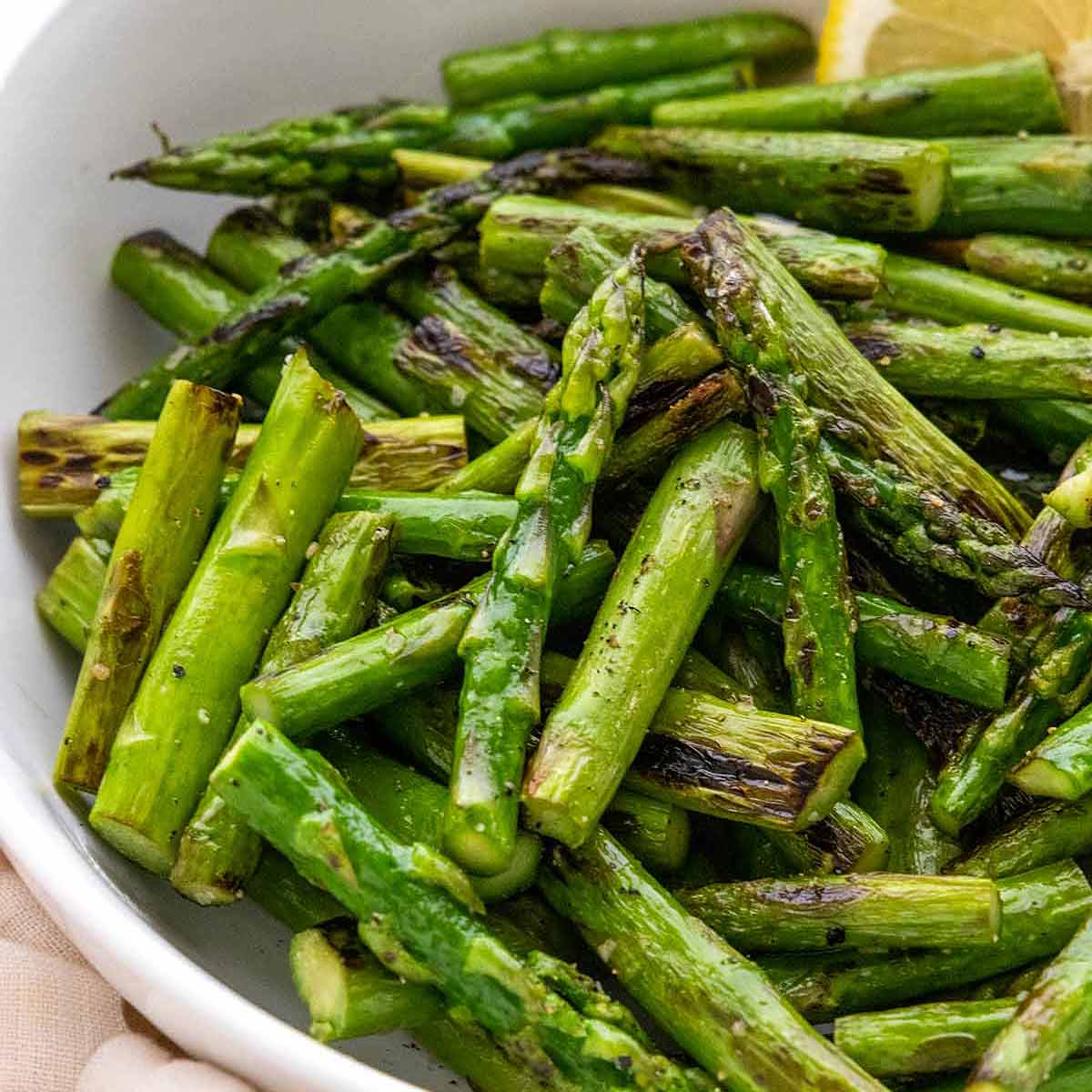
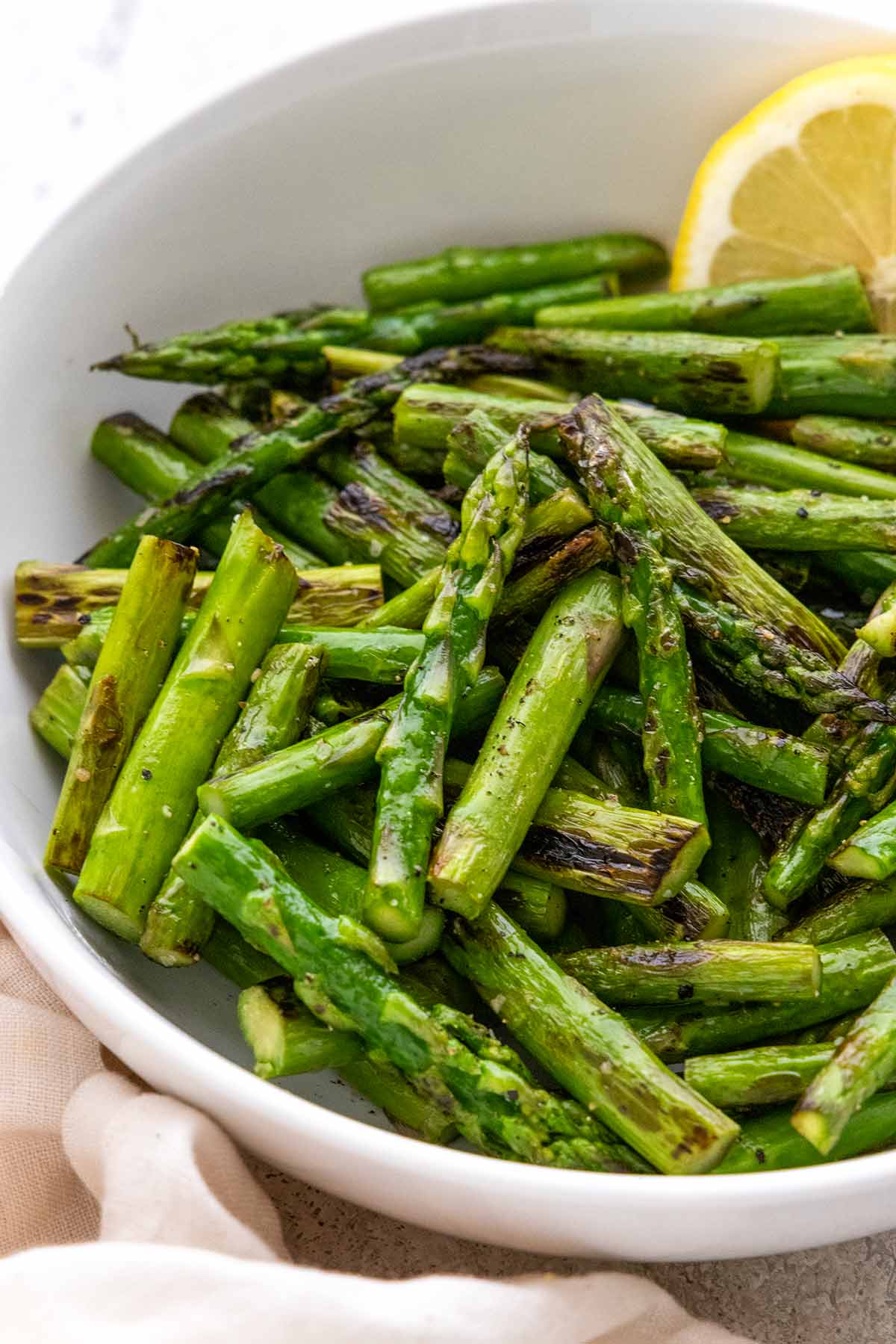
This sautéed asparagus recipe is an easy, flavorful side dish ready in under 15 minutes. The dry heat quickly tenderizes the vegetables while promoting surface browning for deeper flavor.
Jessica’s Recipe Science
- Drying asparagus after rinsing removes surface water, allowing browning reactions instead of steaming.
- Cutting spears into smaller pieces increases surface area, speeding moisture evaporation and enhancing caramelization.
- Medium-high heat with oil boosts heat transfer and evaporation, quickly softening and browning the spears.
Why It Works
Whenever I need a quick side, I make sautéed asparagus on the stove. Cooking tender asparagus in a hot pan with olive oil brings out flavor while preserving the stalk’s natural sweetness and structure. It’s a perfect recipe for busy weeknights when you want something healthy and packed with flavor.
Sautéing works by controlling moisture, heat, and direct contact with the pan. This helps the asparagus cook evenly while developing a light brown color. When you manage these factors, you’ll consistently get tender-crisp asparagus with a balanced bite. You won’t have any mushy or undercooked spears with this easy recipe.
Jump To a Section
Ingredients You’ll Need
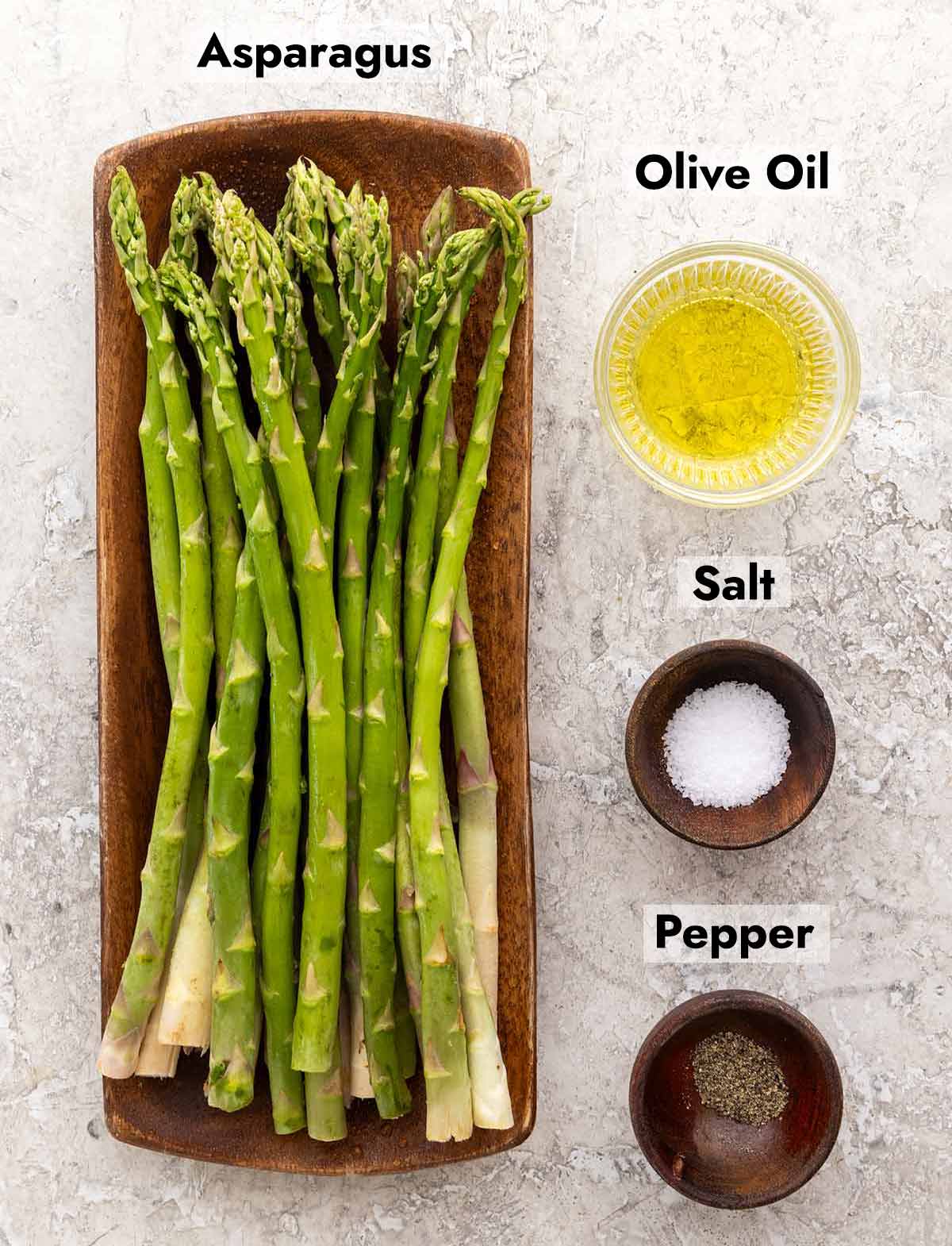
- Asparagus: Fresh asparagus is the star of this asparagus recipe, with a naturally sweet, grassy flavor. Asparagus season is in spring, peaking between February and June. Look for firm stalks with tight tips for the best texture.
- Cooking Fat: Olive oil improves heat transfer and raises the smoke point, promoting even browning, while butter adds richness and depth of flavor.
- Seasoning: Kosher salt and black pepper enhance the asparagus’s flavor. Salt draws out a bit of surface moisture to aid browning, while pepper adds subtle heat and depth.
See the recipe card below for all ingredients and measurements (US and metric).
Ingredient Substitutions
This sauteed asparagus recipe is easy to customize! Try these delicious variations:
- Cooking Fat Alternatives: Use avocado oil, clarified butter, ghee, or a plant-based butter substitute like margarine or coconut oil.
- Alliums: Sauté diced onions until translucent, then add the asparagus. Add minced garlic during the last minute of sauteing for aromatic depth.
- Citrus: A squeeze of fresh lemon juice and zest brightens the finished dish.
- Cheese: Sprinkle freshly grated Parmesan cheese or pecorino on top for a savory, umami boost.
- Spices: Add red pepper flakes, smoked paprika, garlic powder, or onion powder for extra flavor.
- Herbs: Add dried Italian seasoning for a bold herbaceous note. Finish with chopped parsley, fill, basil, or tarragon for freshness and color.
- Flavor Boosters: Cook bacon until crisp, then sauté asparagus for a smoky side dish. Add crunch with toasted bread crumbs, pine nuts, almonds, walnuts, or pecans.
How to Make Sauteed Asparagus
Step 1: Prepare the Asparagus
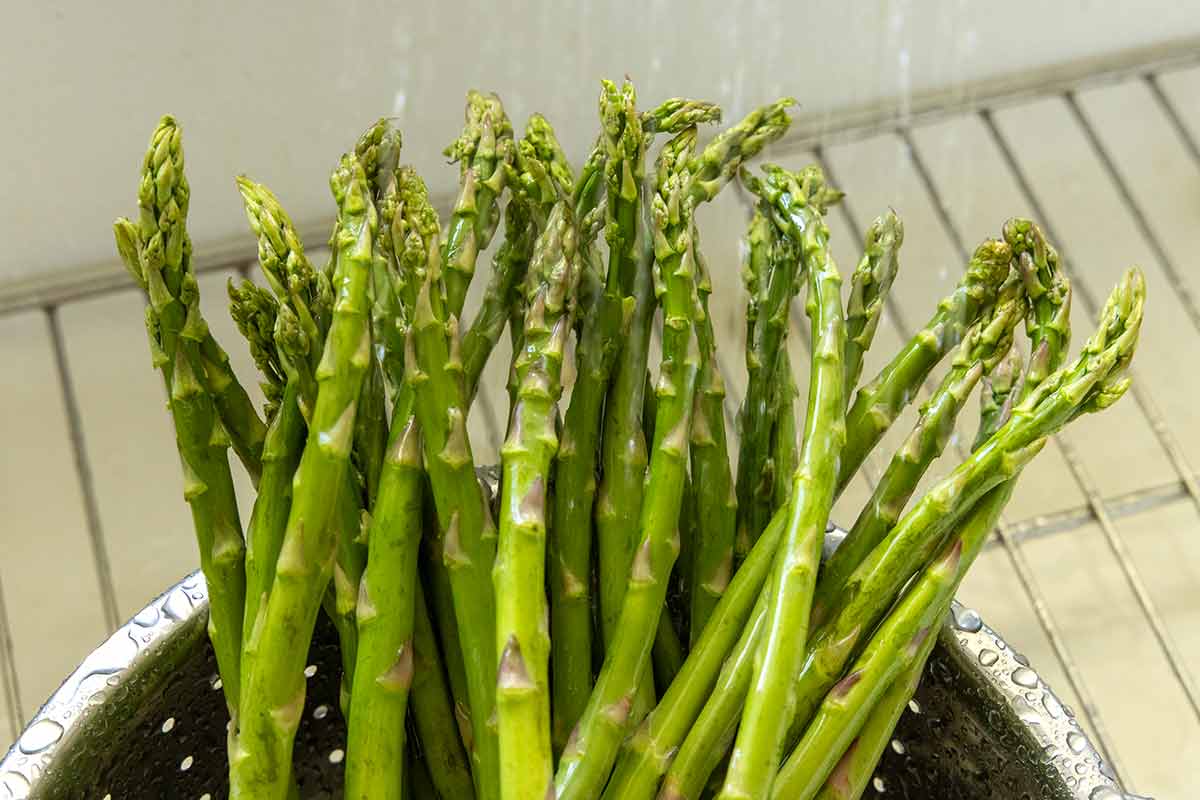
Rinsing the stalks with cool water removes debris, while drying thoroughly prevents excess moisture on the surface.
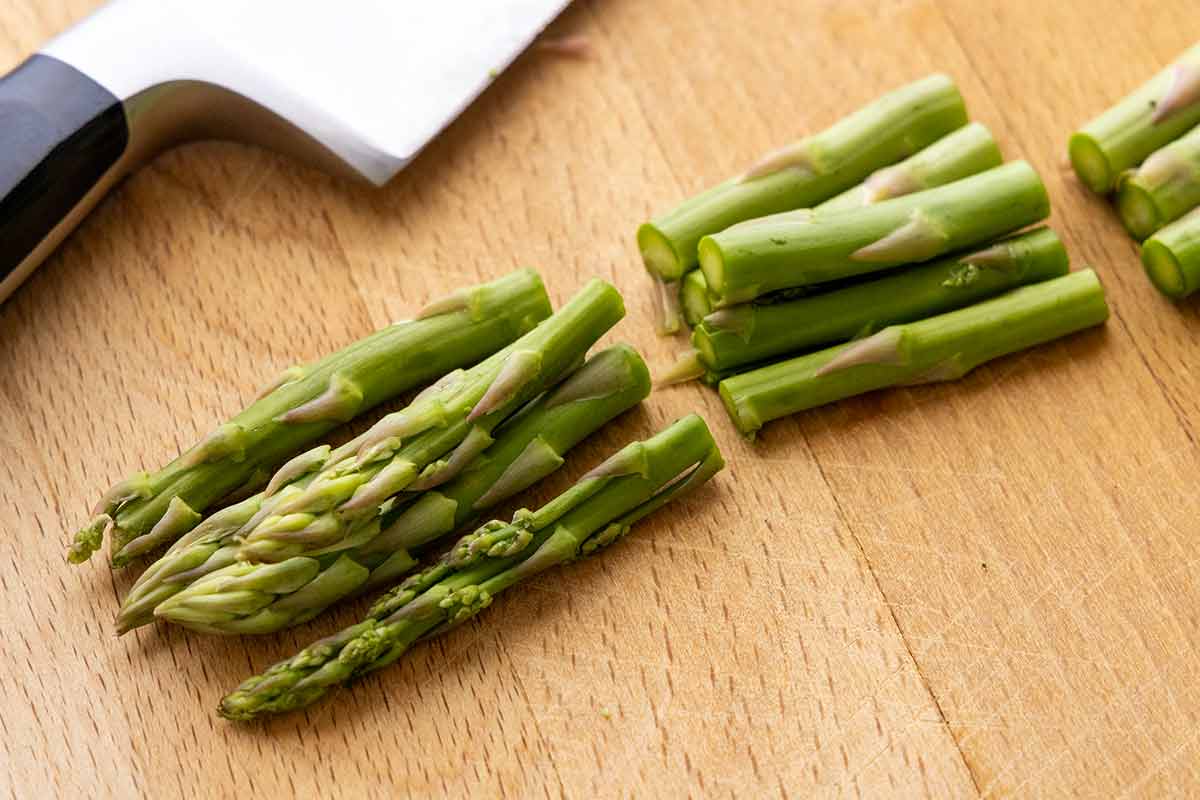
Trimming the woody ends removes lignin-rich fibers. Cutting the spears into smaller pieces increases surface area for faster, more even cooking.
Step 2: Sauté the Asparagus
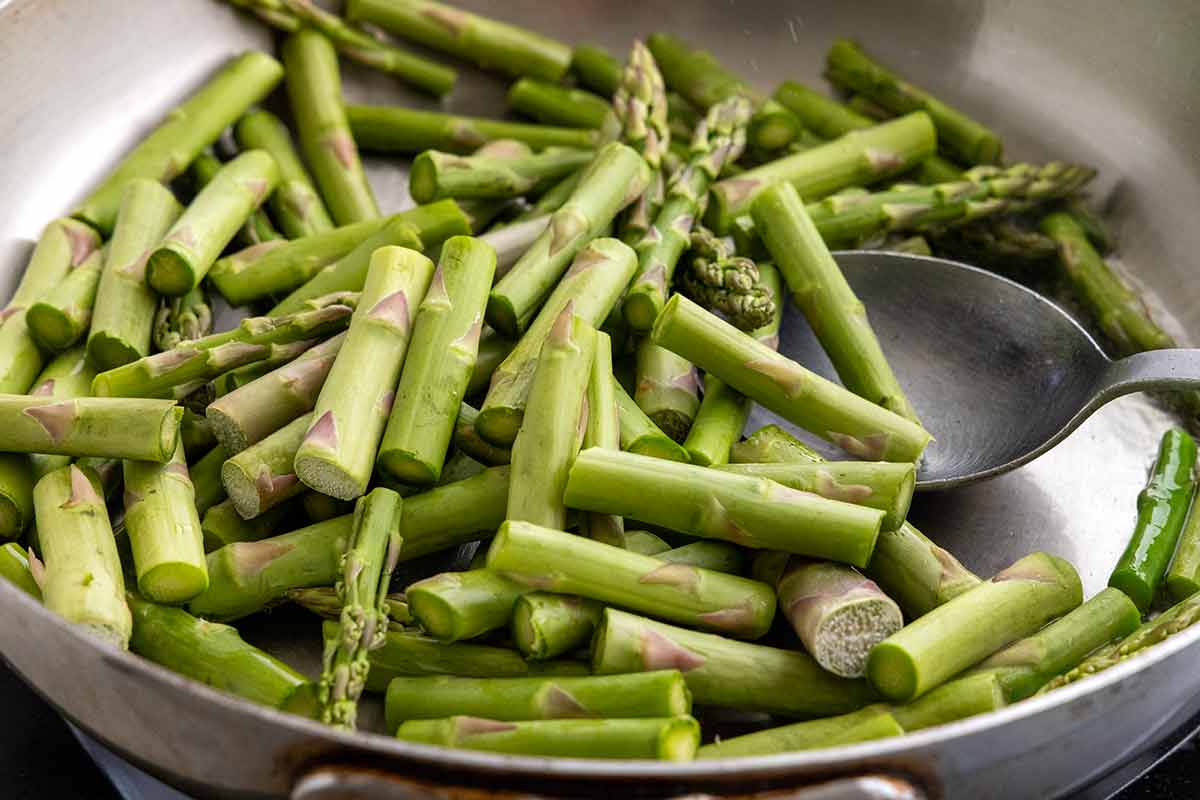
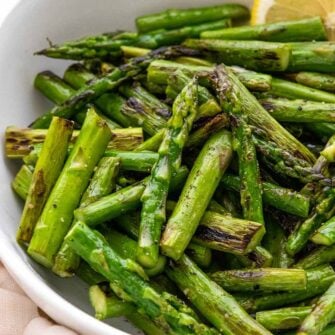
Preheating the pan over medium-high heat ensures immediate contact with a hot surface, which promotes browning in a short cooking time. Cooking the asparagus in hot olive oil for 3 to 5 minutes allows the cell walls to soften while preserving structure, resulting in a tender-crisp texture.
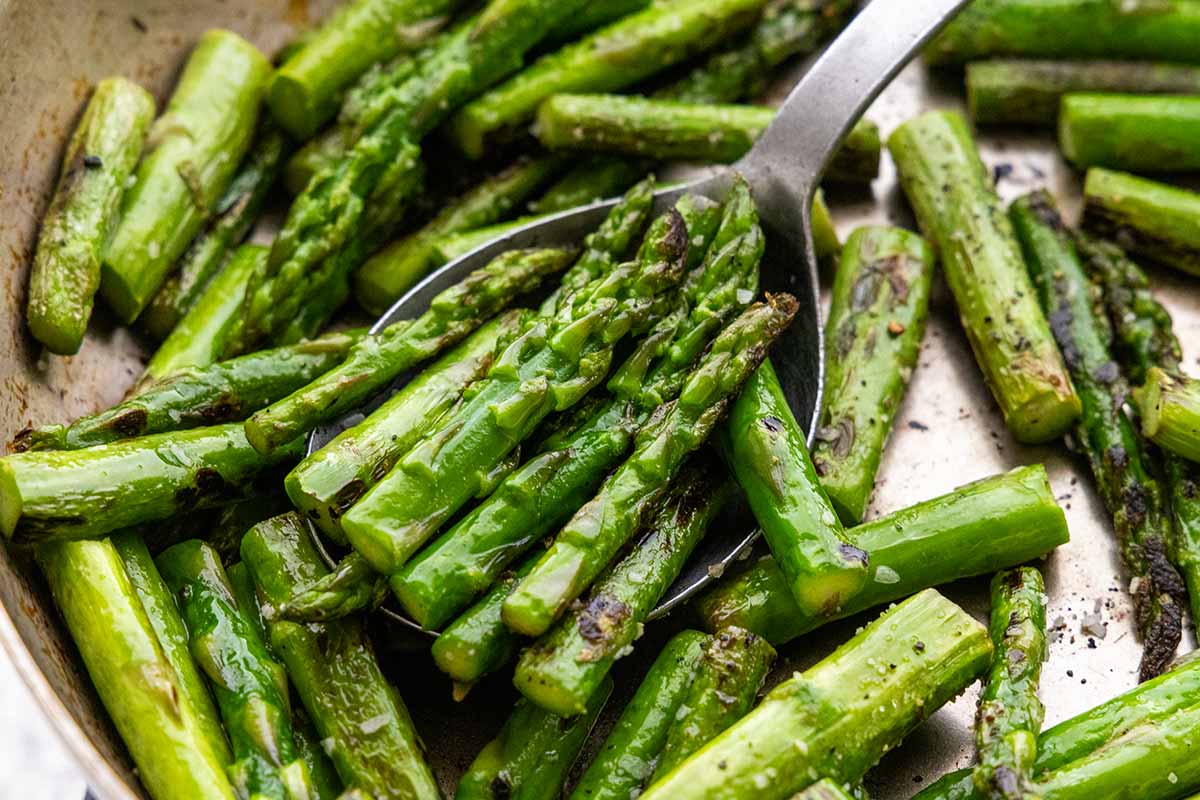
Stirring occasionally ensures even heat exposure while preventing burning. I add the salt and pepper right before serving to enhance the taste.
Frequently Asked Questions
The best way to sauté asparagus is in a hot pan with a little oil and dry, trimmed spears. Cook over medium-high heat for 3 to 5 minutes, stirring occasionally, until tender-crisp and lightly browned, then season just before serving. Because high heat and a dry surface quickly evaporate moisture, the asparagus browns instead of steaming. That gives you better flavor from light caramelization while keeping the stalks tender.
Asparagus is about 93% water, so overcooking breaks down the cell walls and releases too much moisture, making it soggy. For the best texture, stop cooking when the spears are fork-tender, still slightly crisp, bright green, and lightly browned.
Yes, you can sauté long asparagus spears—arrange them in a single layer and turn occasionally so they brown evenly. Since whole spears have less cut surface area, they release moisture more slowly and may take slightly longer to cook, but still turn out tender-crisp. For more even cooking, try pan-roasting: cover the pan briefly to steam the interior, then uncover to evaporate moisture and brown the surface.
More Asparagus Recipes

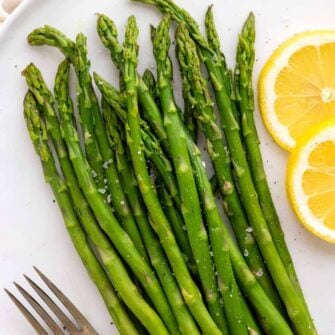
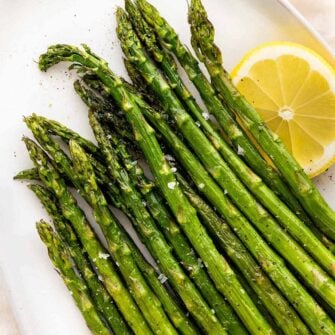
If you tried this Sauteed Asparagus Recipe, please leave a 🌟 star rating and let me know how it went in the 📝 comments below!
Sauteed Asparagus
Ingredients
- 1 pound asparagus
- 1 tablespoon olive oil
- ¼ teaspoon kosher salt
- ⅛ teaspoon black pepper
Instructions
- Prepare the Asparagus – Rinse the asparagus under cool water, then pat dry with a towel to remove excess surface moisture. Using a knife, trim off the tough, fibrous ends, about 1 to 2 inches from the bottom. Cut the trimmed spears into 2-inch long pieces.
- Saute – Heat a large skillet over medium-high heat. Once hot, add the olive oil. Add the asparagus pieces and saute for 3 to 5 minutes, or until tender and lightly browned. Season with salt and pepper.
Recipe Video

Notes
- Storing: Store in an airtight container in the fridge for 3 to 5 days.
- Reheating: Microwave in 15 to 30-second increments until hot.
Nutrition Facts
Percent Daily Values are based on a 2000-calorie diet. All nutritional information is based on estimated third-party calculations. Each recipe and nutritional value will vary depending on the brands you use, measuring methods, and portion sizes per household.


Leave a Comment