
Learn how to make this soft and tender naan recipe at home, just like your favorite Indian restaurant. It’s a simple yeast-leavened flatbread made with flour, yogurt, egg, and oil. After a quick 1-hour rise, the dough is ready to roll and cook in a hot skillet.

Jessica’s Recipe Science
- Properly activating the yeast ensures strong fermentation, which produces carbon dioxide that gives the naan its soft, airy structure.
- Preheating the pan promotes rapid steam expansion in the risen dough, forming the signature bubbles and light texture.
- Cooking over medium heat in a heavy pan, like a cast-iron skillet, helps set the gluten structure while developing golden, flavorful blisters.
Featured Comment 13
“This naan bread was fantastic! I’ve been craving Indian food so I made a meal and served this naan with it. The garlic & butter addition make this restaurant quality!”—Christine
Why It Works
When a basket of hot, pillowy naan bread hits the table, it usually disappears fast. This popular yeast-leavened flatbread is a staple in Indian cuisine. Its soft, chewy texture and pliable fold make it perfect for dipping into fragrant curries and sauces. like my chicken tikka masala. You’ll be delighted to know that the recipe is super easy to make from scratch!
Naan is made from an enriched dough composed of wheat flour, plain yogurt, water, egg, vegetable oil, and yeast. It’s traditionally cooked in a blazing hot tandoor oven. However, we can closely mimic that environment with a preheated skillet on the stovetop. Once you let the active yeast ferment and elevate the soft dough, you’ll have fresh pieces in no time.
Jump To a Section
Ingredients You’ll Need
- Yeast: Use active dry yeast to help create air pockets in the bread for lightness.
- Flour: All-purpose flour has 10 to 13% protein, which helps with gluten formation and gives a flexible, chewy consistency.
- Egg yolks: They enrich the dough with more fat, making it tender. Avoid the egg whites to prevent the bread from becoming tough.
- Yogurt: Whole milk plain yogurt tenderizes the dough, adds richness and moisture, supports leavening, and gives naan its signature soft texture and subtle tang.
- Fat: Vegetable oil makes the dough easier to roll out and shape.
- Sugar: Sugar provides food for the yeast to eat and ferment, developing carbon dioxide as a byproduct for the rise.
- Salt: Adds a savory flavor and helps to control fermentation.
- Butter: Butter or melted ghee is brushed on the Indian-style bread right before serving for richness.
See the recipe card below for all ingredients and measurements (US and metric).
Ingredient Substitutions
This easy naan bread recipe is easy to customize! Try these delicious options:
- Substituting with Instant Yeast (Rapid-Rise Yeast): Use the same amount as active dry yeast and mix it directly with the flour, sugar, and salt. Heat the water to 120–130ºF (49–54ºC), then add it with the yogurt, oil, and egg yolk to the dry ingredients and stir to combine. Knead in the remaining flour until smooth, then follow the recipe as written. The rise may be faster, so check after 30 minutes for the first rise and 15 minutes for the second.
- Use a Chemical Leavening Agent: If you don’t have yeast, you can use a chemical leavening agent instead. Add ¼ teaspoon baking powder or ¾ teaspoon baking soda to the dry ingredients, then mix with the wet ingredients and let the dough rest, covered, for 30 minutes.
- Flour Swap: Use other types of flour, like gluten-free or whole wheat, but the texture will be slightly different.
- Yogurt Options: Substitute with Greek yogurt, as long as it contains some fat to help balance out the gluten-forming properties of the flour.
- Fat Swaps: You can use olive oil or another neutral-tasting oil. Use margarine, ghee, or plant-based butter.
- Garlic Naan: In a small microwave-safe bowl, combine the minced garlic and butter, then heat in 15-second intervals on high until the butter is fully melted, about 45 to 60 seconds. Brush the garlic butter over the warm naan and sprinkle with chopped parsley before serving.
- Cheese Naan: After rolling out the dough, place a small handful of shredded mozzarella, cheddar, or processed cheese in the center, fold the edges over to seal, and gently roll it out again.
How to Make Naan Bread
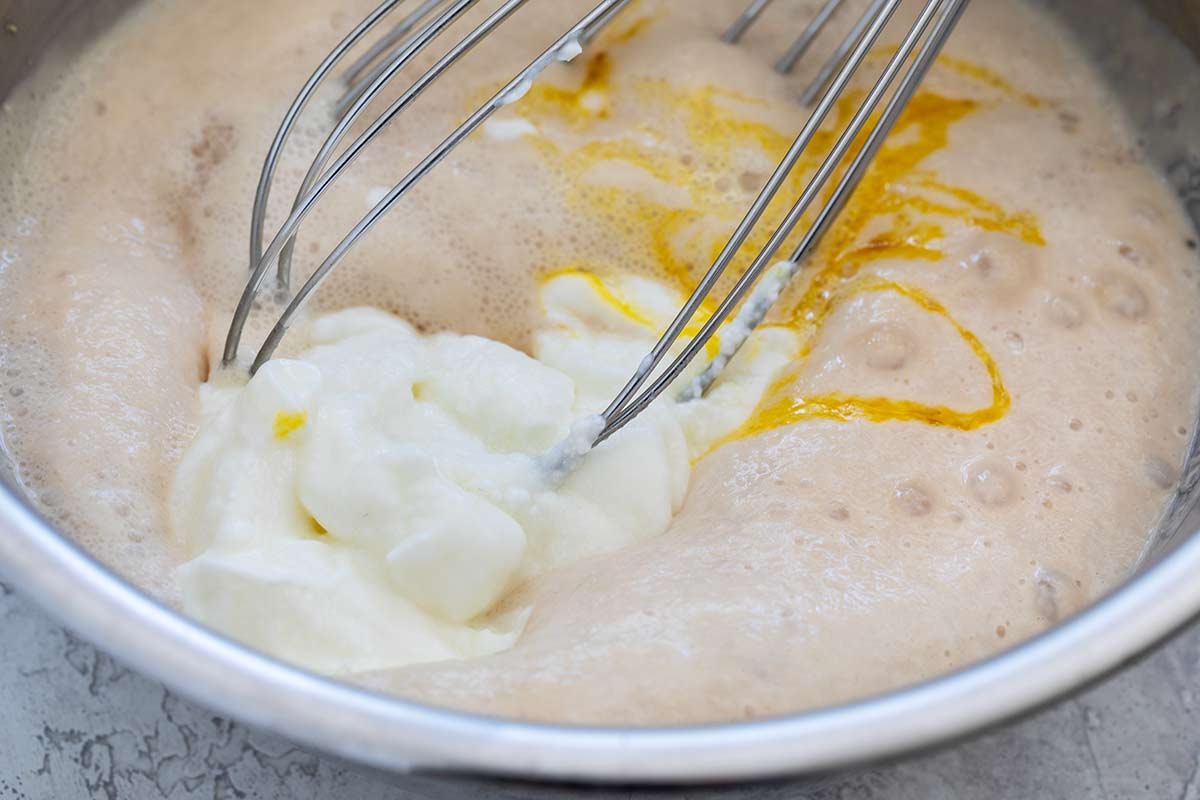
Step 1: Activate the Yeast
I use active dry yeast in this recipe, which needs to be proofed first in warm water between 100 and 110°F (38 and 43°C). Note that yeast is a living organism and can die in temperatures above 138ºF (59ºC). A lukewarm environment ensures that the yeast stays properly hydrated and alive. Once the yeast is active and bubbly, mix it with the egg yolk, oil, and yogurt.
Ingredient Chemistry: The main role of yeast is fermentation, which produces new flavors, and the carbon dioxide formed helps the dough rise.
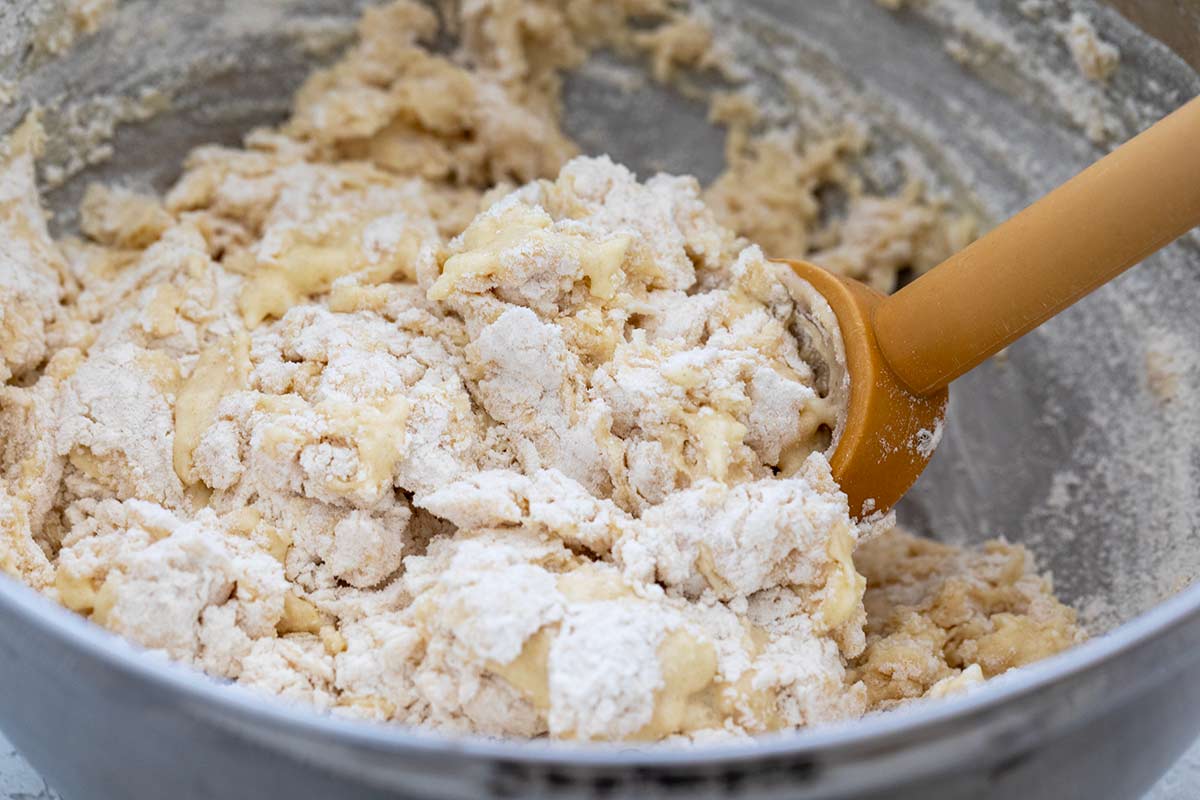
Step 2: Make the Dough
Add the flour to the yeast mixture, stirring with a wooden spoon until a sticky ball forms.
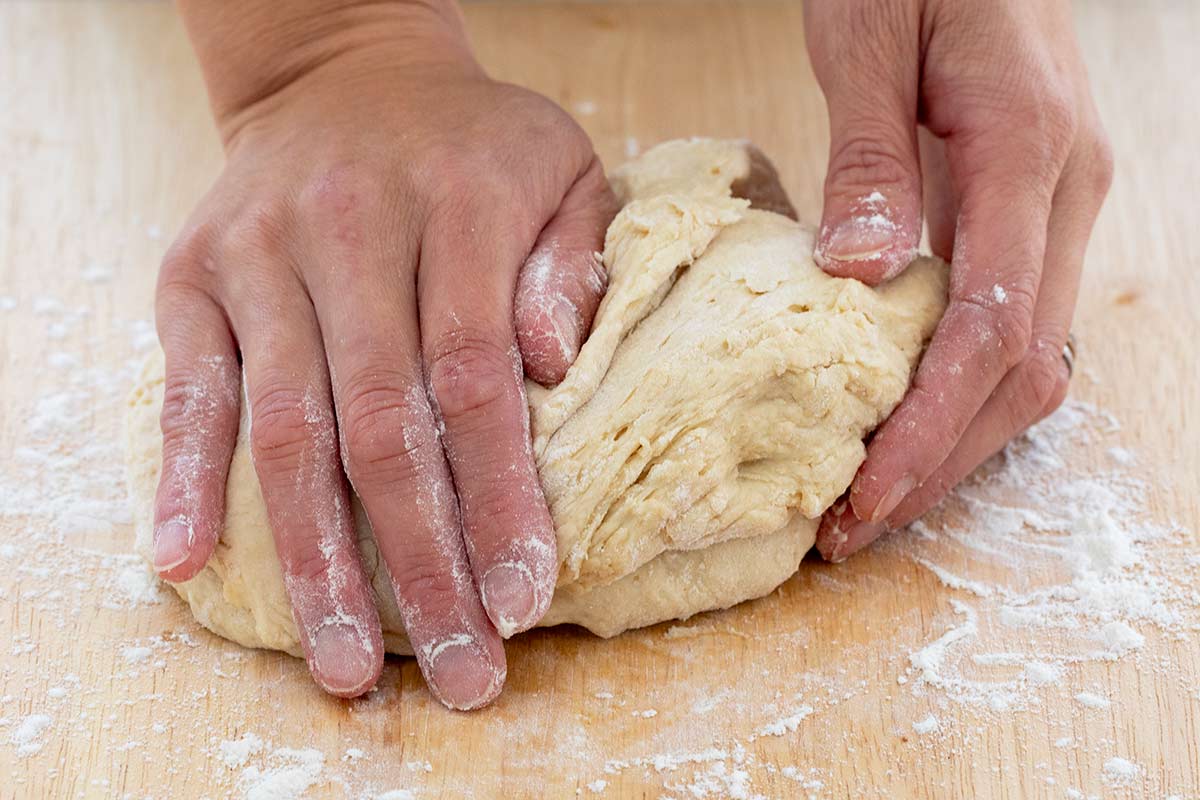
Step 3: Knead the Dough
Kneading the dough strengthens the gluten network, improving structure and chew. Adding flour gradually prevents over-drying; too much flour limits expansion, creating dense naan instead of soft, pillowy bread.
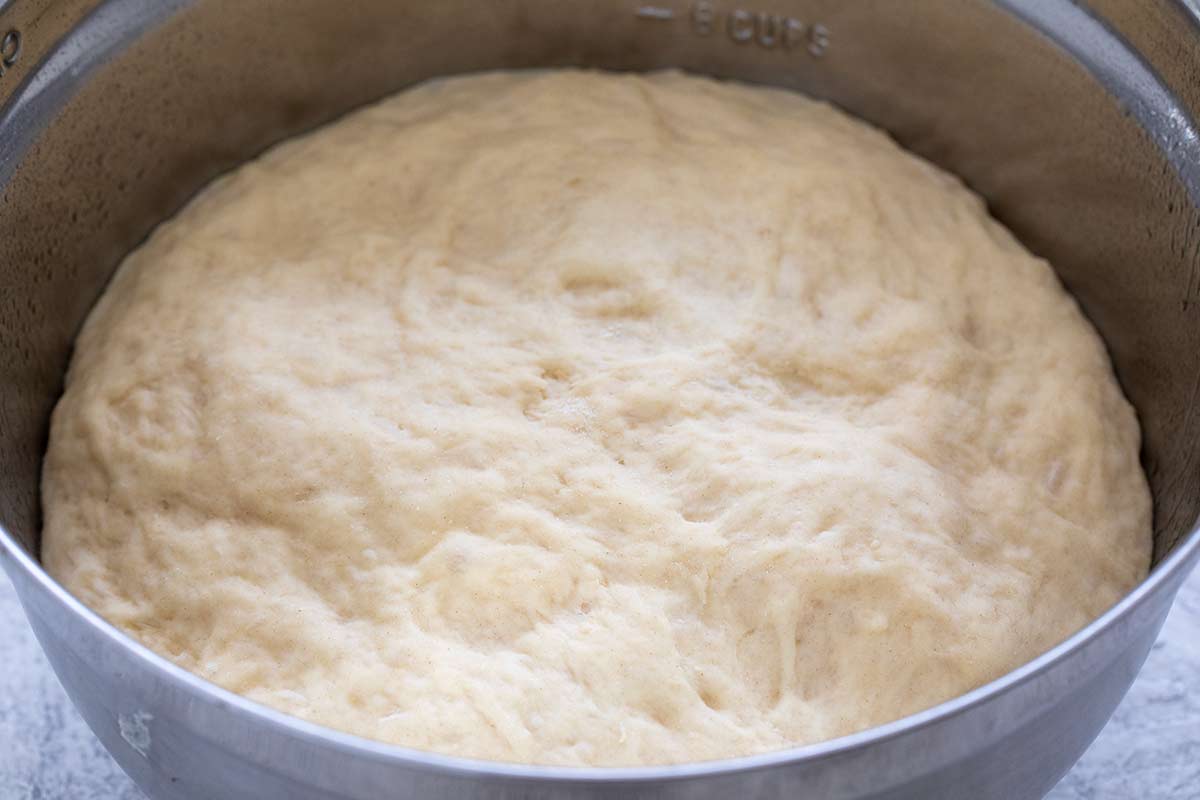
Step 4: Let the Dough Rise
Add the dough to a greased bowl, then cover it with a damp towel. Let it sit at room temperature in a warm area until it doubles in size. This process takes about an hour.
During fermentation, yeast continues producing carbon dioxide and organic acids. The gas stretches the gluten network, doubling the dough’s size and developing flavor. A warm environment (75–85°F) accelerates yeast activity without stressing it.
Pro Tip: I recommend using an oven-proof box to ensure ideal conditions.
Step 5: Portion and Shape the Dough
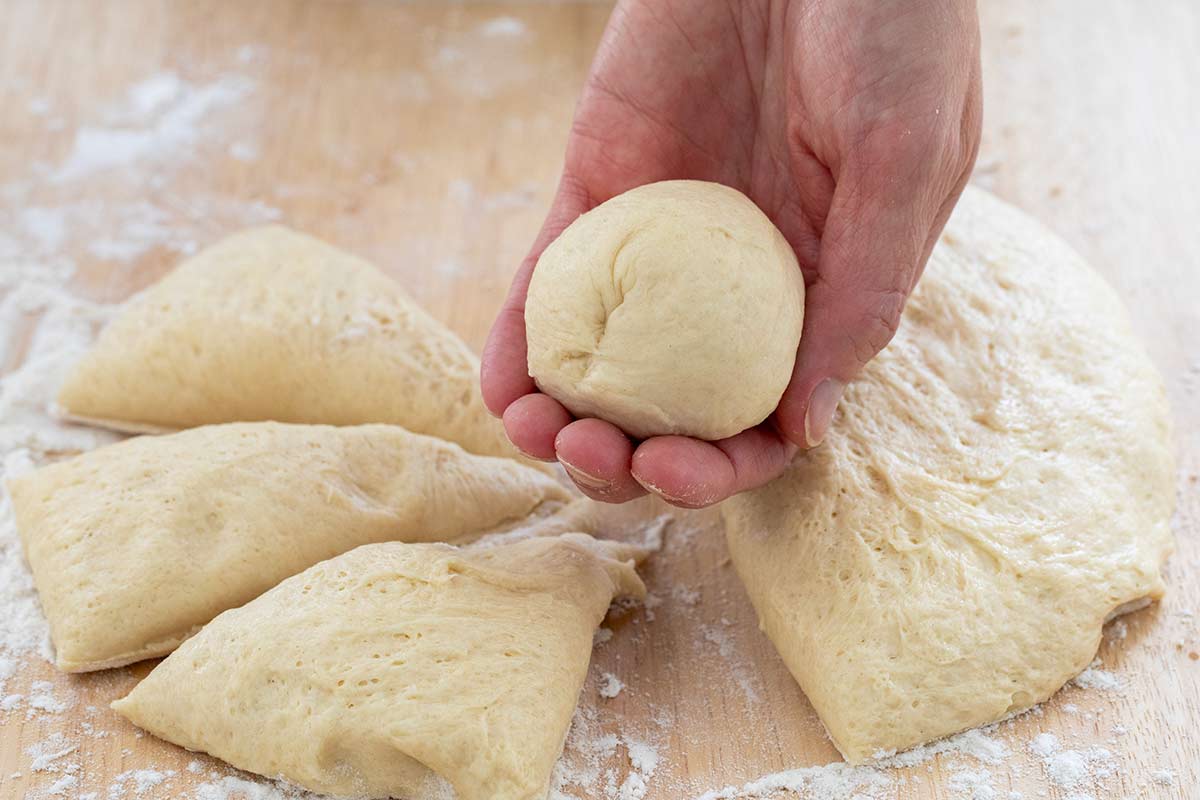
Divide the puffy naan dough into 8 equal portions. Gently shaping into balls preserves the air bubbles developed during fermentation. Overworking at this stage can push out gas and tighten the gluten, making the naan tougher.
Step 6: Roll the Dough
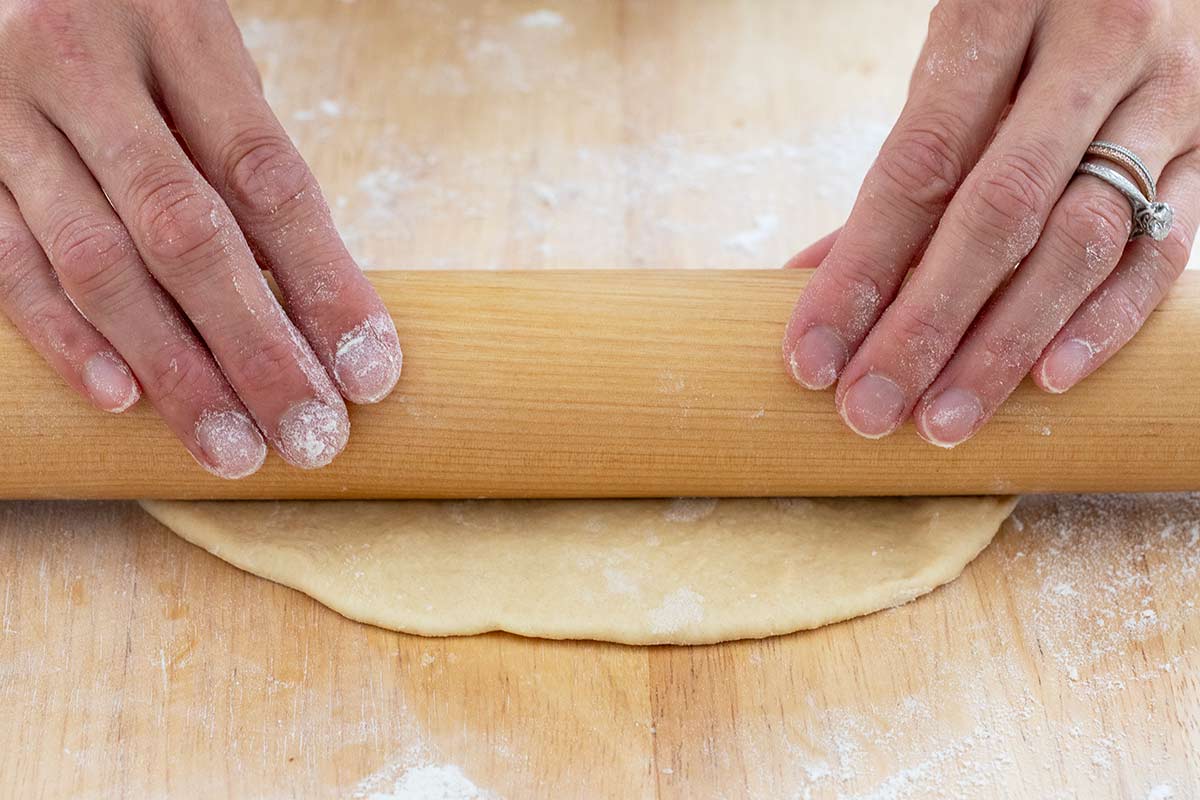
Rolling each piece of dough into an oval shape on a lightly floured surface to about ¼-inch thick ensures quick cooking and proper bubble formation. Thin, even shaping promotes rapid steam expansion when it hits the hot pan, creating those signature blisters.
Tips for Perfect Execution: Here’s a trick to nailing that characteristic airy, soft bread with a lightly charred surface. After shaping the dough into balls, roll each one out individually before cooking. This ensures the dough is briefly deflated without losing the important air pockets the yeast worked so hard to create.

Step 7: Cook the Naan
Most Indian restaurants use a well-insulated, cylindrical clay oven to cook naan. However, since most home cooks don’t have a portable or permanent tandoor at home (lucky if you do!), we need to improvise. Thankfully, a large cast-iron skillet does the trick!
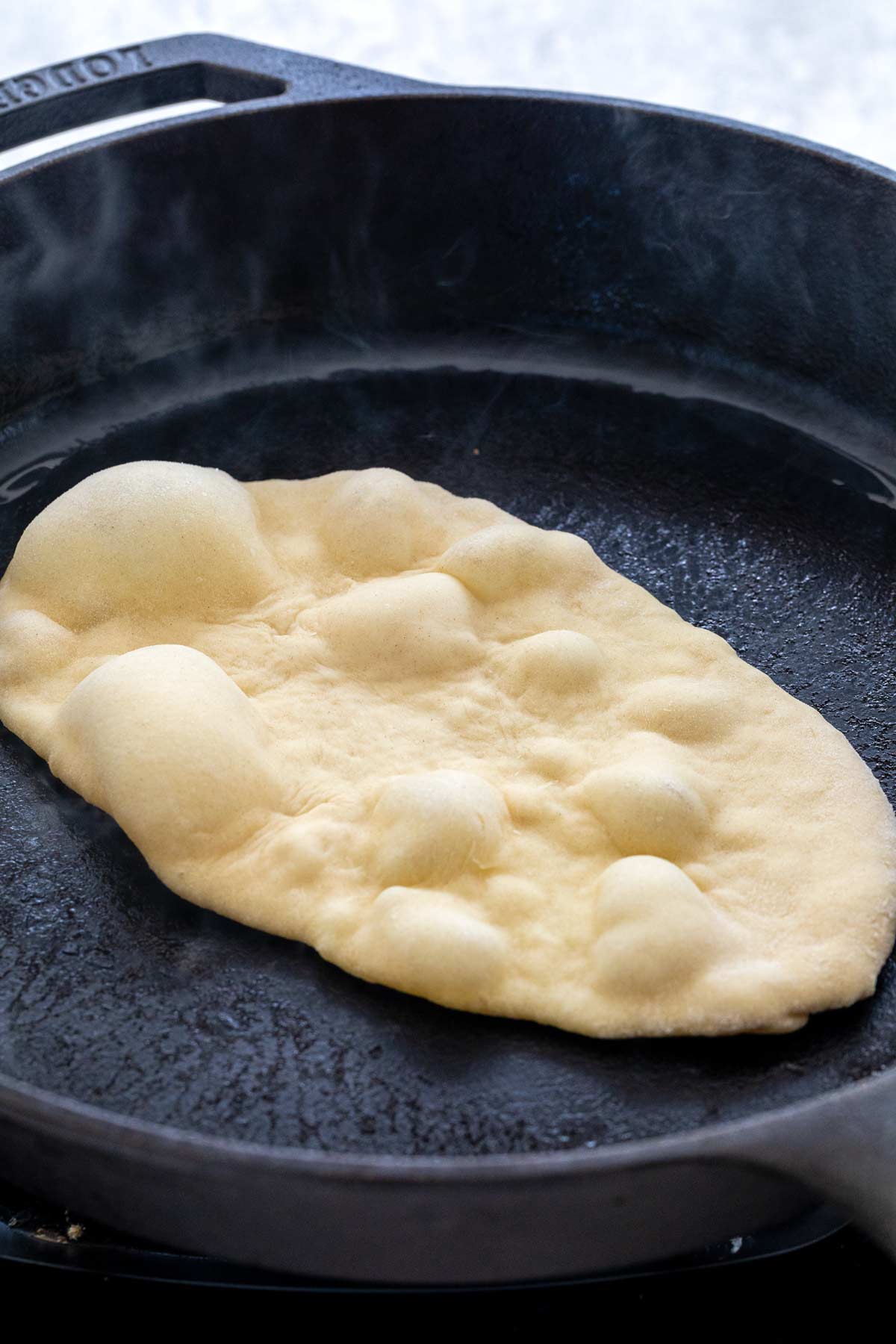
Lightly grease the hot pan, add one rolled piece of dough, and cook until it puffs and develops brown blisters. Flip and cook the other side until golden. Each piece takes just a few minutes. A nonstick pan works, but cast iron is ideal because it retains heat better, resulting in more consistent blistering.
Expert Tip: Make sure the pan is fully heated before cooking. A steady medium heat allows the dough to cook through without burning, while the intense surface heat creates steam inside the dough, forming large bubbles and a light, pillowy texture.

Step 8: To Serve
Brushing melted butter over hot naan allows it to absorb into the surface layers, enhancing richness while softening the crust slightly for that classic tender finish. You can sprinkle the naan with cumin or fresh herbs like cilantro, green onions, or parsley.
Frequently Asked Questions
Naan is a soft, leavened flatbread made from an enriched dough of wheat flour, yogurt, water, egg, oil, and yeast. The yogurt tenderizes the dough and adds subtle tang, while yeast creates its signature airy texture. Traditionally, naan in India is baked in a blazing-hot tandoor oven, which gives it charred bubbles and a smoky flavor. You can replicate similar results in a home kitchen by cooking it in a very hot cast-iron skillet, which creates the same blistered surface and chewy interior.
You can make naan bread in 5 easy steps: proofing the yeast, kneading the ingredients, rising, shaping, and cooking. Using simple pantry ingredients like yeast, all-purpose flour, salt, vegetable oil, and egg yolks ensures a light and tender texture.
Garlic naan is easy to prepare. Just add freshly minced garlic with some butter, then microwave until melted. This also briefly cooks the garlic, so the flavor isn’t too raw or sharp. After taking the cooked naan out of the pan, brush the garlic butter mixture and add a few more chopped pieces on top for stronger aromatics.
Baking powder is an effective chemical leavening agent used in quick breads. Some naan recipes add both yeast and baking powder for extra lift. If you don’t have yeast, simply add ¼ teaspoon of baking powder or ¾ teaspoon of baking soda to the dry ingredients. Mix with the wet ingredients, then let the dough sit, covered, for about 20 to 30 minutes. Roll out, then cook in the skillet until golden brown on both sides.
More Indian Recipes


If you tried this Naan Recipe, please leave a 🌟 star rating and let me know how it went in the 📝 comments below!
Homemade Naan Recipe

Ingredients
- 1 teaspoon granulated sugar
- ½ cup warm water, 100 to 110ºF (38 to 43ºC)
- 2 ¼ teaspoons active dry yeast
- ½ cup whole milk plain yogurt
- 2 tablespoons vegetable oil, plus ½ teaspoon
- 1 egg yolk
- 2 ½ cups all-purpose flour
- 1 teaspoon kosher salt
- ¼ cup unsalted butter
Instructions
- Activate the Yeast – In a medium bowl, stir together sugar and warm water. Sprinkle the yeast on top, stir, and let the mixture stand for 10 minutes. If the mixture bubbles and doubles in volume, the yeast is active and ready to use. Whisk in the yogurt, 2 tablespoons vegetable oil, and egg yolk into the yeast mixture until combined.
- Make the Dough – In a large bowl, whisk together 2 cups of flour and salt. Add the yeast mixture to the flour mixture, stirring until a sticky ball forms.
- Knead the Dough – Turn the dough onto a lightly floured surface. Gradually use the remaining ½ cup of flour, about 1 tablespoon at a time, to sprinkle and knead the dough until soft and smooth, about 3 to 4 minutes. You may not need all of the flour; do not add too much, as it will make the dough very dry.
- Let the Dough Rise – Grease a medium bowl with ½ teaspoon of oil, then place the dough in the bowl. Cover it with a damp towel and let it rise in a warm draft-free space until doubled in size, about 1 hour. The ideal room temperature is 75 to 85ºF (24 to 29ºC).
- Portion and Shape the Dough – Transfer the dough to a lightly floured board. Cut into 8 even-sized pieces, like slicing a round pizza. Gently shape each piece into a ball; do not overwork. Place them on a plate and cover with a towel.
- Roll the Dough – Working one ball at a time, roll out into an oval shape about ¼-inch thick, about 7 inches long, and 5 inches wide. Sprinkle with flour as needed to prevent sticking.
- Cook the Naan – Heat a 12-inch cast iron skillet or nonstick pan over medium heat. Lightly brush vegetable oil on the surface to prevent sticking. Once the skillet is hot, add one piece of dough. Cook until bubbles form on the surface and the bottom is golden brown, about 1 to 2 minutes. Flip and cook the other side until browned, 1 to 2 minutes. Wrap in a towel to keep warm.Continue rolling and cooking the remaining dough. It’s best to roll them out one-by-one while cooking. Add more oil to the pan and adjust the heat as needed. Make sure the pan stays hot between batches to ensure bubbling.
- To Serve – Melt the butter in the microwave for about 45 seconds. Brush the melted butter over the hot naan and serve warm.
Notes
- Serving Size: 1 piece
- Substituting with Instant Yeast: Use the same amount of instant yeast as active dry yeast. Mix instant dry yeast with 2 cups of flour, sugar, and salt. Heat the water to 120 to 130ºF (49 to 54ºC). Add warm water, yogurt, oil, and egg yolk to the dry ingredients, stir to combine. Knead with the remaining ½ cup of flour until smooth. Follow the rest of the recipe instructions. Rise time may be faster; check the dough after 30 minutes for the first rise, and 15 minutes after the second.
- For Garlic Naan: In a small microwave-safe bowl, heat 2 tablespoons (16g) minced garlic and butter in 15-second intervals on high power until the butter is melted, about 45 to 60 seconds. Brush the garlic butter over the hot naan bread and garnish with chopped parsley.
- Storing: The naan bread can be stored in the refrigerator for up to 3 days or frozen in a resealable plastic bag for up to 1 month.
- Reheating: Line a sheet pan with foil. Broil naan in the middle of the oven until warmed through, about 1 to 4 minutes if fresh or frozen. Make sure to keep a close eye on the bread as it can brown quickly in the oven.
Nutrition Facts
Percent Daily Values are based on a 2000-calorie diet. All nutritional information is based on estimated third-party calculations. Each recipe and nutritional value will vary depending on the brands you use, measuring methods, and portion sizes per household.


Manda Mehta says
Hi Jessica
Can I used yogurt/curd instead of egg yolk.
If yes how much quantity of curd?
Jessica Gavin says
You will lose some richness in the bread without the egg yolk. However, you could give this substitute a try: Add 3 tablespoons vegetable oil total and 1/2 cup plus 1 tablespoon plain yogurt total. Let me know how it goes!
Susan says
Is it possible to make this with chickpea flour or whole wheat flour? Just trying to incorporate more whole grains in our diets. By the way, we are loving your recipes and very helpful tips!! Thanks
Jessica Gavin says
Hi Susan- Yes, you can use while wheat flour. If the dough feels slightly dry, add in a little more water since the bran in the whole wheat soaks up more moisture.
Christine N Markwart says
This naan bread was fantastic! I’ve been craving Indian food so I made a meal and served this naan with it. I mixed the dough (in my standmixer), let it rise, divided it, and then refrigerated for a few hours before dinner. I did let the dough come to room temp before rolling out each piece. Super easy to work with, ingredients I always have on hand, and quick to cook each piece. The garlic & butter addition make this restaurant quality!
Jessica Gavin says
Thank you for your feedback and for sharing your experience. You rocked the recipe!
Michael says
Jessica, only had vanilla yogurt left in the fridge but still worked great.
Jennifer Patrick says
Jessica, how would I adjust this recipe using instant yeast rather than active dry?
Jessica Gavin says
Hi Jennifer- What yeast brand are you using?
Jennifer Patrick says
SAF Instant red package
Jessica Gavin says
Hi Jennifer- Use the same amount of instant yeast as active dry. Check the notes section of the recipe for instructions on how to substitute the yeast. Please let me know how it goes!
JJ says
Yummy! We have been making small pizza-topped Naans for a year now bc they taste better, but I never thought of making them myself. Easy-peezy, too! Two questions:
1. We love garlic Naan…would you suggest adding garlic in the batter, or melted in the butter that’s brushed on at the end?
2. Okay to freeze these? I have a Food Saver, and can imagine making a batch and having these ready for the occasional “Pizza Nights”.
Jessica Gavin says
Hi JJ- I have instructions in the notes section of the recipe for the garlic naan. Just melt garlic in the butter then add on top. Yes, these freeze well! Reheating instructions in the notes section as well. Happy baking!