
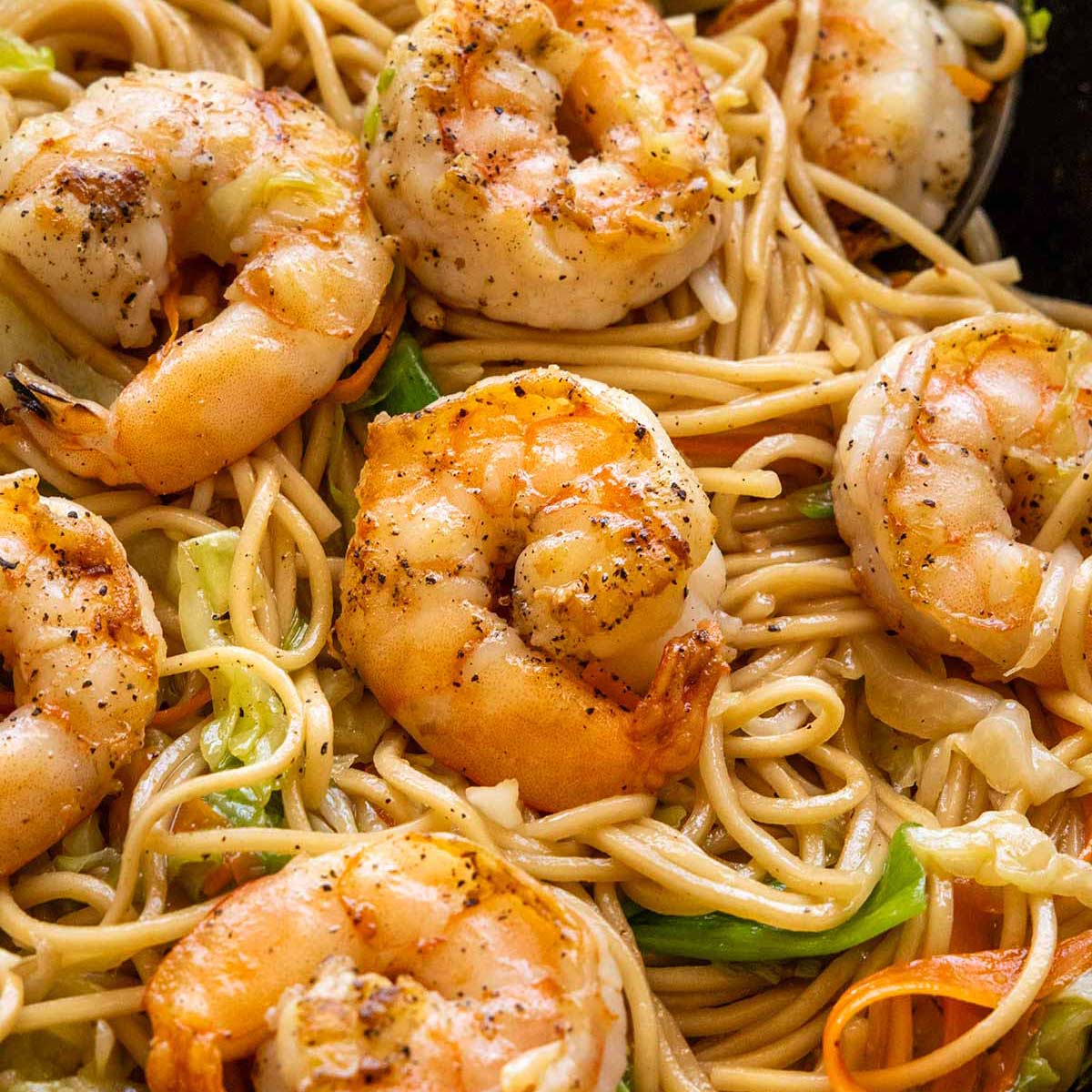
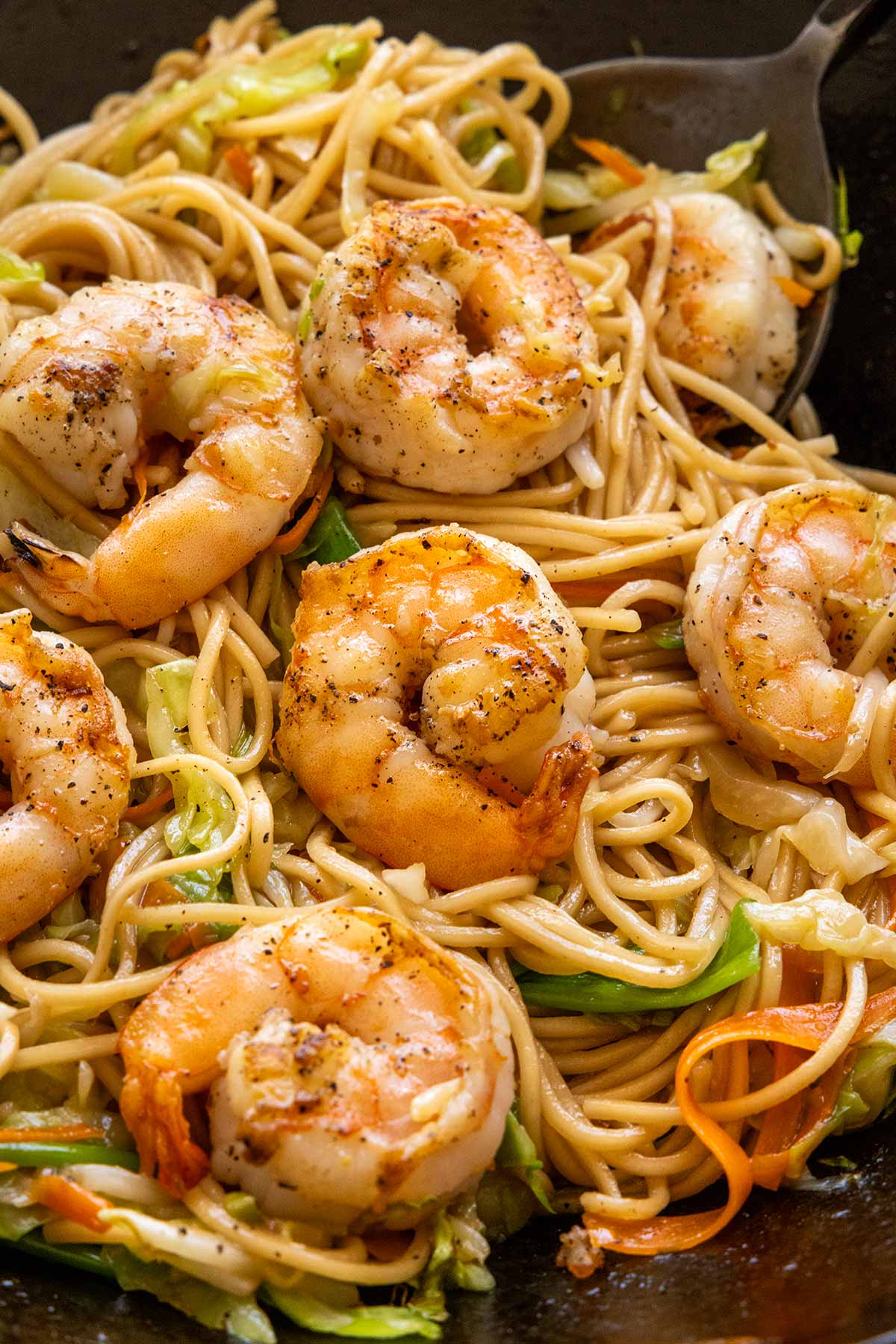
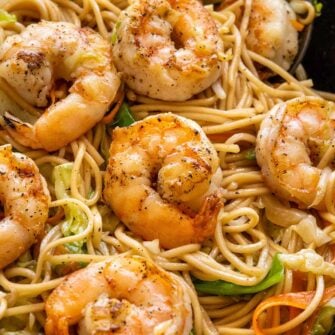
Skip the takeout and make this bold, savory shrimp lo mein recipe at home in under 30 minutes! Tender shrimp, crisp-tender veggies, and chewy noodles are tossed in a glossy, umami-packed sauce.
If you love this recipe, be sure to try my chicken lo mein to switch up the protein.
Jessica’s Recipe Science
- Cooking the lo mein noodles al dente prevents them from turning mushy when tossed in the wok.
- Stir-frying over medium-high heat quickly browns the shrimp while keeping the center succulent and tender.
- Cornstarch thickens the savory sauce so it clings evenly to every noodle and veggie.
Featured Comment 4
“It’s delicious!” —Sandra
Why It Works
This homemade shrimp lo mein recipe delivers restaurant-style flavor with simple ingredients and fast cooking techniques perfect for busy home cooks. Tender shrimp, chewy egg noodles, crisp-tender cabbage, carrots, and bean sprouts are tossed in a glossy, savory sauce with garlic, ginger, and sesame oil for incredible flavor and depth. It’s one of my favorite Chinese cooking-inspired dishes because everything cooks in one pan in just minutes.
A great lo mein comes down to heat, timing, and moisture control. Using a large wok allows the ingredients to sear quickly rather than steam, helping the shrimp stay juicy while the veggies maintain their crunch. Cooking the noodles separately and tossing them into the sauce at the end keeps the texture chewy rather than soggy. Once you master the stir-frying technique, you can easily customize the recipe.
Jump To a Section
Ingredients You’ll Need
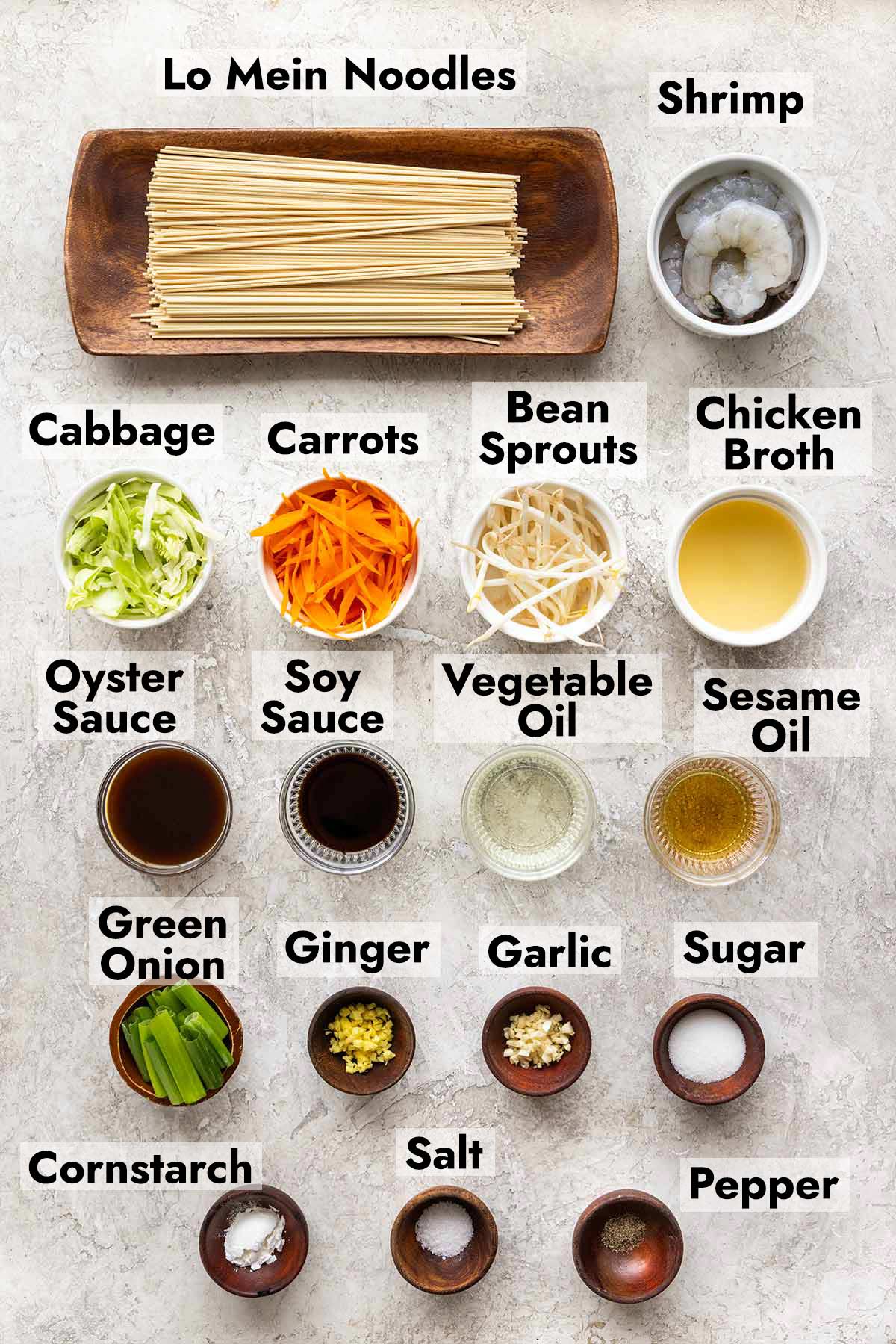
- Lo Mein Noodles: Traditional egg noodles have a chewy texture that holds up well during stir-frying. Fresh noodles cook quickly, while dried noodles are a pantry staple that work just as well.
- Shrimp: Shrimp adds lean protein and cooks in just a few minutes. Brief cooking over high heat keeps the texture tender instead of rubbery.
- Seasoning: Kosher salt and black pepper enhance the shrimp’s natural sweetness and savory tastes.
- Sesame Oil: Adds nutty aroma and depth to the sauce and shrimp. A little goes a long way because the toasted oils are highly flavorful.
- Broth: Chicken broth creates the liquid base for the savory sauce while adding richness without making the noodles greasy.
- Sauces: Oyster sauce and soy sauce provide umami flavor, saltiness, and caramel-like depth commonly used in Chinese cooking.
- Sugar: Balances the salty flavors in the savory sauce.
- Cornstarch: Thickens the sauce so it coats the noodles lightly rather than pooling at the bottom of the pan.
- Vegetable Oil: A neutral oil with a high smoke point helps stir-fry ingredients quickly in the hot wok.
- Aromatics: Sauté garlic and ginger briefly to release flavorful aromatic compounds into the oil.
- Vegetables: Green cabbage and carrots stay crisp during stir-frying, adding natural sweetness and crunch. Bean sprouts add fresh texture and moisture with a light crunch. Green onions and a mild onion flavor.
See the recipe card below for all ingredients and measurements (US and metric).
Ingredient Substitutions
This shrimp lo mein recipe is easy to customize! Try these delicious variations:
- Lo Mein Noodles Options: Swap with ramen, yakisoba, thick spaghetti, or rice noodles if needed.
- Shrimp Swap: Try crab, lobster, or scallops instead.
- More Veggies: Add tofu, napa cabbage, snow peas, bell pepper, broccoli, mushrooms, or bok choy.
- Chicken Broth: Use chicken stock for a richer flavor, or vegetable broth for a lighter one.
- Oyster Sauce: Use hoisin sauce for a sweeter flavor or vegetarian oyster sauce made from mushrooms.
- Soy Sauce: Use dark soy sauce for a deeper brown color to the noodles. Tamari or coconut aminos can be used as gluten-free alternatives.
- Sesame Oil: Chili oil adds spicy depth, or use peanut oil for extra richness.
- Sugar: Brown sugar or honey can replace granulated sugar for deeper sweetness.
How to Make Shrimp Lo Mein
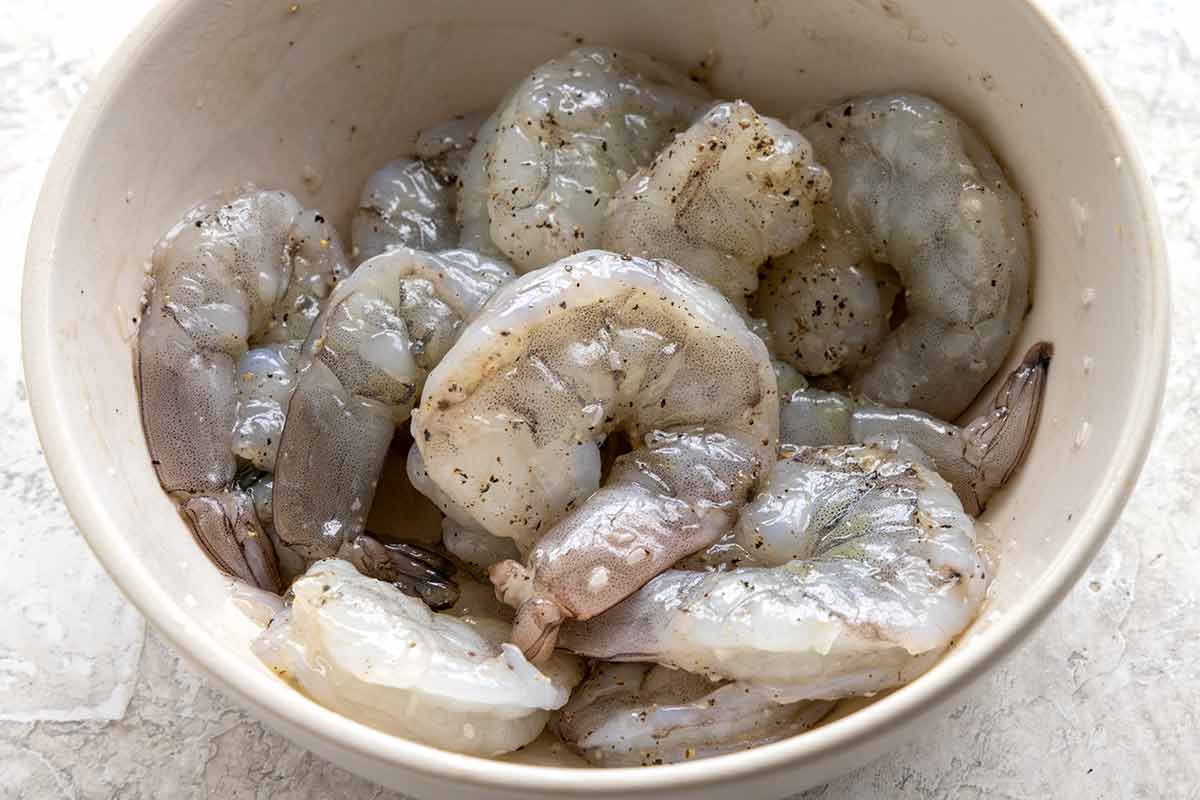
Step 1: Season the Shrimp
Seasoning the shrimp before cooking helps the salt penetrate the surface proteins, enhancing flavor. Sesame oil lightly coats the shrimp to promote even cooking and prevent sticking.
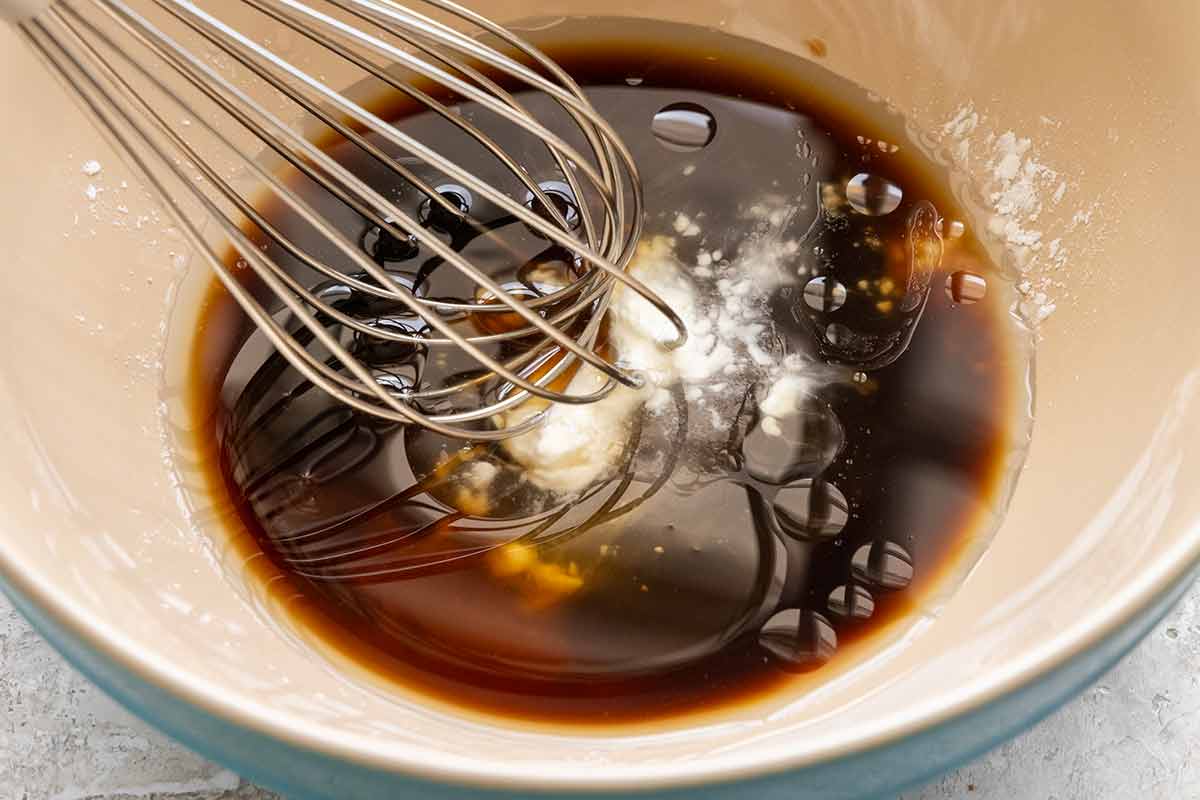
Step 2: Make the Stir Fry Sauce
Whisking the cornstarch into the liquid ingredients evenly disperses the starch granules, so the sauce thickens smoothly rather than clumping. The balance of soy sauce, oyster sauce, sesame oil, and sugar creates savory depth with slight sweetness.
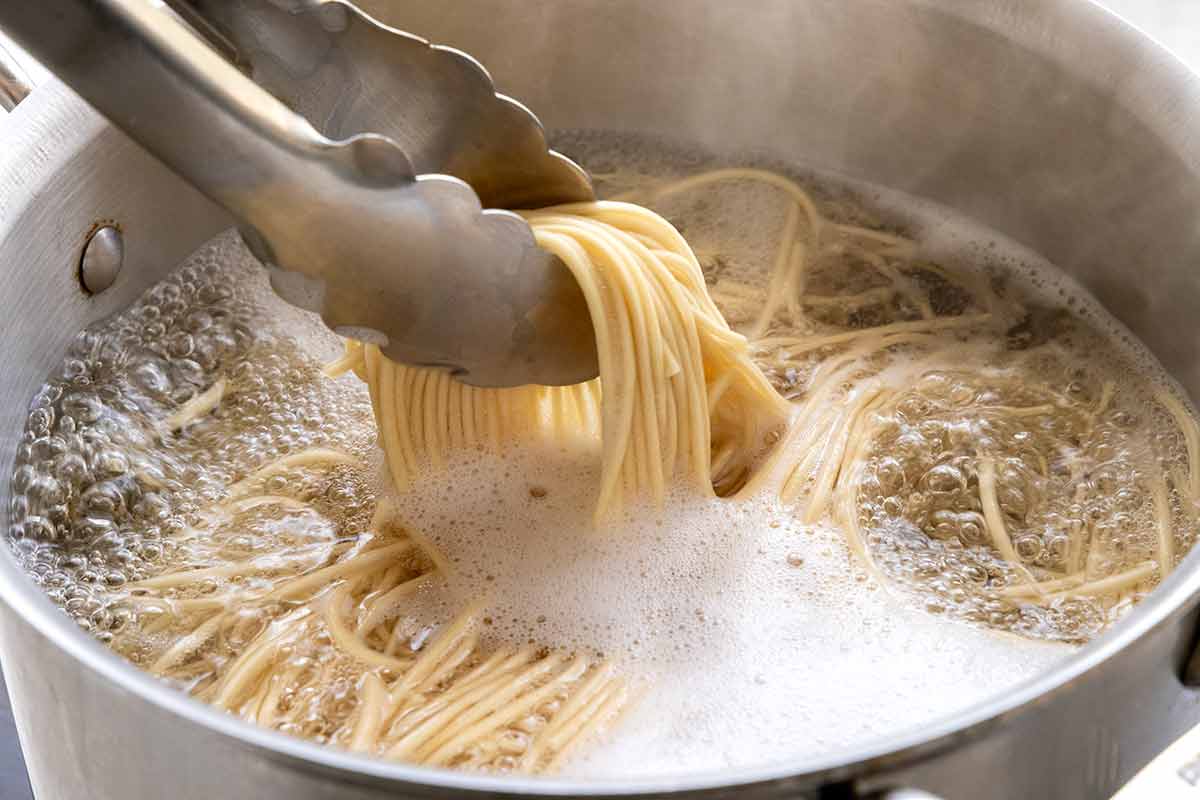
Step 3: Cook the Noodles
Boiling the noodles separately hydrates the starches, making them chewy and tender. Cooking them al dente prevents the noodles from over-softening once added back into the hot wok. After draining, avoid rinsing unless needed, since excess cold water can cool the noodles and dilute the sauce.
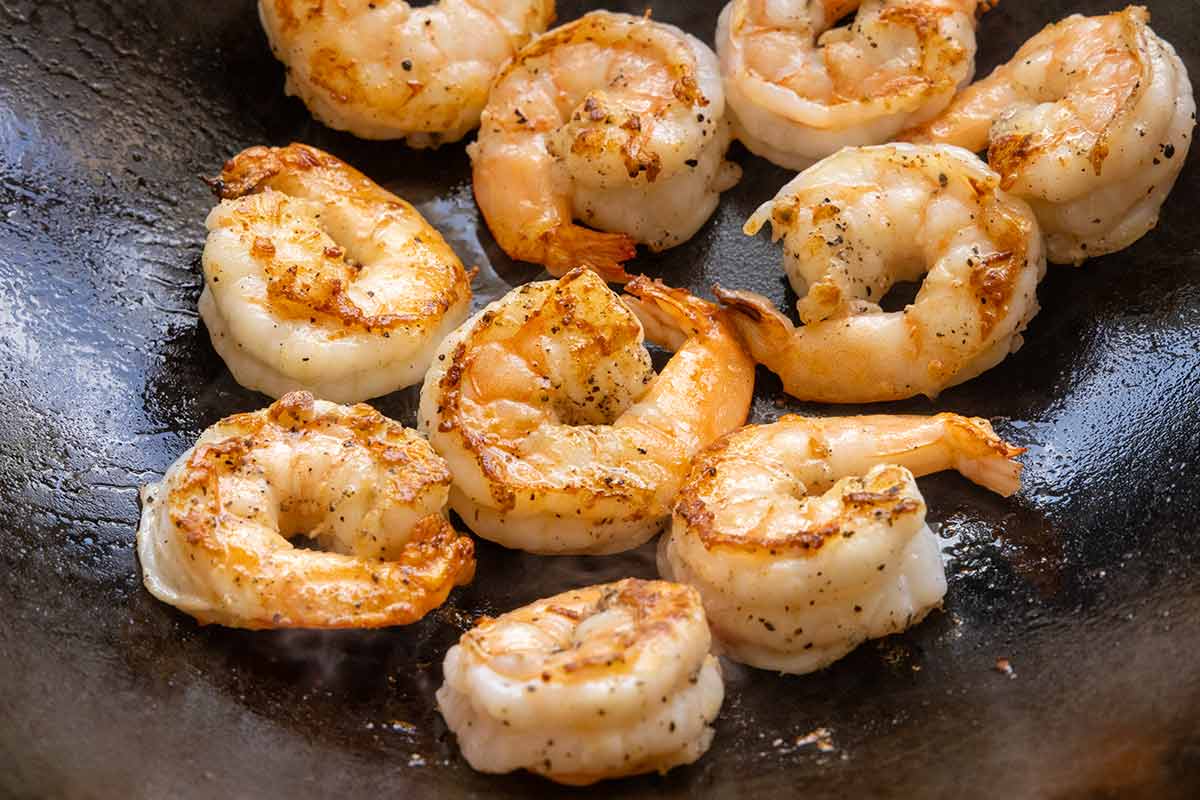
Step 4: Cook the Shrimp
Cooking the shrimp in a single layer allows them to have direct contact with the hot pan for faster browning. Letting the shrimp sit undisturbed for 1 minute develops flavor through Maillard browning before stirring. It should be a loose “C” shape, instead of a tight “O” shape, to prevent overcooking.
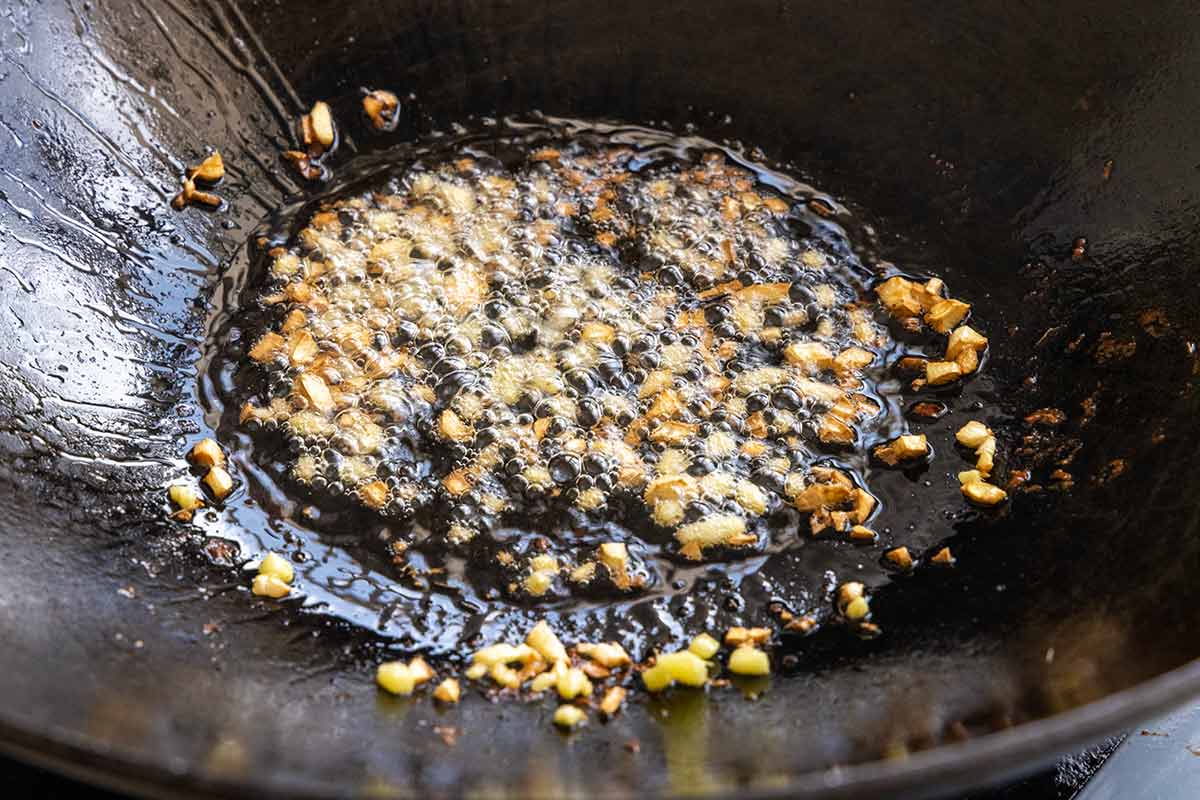
Step 5: Cook the Aromatics
Garlic and ginger contain aromatic compounds that bloom quickly in hot oil. Stir-frying for just 20 seconds prevents burning while maximizing flavor.
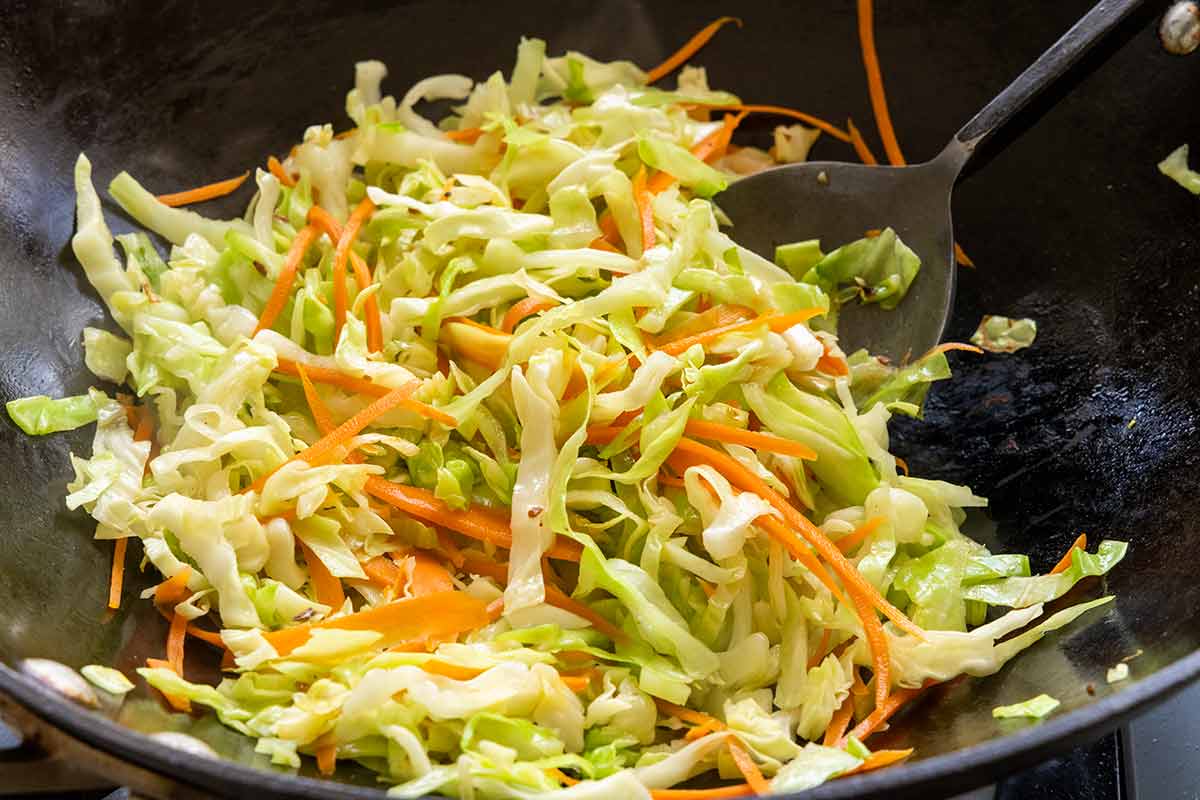
Step 6: Cook the Vegetables
Quick stir-frying keeps the cabbage and carrots crisp-tender while softening the cell walls just enough for easier eating. High heat also concentrates their natural sweetness.
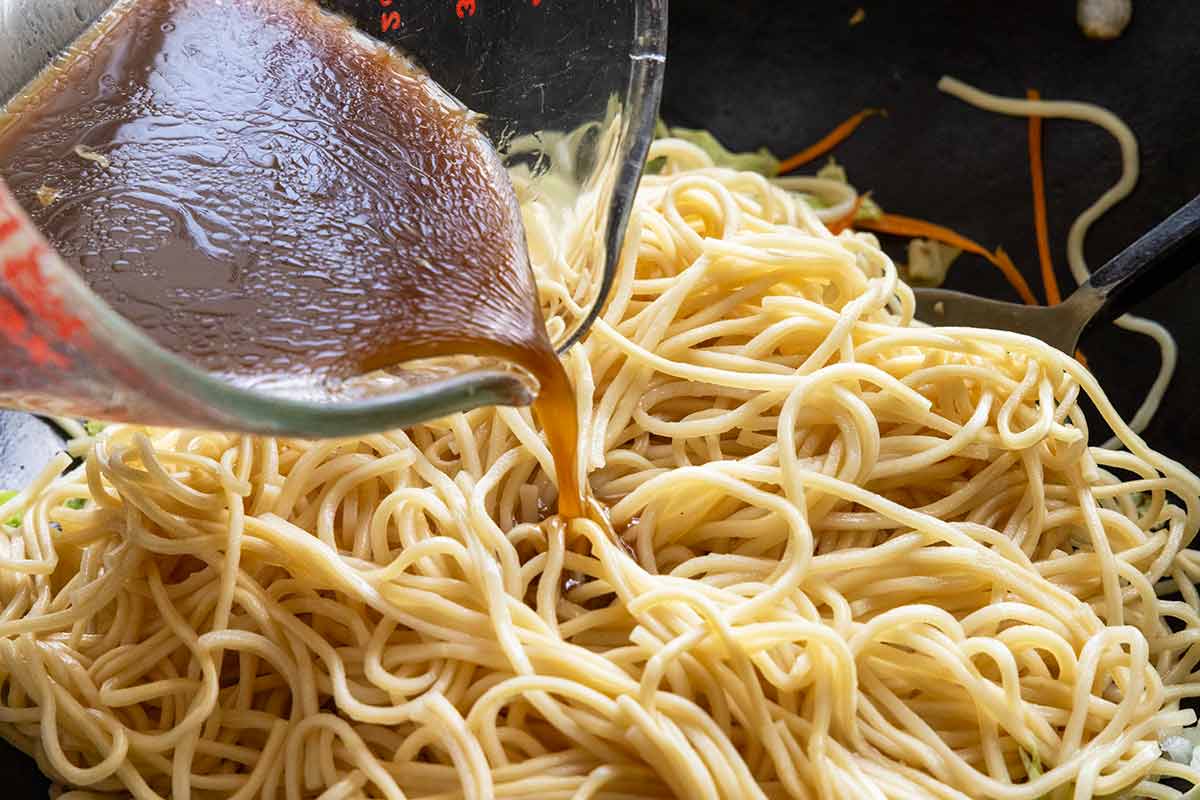
Step 7: Cook the Noodles and Sauce
Adding the noodles directly to the sauce allows the starch on the noodle surface to help bind the sauce. The cornstarch thickens rapidly once heated, creating a glossy coating.
Experimentation Encouraged: If you want a stronger onion flavor, add sliced green onion whites or scallion whites at this stage of stir-frying to let them cook for a few extra minutes.
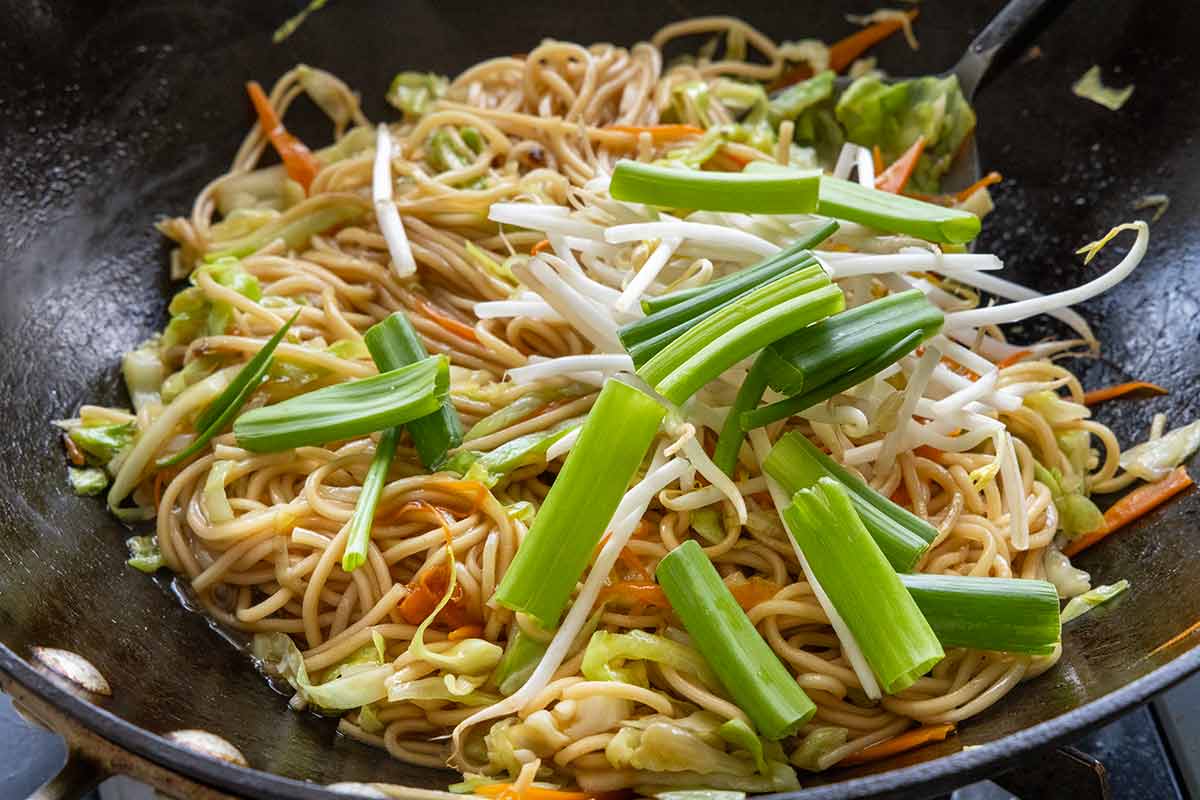
Step 8: Add the Sprouts
Bean sprouts and scallions cook very quickly, so adding them last preserves their fresh crunch and bright flavor.
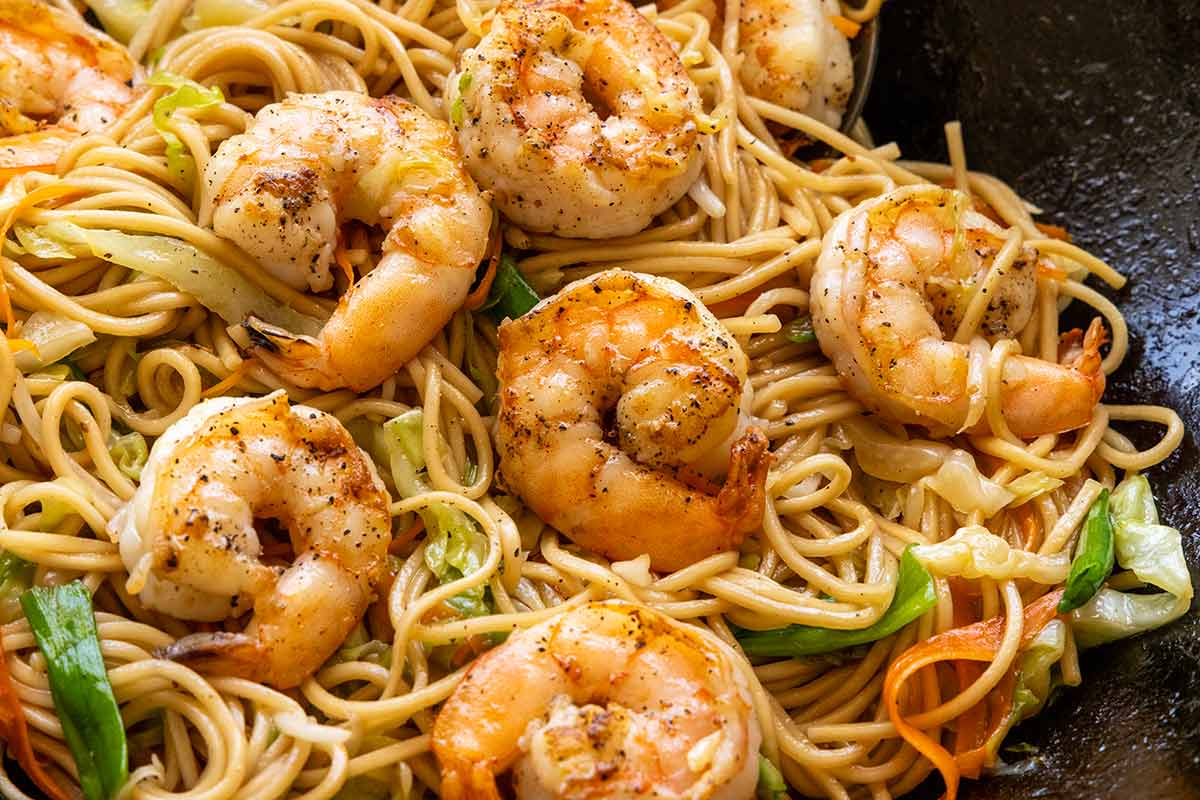
Step 9: Add the Shrimp
Tossing the shrimp back into the pan at the end reheats them gently without overcooking. This keeps the texture juicy and tender. I like to serve this as a side dish with orange chicken, kung pao chicken, or beef and broccoli for a complete meal!
Frequently Asked Questions
Lo mein is typically made with thicker, soft egg noodles that are tossed with ingredients in a savory sauce, giving the dish a saucy, tender texture. Chow mein usually uses thinner noodles that are either stir-fried until crispy, like Hong Kong-style chow mein, or lightly softened and topped with sauce. The exact preparation varies by region, so you’ll find many different styles and textures depending on where the dish is made.
A balanced savory sauce made with oyster sauce, soy sauce, sesame oil, chicken broth, sugar, and cornstarch. In my recipe, oyster sauce adds rich umami depth, while soy sauce provides saltiness and fermented flavor. A small amount of sugar balances the savory tastes, and sesame oil adds a toasted aroma. Cornstarch thickens the sauce as it heats, so it lightly coats the noodles and shrimp.
Yes! Fresh noodles cook in about 1 minute and have a softer texture. Dried noodles are a convenient pantry staple and become chewy once boiled.
Store leftovers in an airtight container in the refrigerator for up to 3 days. Reheat quickly in a hot skillet to revive the texture, or microwave in 30-second increments until hot.
Serve This With


If you tried this Shrimp Lo Mein, please leave a 🌟 star rating and let me know how it went in the 📝 comments below!
Shrimp Lo Mein
Ingredients
- ½ pound raw shrimp, 16/20 count, peeled and deveined
- ½ teaspoon kosher salt
- ¼ teaspoon black pepper
- 1 ½ teaspoon sesame oil, divided
- ¼ cup unsalted chicken broth
- 3 tablespoons oyster sauce
- 1 tablespoon soy sauce
- 1 ½ teaspoons granulated sugar
- 1 teaspoon cornstarch
- 6 ounces dried lo mein noodles
- 2 tablespoons vegetable oil, divided
- 1 teaspoon minced garlic
- 1 teaspoon minced ginger
- 4 cups green cabbage, thinly sliced
- ½ cup shredded carrots
- ½ cup bean sprouts
- ¼ cup green onions, 1 ½” pieces
Instructions
- Season the Shrimp – In a medium bowl, combine shrimp, salt, pepper, and ½ teaspoon sesame oil. Set aside.
- Stir Fry Sauce – In a small bowl, whisk together chicken broth, oyster sauce, soy sauce, sugar, cornstarch, and 1 teaspoon sesame oil.
- Cook the Noodles – Boil the dried noodles according to package directions until al dente, about 3 to 4 minutes. If using fresh noodles, boil for 1 minute. Drain the noodles in a colander.
- Cook the Shrimp – Heat a wok or large nonstick skillet over medium-high heat, then add 1 tablespoon vegetable oil. Add the shrimp in one layer, and allow it to cook for 1 minute without moving. Flip and cook for 30 seconds, or until opaque. Transfer to a clean plate.
- Cook the Aromatics – Add 1 tablespoon vegetable oil to the pan. Once the oil is hot, add in garlic and ginger and stir-fry for 15 seconds.
- Cook the Vegetables – Add the cabbage and carrots. Stir-fry until the vegetables just begin to soften, about 1 minute.
- Cook the Noodles and Sauce – Add the drained noodles to the pan, then pour the sauce on top. Stir and cook until thickened, about 1 minute.
- Add the Sprouts – Add the bean sprouts and green onions, and cook for 30 seconds.
- Add the Shrimp – Add the cooked shrimp to the pan, and toss to mix with the noodles. Transfer to a platter and serve the shrimp lo mein while still hot.
Recipe Video

Notes
- Serving Size: About 1 cup of shrimp lo mein.
- Using Fresh Noodles: Purchase 8 ounces of fresh lo mein noodles.
- Fresh Noodle Swaps: Ramen, chow mein, or yaki-soba. These are sold in the refrigerated section at markets.
- Dried Noodle Substitutes: Use 6 ounces of dried noodles of chow mein, yaki-soba, Chuka-soba, or thick spaghetti noodles. Cook to the manufacturer’s directions until al dente, then drain well.
- Storing: Refrigerate in an airtight container for up to 3 days.
Nutrition Facts
Percent Daily Values are based on a 2000-calorie diet. All nutritional information is based on estimated third-party calculations. Each recipe and nutritional value will vary depending on the brands you use, measuring methods, and portion sizes per household.




Wendy Richardson says
This was delicious! I doubled everything bc I had a big crowd to feed. The flavor was perfect. Thank you!
Jessica Gavin says
I’m so happy to hear that you enjoyed the shrimp lo mein recipe, Wendy!
Kelly says
Yours looked, and turned out excellent. I tried it last evening but left too much water in the noodles. Everything was soggy. 😬
Live and learn.. Practice makes perfect.
You’re doing a tremendous job, chef J.
Sandra says
It’s delicious!