
Oats are an affordable everyday pantry staple, but with so many types of oats on the shelf, you may wonder what the differences are. Before they reach our kitchens, oats may be cut, rolled, ground, or steamed, and each one cooks differently. Here’s how steel-cut, rolled, quick, and other oats compare, and the best ways to use them in oatmeal, homemade granola, baked goods, and even savory dishes.

Oats are a cereal grain from the grass family. All of the types below start as the same whole oat kernel. The difference is how much they’re processed, which changes their texture and how long they take to cook. The list goes from the least to the most processed.
Types of Oats at a Glance
| Type | How It’s Made | Texture | Stovetop Cook Time | Best For |
|---|---|---|---|---|
| Oat groats | Whole, hulled kernels | Chewy, nutty | 50 to 60 min | Grain bowls, pilafs, stuffing |
| Steel-cut | Groats chopped into pieces | Chewy, hearty | 25 to 30 min | Hearty oatmeal, risotto |
| Scottish | Stone-ground groats | Creamy with some chew | About 10 min | Smooth porridge |
| Rolled (old-fashioned) | Steamed and flattened flakes | Soft, slightly chewy | 5 to 20 min | Oatmeal, overnight oats, cookies, granola |
| Quick and instant | Thinner or precooked flakes | Soft, creamy | 1 to 3 min | Fast oatmeal, binders, smoothies |
| Oat bran | Outer layer of the groat | Smooth, creamy | About 5 min | Hot cereal, add-in for baking |
| Oat flour | Finely milled whole oats | Fine, soft | Varies | Pancakes, muffins, thickening |
Oat Groats

Also known as oat berries, these are whole oat kernels that have been hulled and cleaned. Each groat contains the germ, endosperm, and bran. Groats look like tan, rice-shaped grains and take the longest to cook, about 50 to 60 minutes.
Their chewy texture and nutty flavor are great in savory side dishes, soups, stews, grain bowls, stuffing for poultry, and risotto, or as a hearty hot cereal. Boil them like pasta, then drain the excess water.
Steel-Cut Oats (Irish Oats)

Also called Irish oats, steel-cut oats are oat groats chopped into small pieces with a steel blade. They take about 25 to 30 minutes to cook. Quick-cooking steel-cut oats are cut into even smaller pieces and are ready in about 5 to 7 minutes.
They have a nutty flavor and a chewy texture that turns creamy and porridge-like as they cook. Use them for hot cereal, risottos, and pilafs. You can cook steel-cut oats on the stovetop, in the slow cooker, in the microwave (best with quick-cooking steel-cut oats), or make Instant Pot steel-cut oats. To save time in the morning, bring them to a boil the night before, then cover and let them sit overnight. Toasting the oats in a pan before adding liquid enhances their nutty flavor.
Scottish Oats

Scottish oats are made from stone-ground oat groats, giving them a mix of fine and coarse pieces. When cooked, they become a creamy porridge with bits of toothsome chew. They take about 10 minutes on the stovetop or about 3 minutes in the microwave.
Rolled Oats (Old-Fashioned Oats)
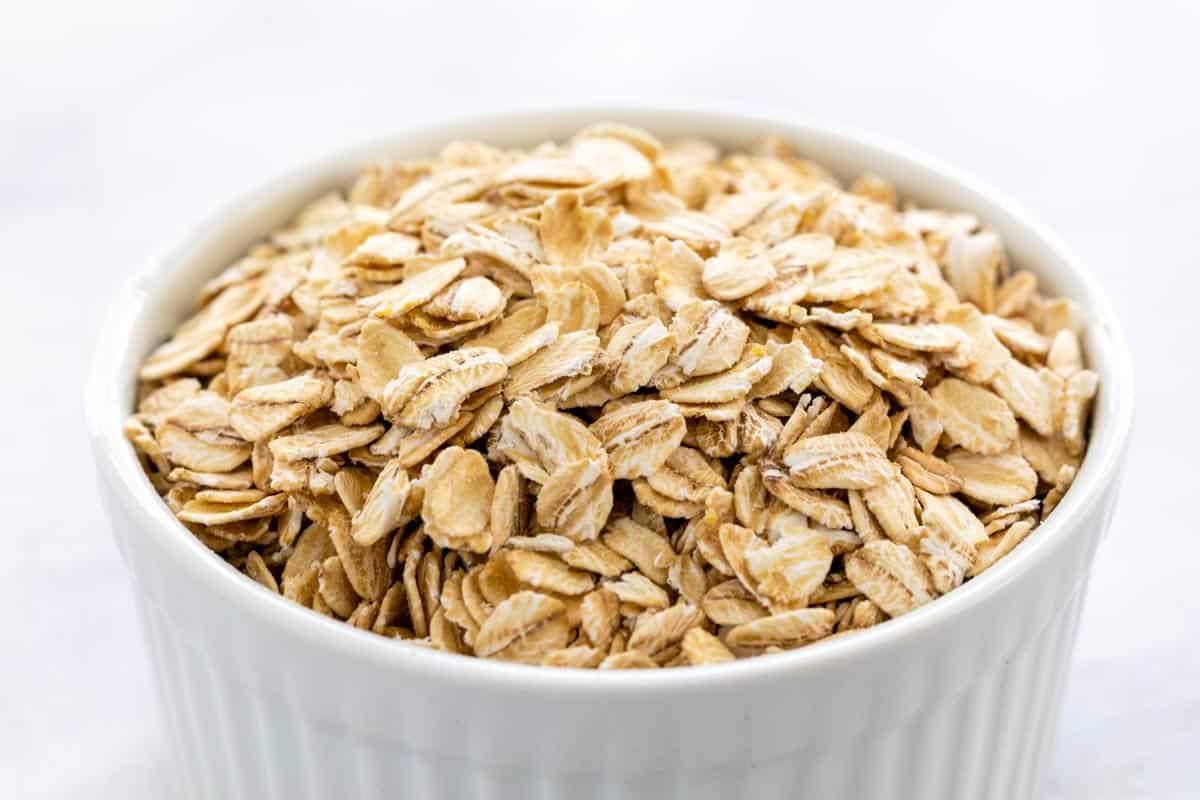
Rolled oats are oat groats that are steamed, rolled into flat oval flakes, and dried. They have a mild flavor, a slightly chewy texture, and a somewhat creamy consistency when cooked. Thick-cut versions have even more bite.
They’re the classic choice for oatmeal, overnight oats, oat milk, smoothies, baked fruit toppings, granola, muffins, snack bars, cookies, oat pancakes, and breads. Rolled oats take about 5 to 20 minutes on the stovetop, depending on how creamy you like them, or 2 to 5 minutes in the microwave.
Quick and Instant Oats
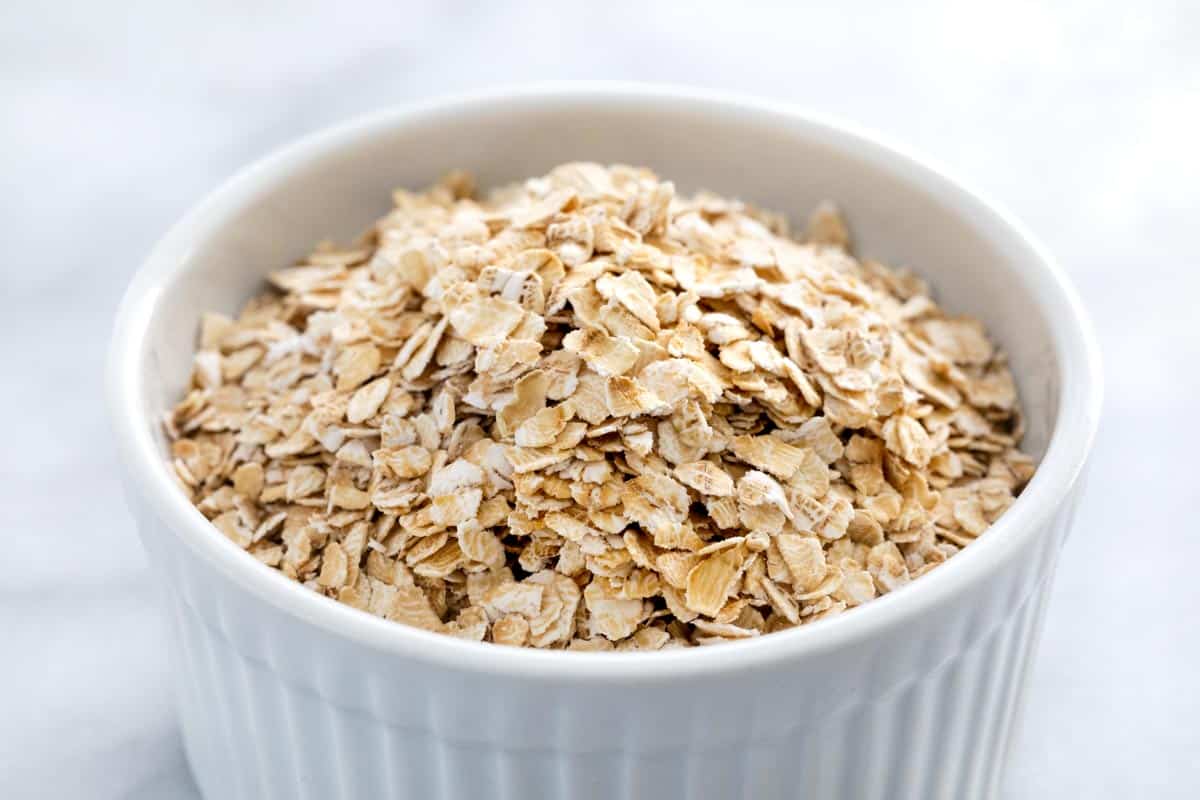
Quick oats are rolled into thinner flakes than old-fashioned oats, so they absorb water and cook faster. Instant oats go a step further: they’re precooked, dried, and rolled very thin, so they’re ready in 1 to 3 minutes or with just hot water.
Both are great for fast oatmeal, baked fruit toppings, cookies, smoothies, muffins, and pancakes, and as a binder in meatloaf or meatballs. Many flavored packets include added sugar and flavorings, so choose plain oats when you want to control the sweetness.
Oat Bran

Oat bran is the outer layer of the oat groat, separated and milled into small tan flakes. It cooks into a smooth, creamy hot cereal in about 5 minutes on the stovetop or in the microwave, or in about an hour in a slow cooker.
You can also sprinkle a few tablespoons over hot or cold cereal, or add small amounts to pancakes, muffins, cookies, smoothies, and quick breads for extra texture.
Oat Flour

Oat flour is made by finely milling whole oats. It’s tan, with a mild, nutty flavor. Because oats don’t form gluten, oat flour can’t replace wheat flour one-for-one in yeast breads. Replace about 20 to 30% of the wheat flour in breads, cakes, and cookies; more than that can make the texture dense and chewy.
In tender baked goods like muffins and pancakes, oat flour can be used on its own. It also works as a thickening agent for gravies, sauces, and soups. See more types of flour.
What Do Oats Look Like?
The easiest way to tell oats apart is by shape. Oat groats look like whole, tan grains similar to brown rice. Steel-cut oats look like small chopped bits, and Scottish oats look like coarse meal. Rolled oats are flat, oval flakes, while quick and instant oats are thinner, smaller, more broken flakes. Oat bran looks like fine tan flakes, and oat flour is a soft, light tan powder.
Are Oats Gluten-Free?
Pure oats don’t contain gluten, which is found in wheat, rye, and barley. However, oats are often grown and processed alongside those grains, so regular oats can pick up traces of gluten. If you’re cooking for someone who avoids gluten, look for oats labeled certified gluten-free.
How to Cook Oatmeal
Steel-cut, Scottish, rolled, quick, and instant oats all make great oatmeal. Cook them in water, milk, or a mix of both on the stovetop, in the microwave, or in a pressure cooker. Instant and rolled oats cook the fastest, while steel-cut oats take longer but have the heartiest texture. Top your oatmeal with nuts, seeds, fruit, and a drizzle of maple syrup or honey.
For a no-cook option, make overnight oats: combine rolled oats, milk, and chopped fruit in a jar, add seeds, nuts, or spices if you like, then seal, shake, and refrigerate for at least four hours or overnight.
Ways to Add Oats to Recipes
- Bake classic oatmeal raisin cookies or oatmeal chocolate chip cookies.
- Add chewy texture to no-bake energy bites.
- Make a crunchy topping for apple crisp or cobbler.
- Bake a batch of banana baked oatmeal for easy breakfasts.
- Blend rolled or instant oats into smoothies for a thicker, creamier texture.
- Use quick oats in place of bread crumbs to bind meatloaf and meatballs.
Frequently Asked Questions
Quick oats are rolled thinner than old-fashioned rolled oats, so they cook faster and have a softer texture. Rolled oats hold their shape better and are chewier.
Not usually without changes. Steel-cut oats need more liquid and a much longer cooking time, and they stay chewy, so they don’t work well in cookies, granola, or overnight oats made for rolled oats.
Often, yes. Quick oats work in most cookies, muffins, and bars, but the texture will be softer and less chewy.
Old-fashioned rolled oats are best. They soften overnight while keeping some texture. Quick oats can turn mushy, and steel-cut oats stay very chewy unless cooked first.
Hungry for More?

Pantry Staples
10 Types of Flour and Uses

Pantry Staples
Types of Rice

Ingredient Guides
20 Types of Lettuce and Other Leafy Greens

Ingredient Guides




Scott Hollingsworth says
Great piece on oats- really clear and well presented. The more I bake and learn about flour, the more I value maximising nutritional value of ingredients and am really glad to see that strand running through your blog. Am signing up!
Jessica Gavin says
Thank you for signing up! So happy that you find the ingredients article helpful in your baking journey.
Simon Thomas says
Just found your channel. Love the recipes. I’m a private yacht chef and I cant wait to use your recipes on my guests and crew. Nice clear videos, nice smile. Happy cooking and thankyou a bunch. ???
Jessica Gavin says
Thank you, Simon! I hope that your guests enjoy the recipes, sounds like a fun job!