
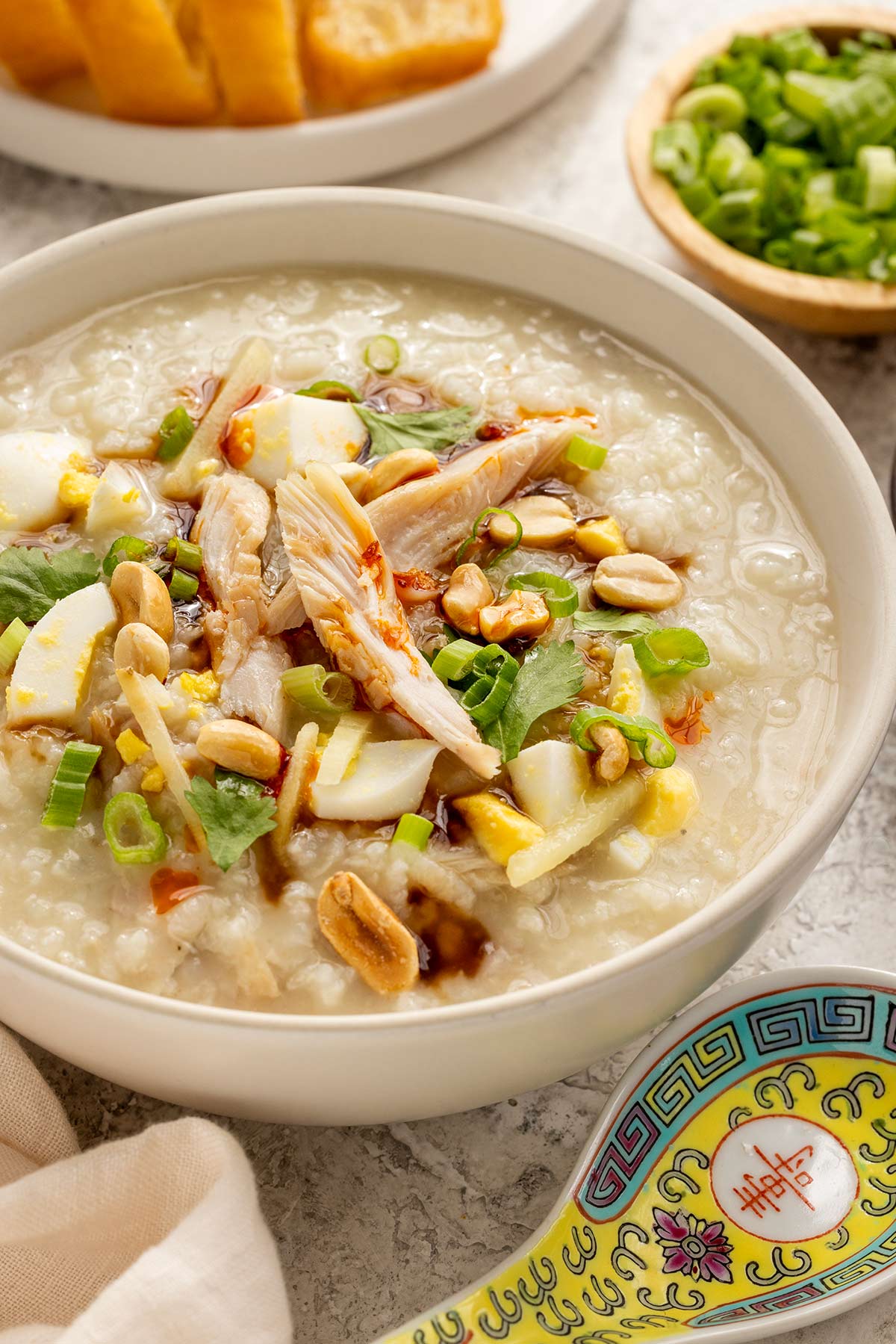
This turkey jook (congee) is our family’s post-holiday tradition. Simple, comforting, and a delicious way to use leftover turkey and veggies. Let me show you how to turn the turkey carcass into a rich, savory rice porridge.
Jessica’s Recipe Science
- Slowly simmering the turkey stock gently extracts roasted flavors from the bones while converting collagen into rich gelatin.
- Medium-grain Calrose rice has higher starch content and a soft, slightly sticky texture that breaks down to a creamy consistency.
- As the rice cooks in the stock, its starches hydrate and the grains swell and burst, thickening the jook into a creamy porridge.
Why It Works
Growing up in a large Asian family, I found leftover roast turkey from Thanksgiving and Christmas a prized possession. The running joke is always: Who’s the lucky guest taking home the turkey carcass to make jook? We turn the bones into a deeply flavorful homemade turkey stock, then simmer it with rice to make a rich, cozy porridge. In Southern China, it is also known as congee.
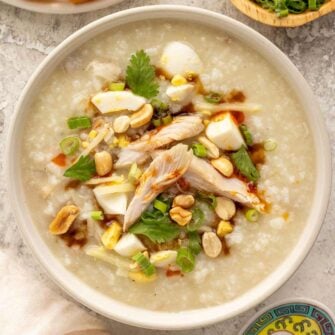
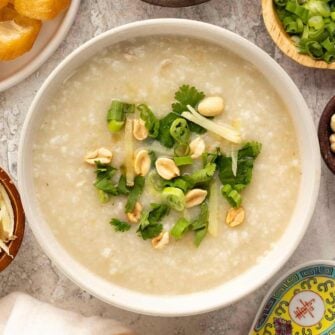
In addition to adding bits of shredded turkey from the carcass, my grandfather used to bring savory Chinese donuts to slice and serve alongside the jook. It’s a nostalgic touch I’ll never forget. Garnishes like crunchy peanuts, chopped eggs, fresh ginger, green onions, cilantro, and a drizzle of oyster sauce add layers of flavor and texture to each customized bowl.
After years of watching my grandparents, dad, aunts, and sisters make jook with such care and instinct, I want to continue the tradition with my own kids. I’ve gathered all the tips and techniques passed down through the Yee family, and I’m excited to share them with you!
Jump To a Section
Ingredients You’ll Need
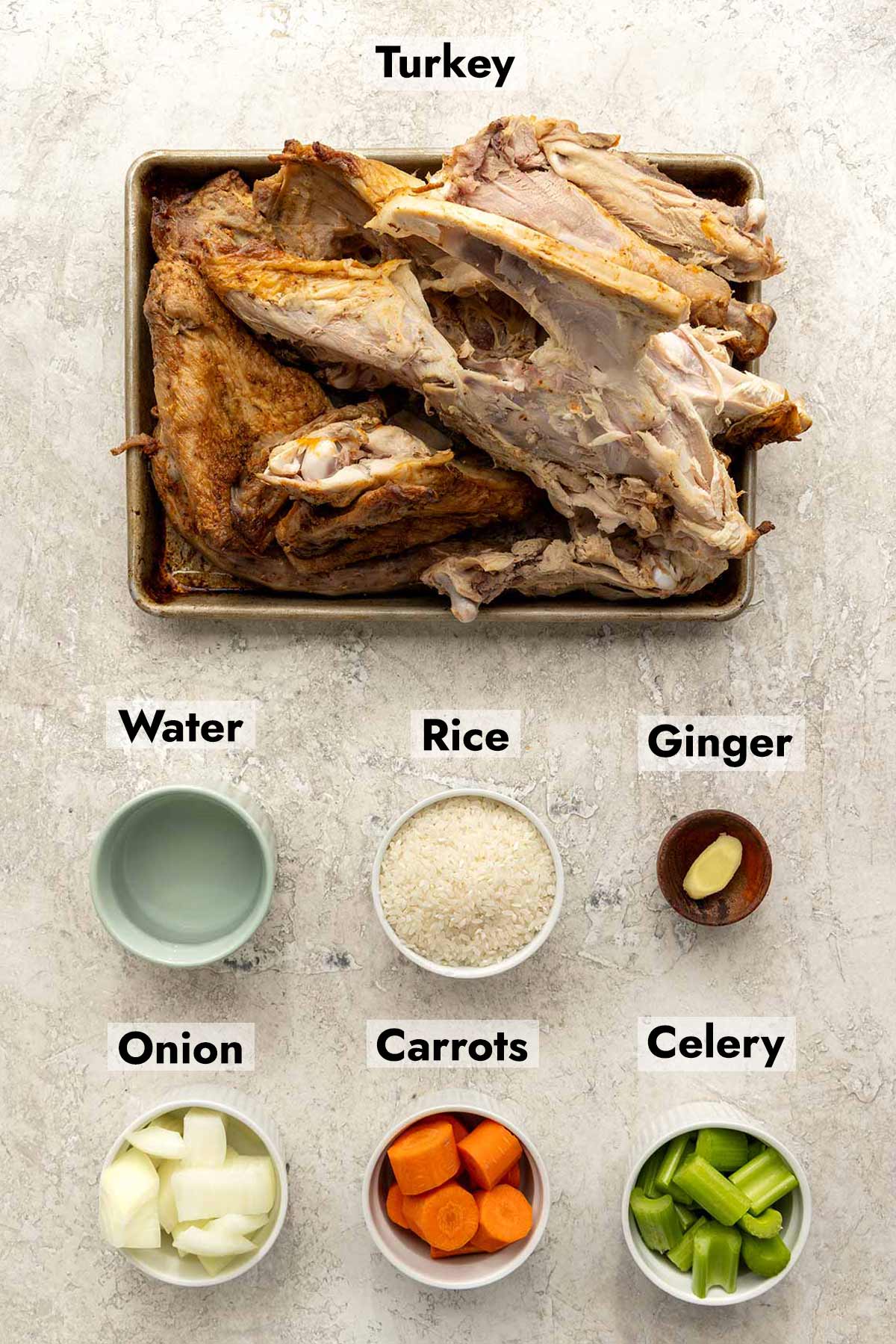
- Turkey Carcass: Use the bones and cartilage from a whole turkey. It typically yields about 3 to 4 pounds, depending on the size. I add the bones from the neck, backbone, wings, legs, thighs, rib cage, and breast.
- Water: I start with 14 cups of cold water for the stock’s liquid base. This will reduce to about 3 quarts, depending on the simmer time and heat level.
- Vegetables: If you already have the carrots, onions, and celery from roasting the turkey, or have fresh ingredients, add them to flavor the stock base. This is optional, as it’s not typically used in congee recipes, but I like how it keeps the stock from tasting bland.
- Spices: I add a slice of fresh ginger when simmering the stock for pungency and warmth, but it is optional.
- Rice: Medium-grain Calrose rice works well for congee because its higher amylopectin creates a naturally creamy, silky texture, while its moderate amylose helps the grains stay soft yet retain some shape as they break down.
See the recipe card below for all ingredients and measurements (US and metric).
Ingredient Substitutions
This turkey congee recipe is easy to customize! Try these delicious options:
- Bones: You can use a chicken carcass or ham bone to make a different-flavored stock. Make turkey stock for a golden hue and deeper flavor, or lighter chicken stock, or chicken broth.
- Stock Flavoring: Try adding dried shiitake mushrooms, chicken bouillon, soy sauce, salted preserved turnip (chung choi), fish sauce, dried shrimp, garlic cloves, or add a seasoning pouch called sachet d’épices.
- Rice Swaps: Medium-grain white rice is preferred because its balanced amylose-to-amylopectin ratio releases enough starch during simmering to create a naturally thick, creamy gel structure in the porridge. Jasmine rice, a long-grain variety with higher amylose content, yields a lighter, less viscous texture and imparts a fragrant, nutty aroma. Avoid short-grain types of rice; its high amylopectin content rapidly breaks down, causing excessive starch release that makes the jook overly gluey and pasty, masking the delicate individual-grain texture. Skip basmati rice; it stays too firm and separate due to its high amylose content, so it won’t break down enough to make creamy congee.
- Rice Swaps: Medium-grain white rice works best because its balanced starch ratio breaks down into a naturally creamy porridge. You can use a long-grain rice, such as jasmine, which yields a lighter, more aromatic bowl. Short-grain rice releases too much amylopectin and quickly turns gluey. Skip basmati rice; its high amylose content keeps the grains too firm to achieve a smooth texture.
- Turkey Meat Swaps: Add shredded chicken, roasted duck, ground turkey, or ground pork.
- Mix-Ins: My dad, Rick, likes cooking black-eyed peas separately to keep their earthy flavor and boost the protein before stirring them in. He also adds peas and carrots for sweetness. For a stronger aromatic kick, slip in thin ginger slices near the end so their volatile oils stay bright. Salted century egg (pidan) delivers the ultimate umami richness, resulting in a deeper, savory finish.
- Toppings: The possibilities are endless! Fish sauce, oyster sauce, soy sauce, sesame oil, and chili oil. Green onions, Chinese donuts, chili crisp, century egg, roasted peanuts, cilantro, chopped hard-boiled eggs, fried onions or shallots, sriracha, or meat floss.
How to Make Turkey Jook

Step 1: Soak the Rice
Washing the rice removes excess surface starch, preventing a slimy texture. I usually do about three rinses, scrubbing the grains between my hands. When I watched my dad make jook, he always soaked the rice while the stock simmered. This evenly hydrates the grains so they heat and swell at the same rate. This helps the porridge cook faster and thicken evenly. Let the rice soak at room temperature while you make the turkey stock.
Pro Tip: If you skip soaking, plan for a longer simmer, since unhydrated grains need extra time to absorb liquid and fully soften into porridge. You may need to add more liquid later.

Step 2: Prepare the Bones
It’s time to grab the turkey carcass from the fridge! Remove any leftover meat from the bones before making the stock to prevent overcooking and drying out. Long simmering is perfect for extracting collagen and savory flavor from the bones, but it’s too harsh for lean turkey breast meat. Dark meat holds up a bit better because it has more fat and connective tissue.
Chef’s Tip: I like to add about 2 to 3 cups of shredded meat to the jook at the end of cooking. If needed, separate the bones into smaller pieces to fit in the pot.
Step 3: Simmer the Stock
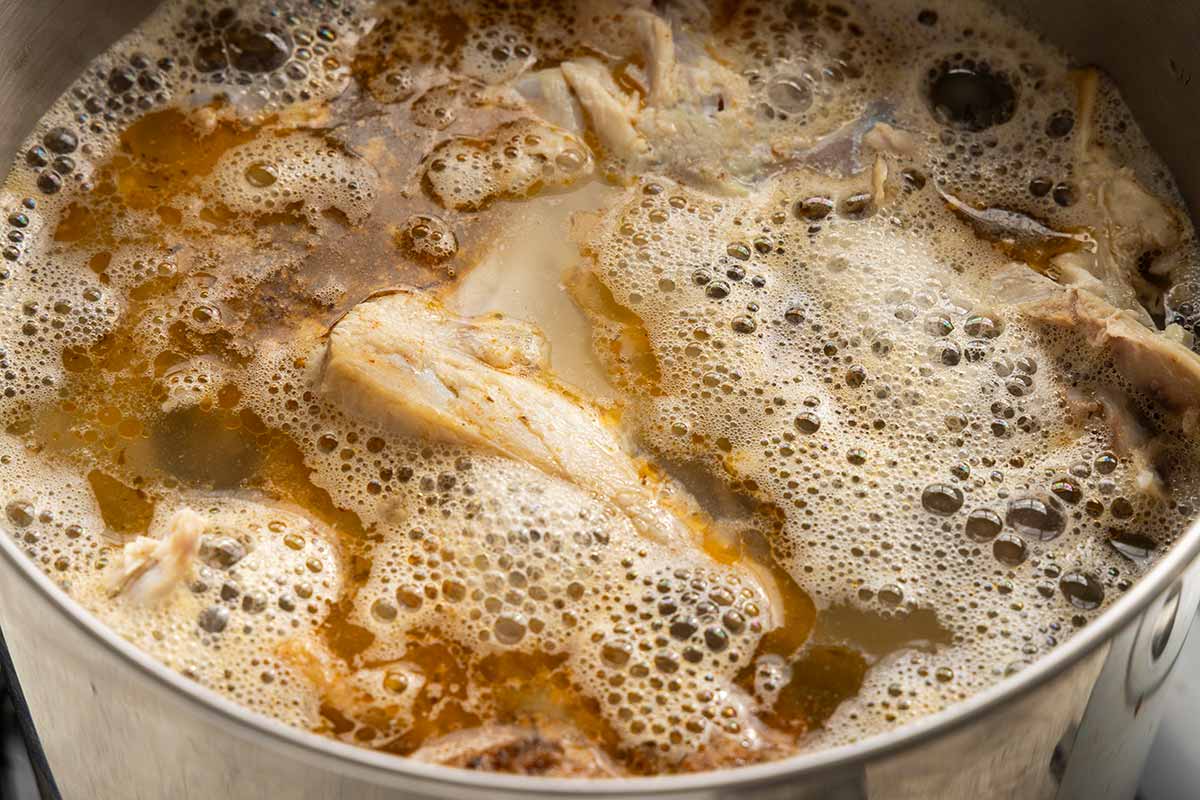
This is the moment when all the flavor magic starts to build. I add the turkey bones to a large stockpot and cover them with about 12 cups of cold water, adding a little more if they aren’t fully submerged. I bring the pot to a gentle boil over medium-high heat, then immediately reduce the heat to low and keep it below 185ºF (85ºC).
Skim off any foam or fat to keep the stock clear. Then add the onions, carrots, celery, and sliced ginger. Cover the pot with the lid slightly ajar and let it simmer gently for at least 1 hour, or up to 4 hours for a deeper flavor. I find that two hours gives a rich, flavorful stock. I like to make a larger batch in case you need more liquid to adjust the porridge’s consistency.
Make Ahead Tip: You can make the turkey stock ahead of time, then refrigerate it for up to 5 days or freeze it for 6 months. My family often makes this a two-step process, preparing the stock the day before.
Step 4: Strain the Stock
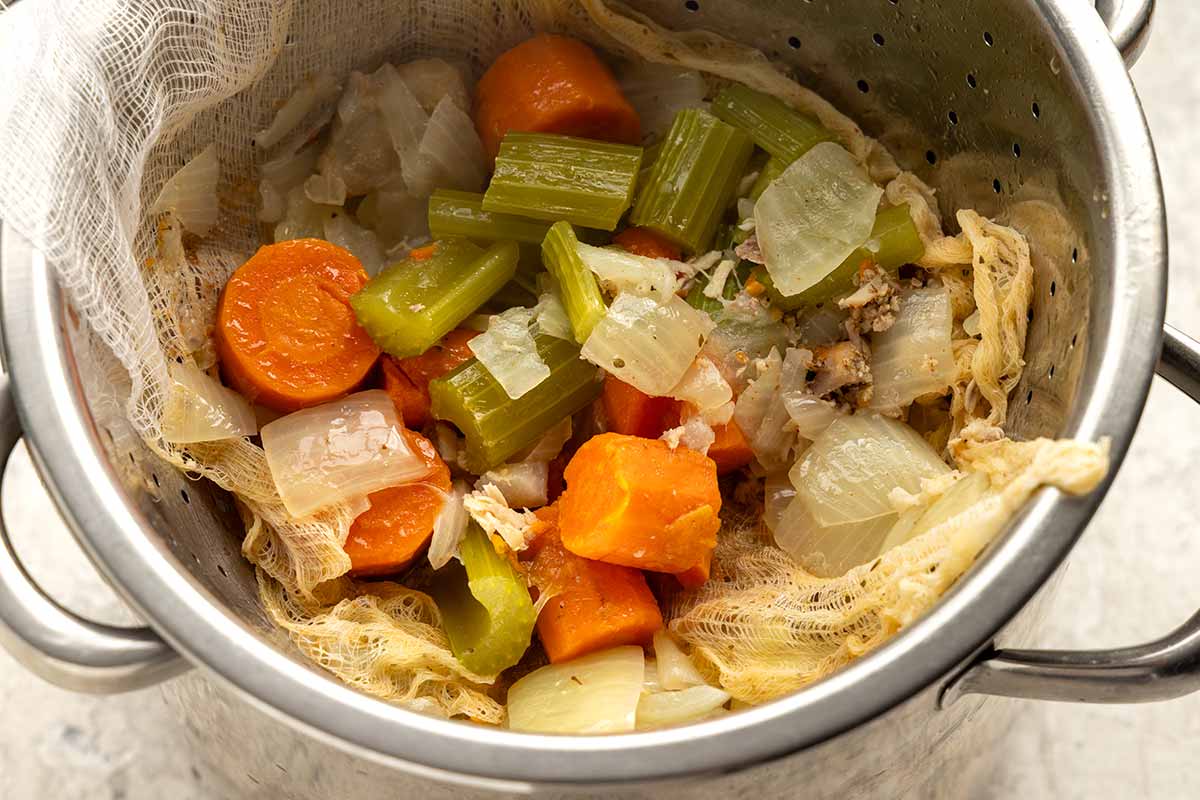
Removing the bones first makes the stock easier to strain. If you have cheesecloth, place it on top of the strainer. This step yields a clear, deeply flavored broth that thickens smoothly as the rice cooks. If you like, you can pick off any remaining meat or chop the softened vegetables to add back later for extra texture. Taste the strained stock and season with salt before making the jook.
Experimentation Encouraged: My family likes a thicker porridge, almost like a looser risotto, so I use a 1:8 rice-to-water ratio. I prefer to start with less liquid and adjust at the end. If you want a thinner, more soup-like jook, use a 1:9 ratio of rice to water. However, I’ve noticed the cook time increases to about 55 to 65 minutes.
Step 5: Cook the Jook
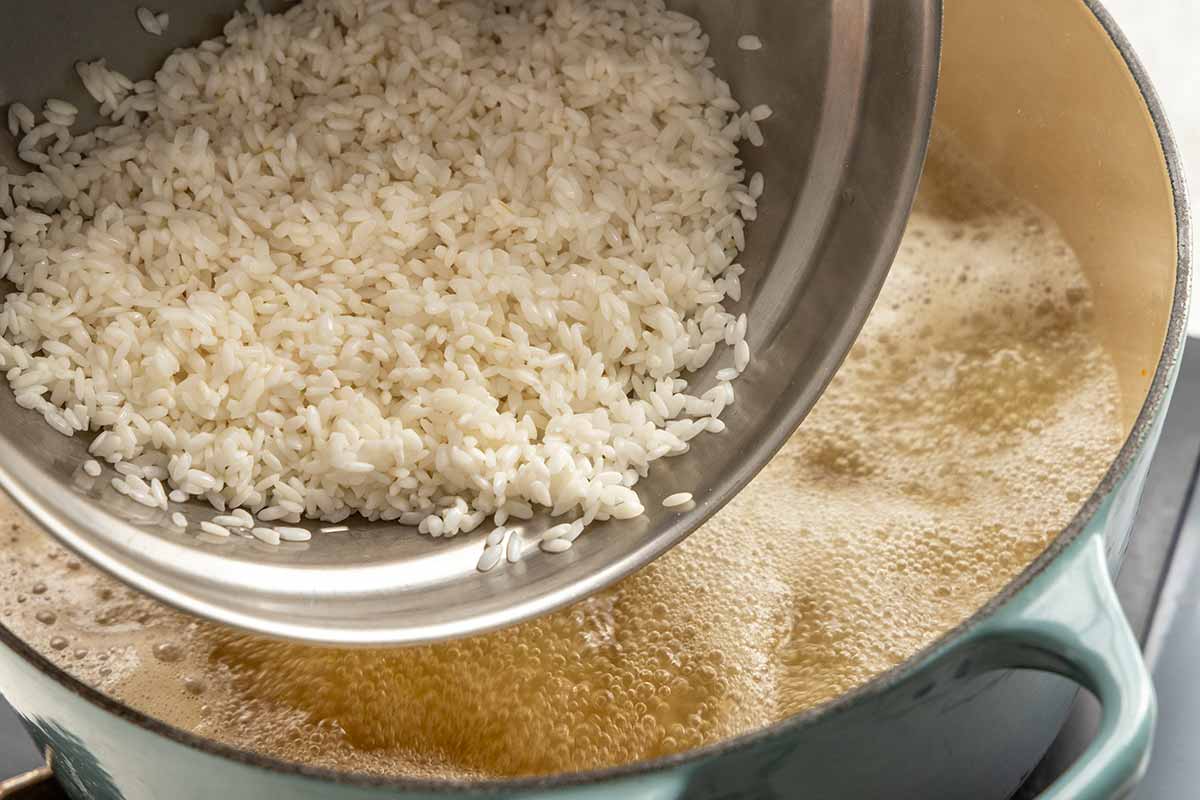
I start by boiling the rice in hot stock for a few minutes to jump-start cooking, then let it gently simmer around 200 to 205ºF (93 to 96ºC) for about 25 minutes so the grains can swell, burst, and release their starches without scorching. Keep the lid slightly ajar to let steam escape and naturally thicken the porridge. I avoid stirring early on to prevent excess starch from turning the texture gluey or causing sticking.
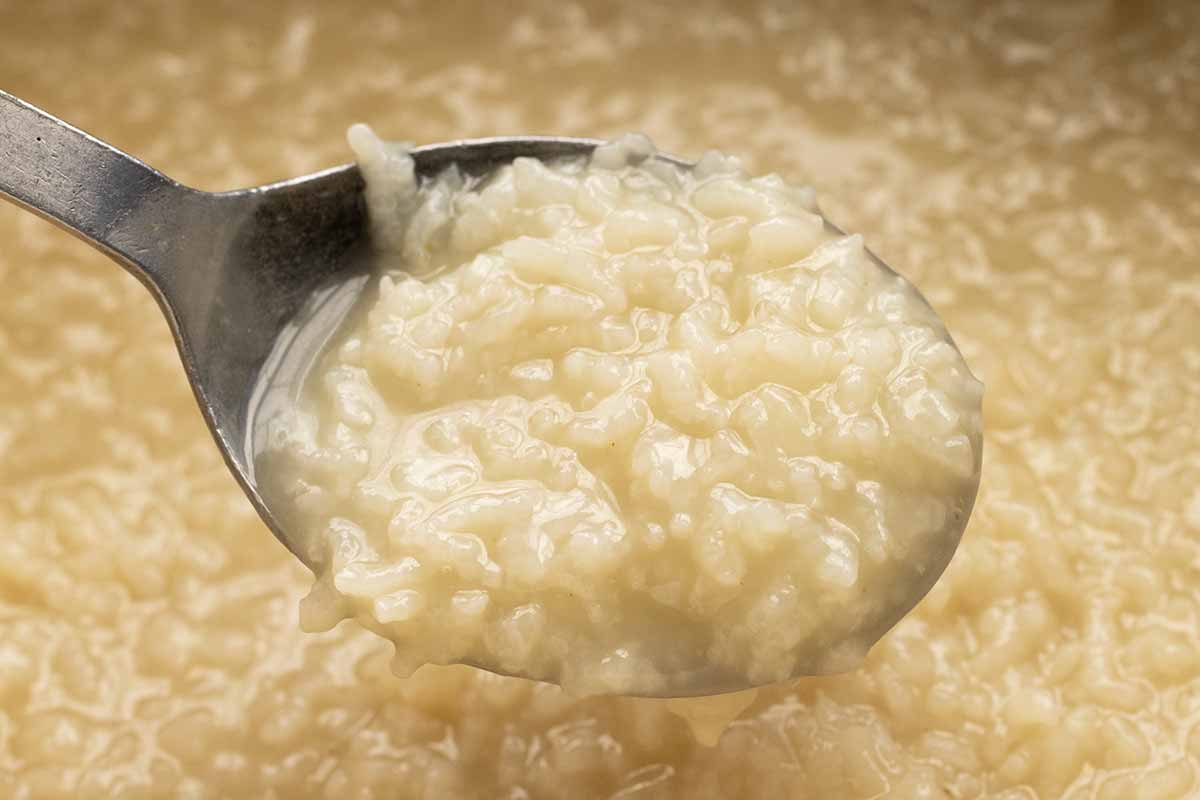
Once the grains begin to break down, stir to soften and distribute their starches, then let the porridge finish cooking for another 10 to 20 minutes, stirring only occasionally and checking for doneness. If it thickens too much at the end, I add a splash of extra stock to adjust the texture.
Expert Tip: If using long-grain rice, in the last few minutes of cooking, you can whisk to release the starches quickly and break down the rice slightly for a thicker consistency.
Step 6: To Serve
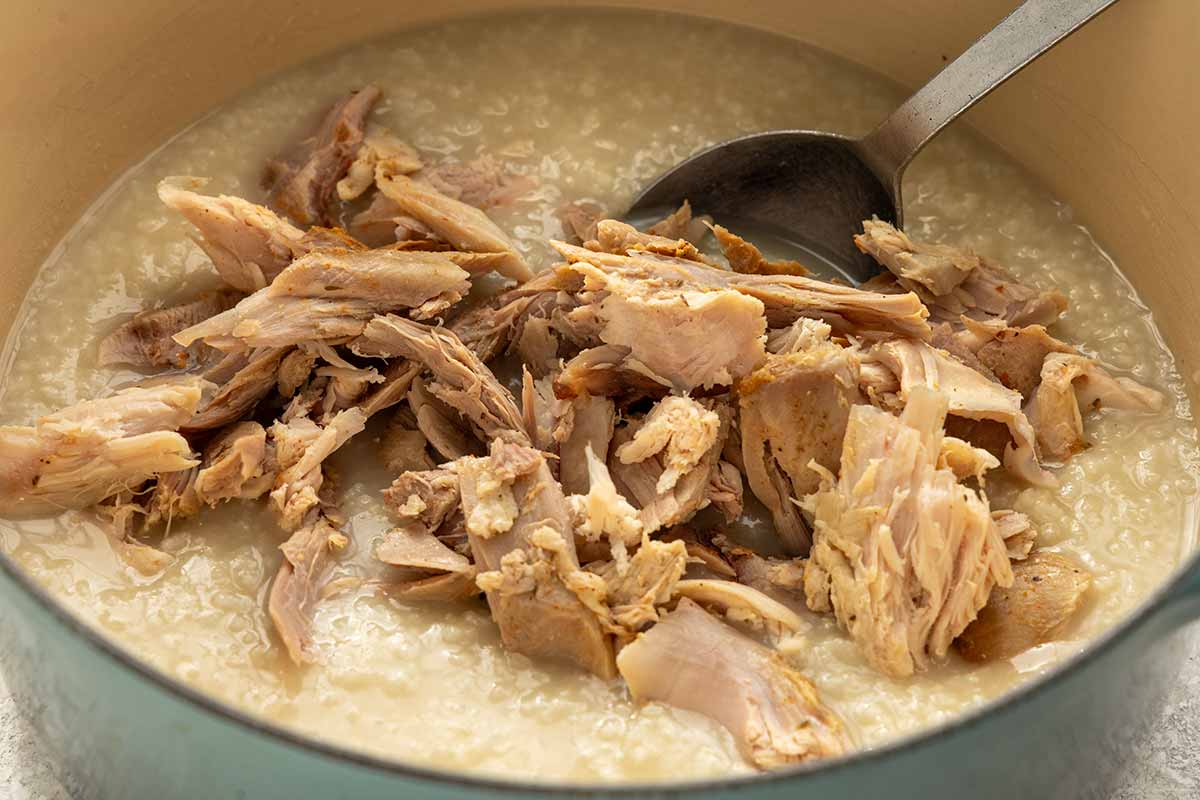
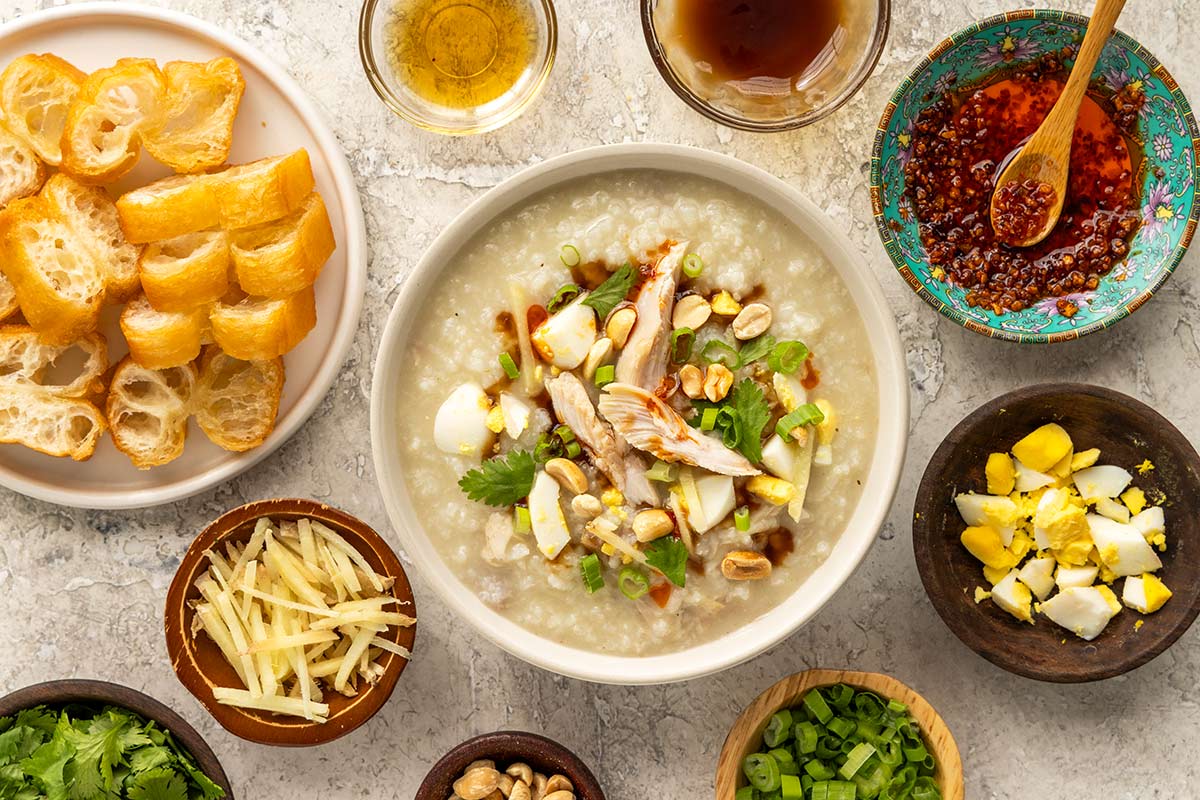
Once the jook has thickened, I stir in the reserved turkey meat and let everything warm for about 5 minutes. Then comes my favorite part, ladling the steaming porridge into bowls and calling everyone to the table. In my family, that meant loading the table with sliced green onions, cilantro, peanuts, oyster sauce, chopped eggs, thinly sliced ginger, and of course, Chinese donuts for dipping. It’s one of those meals where everyone gets to build their perfect bowl.
Frequently Asked Questions
To make jook with leftover turkey, start by simmering the turkey bones with aromatics to create a rich, collagen-filled stock. This becomes the foundation of the porridge. While the stock cooks, soak medium-grain rice so it hydrates evenly and breaks down more quickly. Simmer the rice in the hot stock at a gentle, low boil until the grains burst and release their starches, transforming the pot into a silky, comforting porridge. At the end, stir in the shredded leftover turkey.
Yes, you can absolutely make congee with leftover cooked rice. Since the grains are already hydrated and partially broken down, the porridge cooks much faster, usually in about 15 to 20 minutes. Add the rice to a pot with stock (start with about 1 cup rice to 3–4 cups liquid), bring it to a boil, then simmer and gently mash the grains as they soften so they release more starch. Add extra stock as needed until it reaches your preferred creamy consistency.
Yes, but it takes some planning ahead. There’s a clever way to speed things up: freeze the rinsed rice for 8 hours. I first learned this trick from my friends at The Woks of Life. After rinsing the raw rice, drain it well, place it in a bag, and freeze it overnight. The water inside the grains expands as it freezes, creating tiny fractures in the starch structure. When the frozen rice hits hot stock, those micro-cracks help the grains break down much faster, cutting the cooking time significantly to 20 to 30 minutes, and giving you a creamy congee in less time.
More Chinese Favorites


If you tried this Turkey Jook Recipe, please leave a 🌟 star rating and let me know how it went in the 📝 comments below!
Turkey Jook
Ingredients
- 1 cup Calrose rice, or medium-grain white rice
- 1 leftover turkey carcass, about 3 to 4 pounds
- 14 cups cold water
- 2 cups yellow or white onion, 1" dice
- 1 cup carrots, 1" pieces
- 1 cup celery, 1" pieces
- 1 slice ginger, ¼" thick, optional
Instructions
- Soak the Rice – Add the rice to a medium bowl, cover with cool water, scrub the grains between your hands, then drain. Repeat until the water runs clear. Cover with cold water and let it soak at room temperature while you make the turkey stock. This pre-hydration helps the grains cook faster and more evenly.
- Prepare the Bones – Remove any remaining meat from the turkey carcass and shred or chop it into bite-sized pieces. If you have extra leftover turkey, break it into small pieces; you’ll want about 2 to 3 cups total for the porridge. Cover and refrigerate until ready to use.
- Simmer the Stock – Add the turkey bones to a large stockpot and cover with 14 cups of cold water. Add more water if needed to cover the bones. Bring to a gentle boil over medium-high heat, then immediately reduce to low, keeping the temperature below 185ºF (85ºC). After about 10 minutes, skim off any foam or fat so the stock stays clear. Add the onions, carrots, celery, and sliced ginger (if using). Cover the pot with a slight opening and simmer gently for at least 1 hour, or up to 4 hours for a deeper flavor. Skim off the impurities as they rise.
- Strain the Stock – Remove the bones from the pot. If desired, remove any meat to add to the jook later, then discard the bones. Strain the stock through a fine mesh strainer set over another pot or large bowl. If desired, reserve the vegetables to chop up, and later add to the jook. Taste the stock and season with salt.
- Cook the Jook – In a large pot, add 8 cups of the turkey stock and bring to a boil over medium-high heat. Drain off the water from the soaked rice, then add it to the pot. Stir, then cover and cook until the stock comes to a boil again, about 1 minute. Stir again, reduce the heat to medium-low with the lid slightly ajar, and maintain a simmer with small bubbles breaking the surface around 200 to 205ºF (93 to 96ºC), adjusting the heat as needed. After 25 minutes, stir to prevent sticking.Continue cooking with the lid slightly ajar, stirring occasionally, until the liquid is glossy and the porridge becomes thick, about 10 to 20 minutes. The jook will thicken more as it rests, stir in more stock, broth, or water as needed to reach desired consistency. Taste and season with salt and white pepper.
- To Serve – Add the reserved turkey meat and vegetables (if using), and simmer for about 5 minutes to warm. Portion the hot jook into bowls. Add desired toppings like sliced green onions, cilantro, peanuts, oyster sauce, chopped eggs, thinly sliced ginger, chili oil, chili crunch, or Chinese donuts.
Recipe Video

Notes
- Recipe Yield: About 5 cups
- Serving Size: 1 ¼ cups
- Carcass Parts to Use: Add bones and cartilage from the breast, back, rib cage, thighs, drumsticks, wings, spine, and neck.
- Using Leftover Vegetables from Roasting the Turkey: If you roasted onions, carrots, and celery on the bottom of the pan when cooking the turkey, you can add them to the stock instead of fresh vegetables. You’ll need 4 cups of vegetables for the stock.
- Topping Suggestions: Sliced green onions, cilantro, peanuts, oyster sauce, chopped eggs, thinly sliced ginger, chili oil, chili crunch, or Chinese donuts.
- Storing: Refrigerate in an air-tight container for up to 5 days. Add more stock or water to thin the consistency when reheating.
Nutrition Facts
Percent Daily Values are based on a 2000-calorie diet. All nutritional information is based on estimated third-party calculations. Each recipe and nutritional value will vary depending on the brands you use, measuring methods, and portion sizes per household.




Leave a Comment