
From beans and lentils to tofu, tempeh, whole grains, and seeds, there are plenty of vegan protein sources to cook with. Mixing several of them into your meals throughout the week keeps plant-based cooking satisfying and interesting.

Each ingredient brings its own flavor and texture to the kitchen. Some, like tofu and tempeh, soak up marinades and brown beautifully in a hot pan. Others, like lentils and bulgur, cook quickly for weeknight soups and salads. Knowing how each one behaves makes it easier to build meals you’ll want to make again and again.
This guide covers 24 plant-based protein ingredients, grouped into legumes, soy foods, wheat-based proteins, whole grains, seeds, and nuts. Many of them are naturally gluten-free. Whether you follow a vegan diet, eat vegetarian, or simply want to cook with more plants, you’ll find flavor notes, cooking tips, and recipe ideas for each one. For more inspiration, browse all of my vegan recipes.
Vegan Protein Sources at a Glance
| Ingredient | Flavor and Texture | Best Ways to Cook |
|---|---|---|
| Beans | Creamy to firm, mild | Simmer, mash, or add to soups, chili, and burgers |
| Chickpeas | Nutty, buttery | Roast, blend into hummus, or toss into salads |
| Lentils | Earthy; soft to firm depending on color | Simmer for soups, stews, and salads |
| Peas | Sweet, tender | Stir into soups, rice dishes, and pasta |
| Soybeans | Mild, firm | Simmer, roast, or use to make soy milk and tofu |
| Edamame | Bright, slightly sweet | Boil or steam, then add to salads and stir-fries |
| Tofu | Mild; silken to extra-firm | Bake, pan-fry, scramble, or stir-fry |
| Tempeh | Nutty, firm, hearty | Marinate, then sear, grill, or crumble |
| TVP | Neutral, chewy once rehydrated | Rehydrate and use like ground meat |
| Seitan | Savory, very chewy | Marinate, stir-fry, or bread and fry |
| Bulgur | Mild, tender | Soak or simmer for tabbouleh and pilafs |
| Wheat berries | Nutty, chewy | Simmer for salads, soups, and grain bowls |
| Freekeh | Smoky, nutty | Simmer for salads, pilafs, and soups |
| Farro | Nutty, chewy | Simmer for soups, salads, and risotto-style dishes |
| Barley | Nutty, chewy | Simmer for soups, salads, and risotto-style dishes |
| Oats | Mild, toasty | Porridge, overnight oats, baking, and oat milk |
| Rice | Varies by type | Steam or simmer as a side or base for bowls |
| Amaranth | Nutty, slightly sticky | Simmer for porridge, or bake with the flour |
| Quinoa | Nutty, fluffy | Rinse, then simmer like rice for sides and bowls |
| Flaxseeds | Earthy, nutty | Grind for flax eggs or sprinkle into oatmeal |
| Chia seeds | Neutral; gel-like when soaked | Soak for pudding or stir into smoothies and jams |
| Pumpkin seeds | Nutty, crunchy | Toast for snacks, salads, and soups |
| Hemp hearts | Nutty, earthy, tender | Sprinkle over porridge, yogurt, and salads |
| Nuts and nut butters | Rich, buttery | Snack, toast for toppings, or blend into sauces |
Beans and Legumes
Beans

These inexpensive and versatile legumes are a pantry staple for plant-based cooking. Dried beans take a while on the stovetop (a quick soak helps), but canned beans are a great convenience option when you’re short on time. There are so many types of beans, the most popular being black, pinto, kidney, and cannellini. Learn how to cook black beans and pinto beans from scratch, then add them to burgers, soups, stews, salads, tacos, and dips.
Chickpeas

Also called garbanzo beans, chickpeas are a staple legume in Mediterranean and Middle Eastern cooking. They’re beige with a buttery texture and mild, nutty flavor. Roasted chickpeas have become a favorite snack, but you can also find them in a couscous salad or homemade hummus. The liquid from canned chickpeas, called aquafaba, is often used as an egg substitute.
Lentils

Lentils are dried and vary in color and size. There are many types of lentils, including brown, green, Lentilles du Puy, red, yellow, and black, and each has different textures and tastes. Learning how to cook lentils is easy, and each type lends itself well to soups, stews, sides, or salads. A pot of lentil soup is a great place to start.
Peas

Pea protein, especially in powder form, has become a common plant-based ingredient in protein powders. Whole peas, whether fresh, frozen, or canned, stir easily into soups, stews, rice dishes, and pasta. Dried split peas cook down into a thick, hearty split pea soup.
Soy Foods
Soybeans

Soybeans, also called soya beans, are a staple in many Asian cuisines and one of the few plant foods that provide all nine essential amino acids. These oval, beige beans are used to make soy milk, tofu, tempeh, and textured vegetable protein, as well as pantry staples like miso and soy sauce.
Edamame

Often used in Japanese cuisine, edamame are immature soybeans. They come in their pods, and the green, tender beans can be enjoyed once boiled or steamed. A great snack straight from the pod, edamame can also be added to soba noodle salad, sides, or stir-fries.
Tofu

Tofu is made from soymilk by pressing the curds into solid blocks. Press time and the amount of whey removed create different types of tofu: silken, soft, medium, firm, and extra-firm. It has a mild, lightly sweet, and nutty flavor that takes on marinades and sauces. Baked tofu is a popular favorite, but you can also fry, grill, sauté, stir-fry, or crumble it into a tofu scramble. Browse all of my tofu recipes for more ideas.
Tempeh

This rectangular cake is made from fermented cooked soybeans. Some brands blend in grains or flavorings, and soy-free versions are also available. It has a robust, nutty flavor and holds its shape well during cooking. It can be marinated and used to make a stir-fry, crumbled into sauces, or cut into slabs for seared or grilled “steaks” and sandwiches.
Textured Vegetable Protein (TVP)
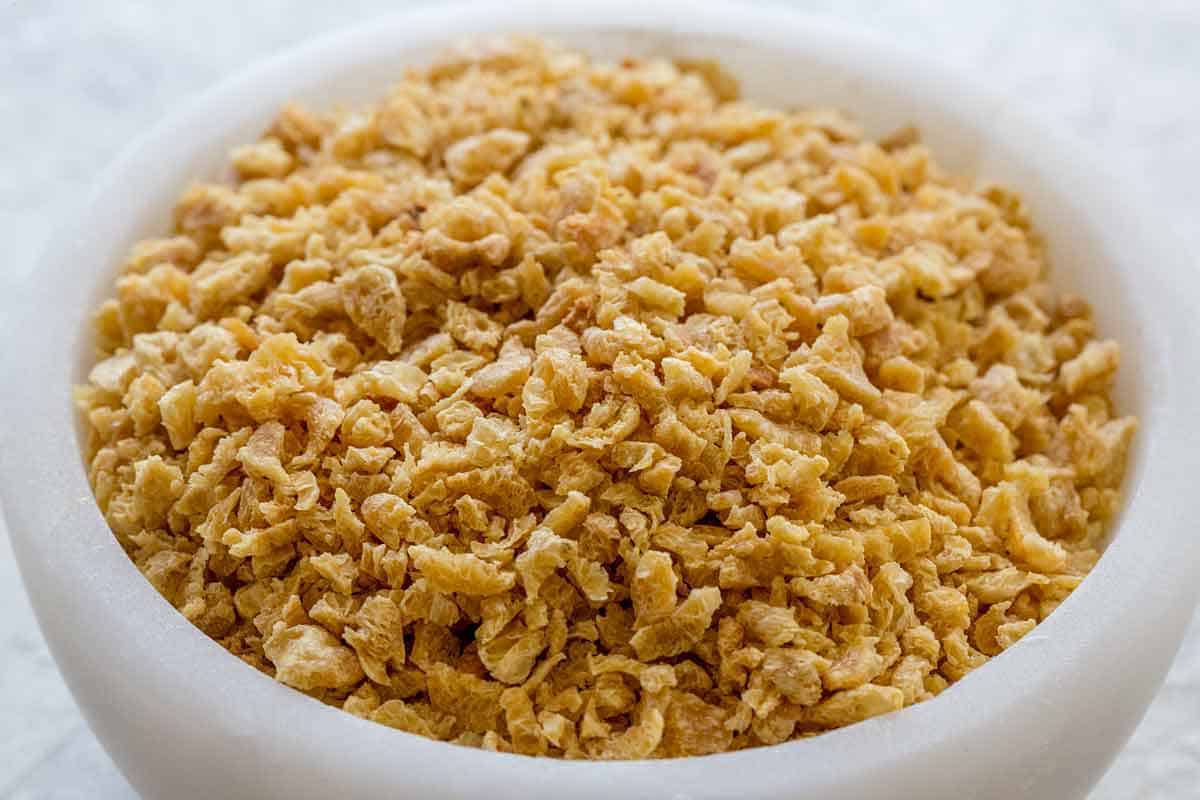
These dry, crunchy soy flakes rehydrate in hot water or broth before cooking, then serve as a meat extender or vegetarian meat substitute. TVP has a neutral taste, so it takes on whatever seasonings you add. Stir it into tacos, vegetarian chili, sloppy joes, meatballs, or meatloaf.
Wheat-Based Proteins
Seitan

Also known as “wheat meat,” seitan is made from wheat gluten. The texture is very chewy, mimicking chicken or beef. It’s sold in slabs, pre-cut slices, or cubes, plain or pre-seasoned. Seitan takes well to marinating, breading, frying, or stir-frying. Since it’s made from gluten, it isn’t suitable for gluten-free diets.
Bulgur Wheat

Bulgur is made from wheat kernels that are parboiled or steamed, dried, and then cracked, with some of the bran removed. Because it’s precooked, it’s ready quickly. Fine bulgur only needs to soak in hot water, while medium and coarse grinds are simmered briefly. It’s the classic grain in tabbouleh and works well in pilafs and salads. For a twist, try my quinoa tabbouleh.
Wheat Berries

Wheat berries are whole, unprocessed wheat kernels. They take longer to cook than cracked grains, but they keep a pleasantly chewy texture and nutty flavor. Add them to salads, soups, and grain bowls, or serve them as a side dish.
Freekeh
Freekeh is durum wheat harvested while still young and green, then roasted, giving it a nutty, smoky flavor and an olive-green color. You can buy it whole or cracked; cracked freekeh cooks faster. Simmer it until tender and use it like bulgur or farro. It’s a staple in eastern Mediterranean and North African cooking, especially in salads and pilafs.
Farro

Farro is a nutty, chewy ancient wheat grain. Learn what farro is and how to cook farro: it’s boiled and then simmered until the grains are tender. It’s great in a farro soup, stews, risotto-style dishes, or a roasted root vegetable salad.
Whole Grains
Barley

Barley is a nutty, chewy cereal grain best known for its use in beer making. You can buy it with the bran intact (hulled) or polished (pearled), which cooks faster. It’s easy to add to salads and soups, and pearled barley makes a nice alternative to rice in a risotto-style dish.
Oats

Oats are a whole grain with a mild, toasty flavor. There are many types of oats: steel-cut oats are whole oat groats chopped into small pieces, old-fashioned oats are steamed and pressed flat, and instant oats are precooked and dried. Eat them as porridge, soak them for overnight oats as a ready-to-go breakfast, make oat milk, or add them to snacks like energy bites.
Rice

Depending on the types of rice you choose, you’ll get a different taste and texture. White rice has the husk, bran, and germ removed, so it cooks up tender and quickly. Brown rice keeps its bran layer, giving it a chewier texture and nuttier flavor, but it takes longer to cook (here’s how to cook brown rice). Long-, medium-, and short-grain rice each cook up with different textures, and red and black rice add color to the plate. Pair rice with beans for a classic combination like black beans and rice.
Amaranth
Amaranth is a tiny, gluten-free seed native to the Americas that’s cooked like a grain. It has a nutty, toasty flavor and a slightly sticky, porridge-like texture once cooked. Simmer about ½ cup amaranth with 1 ½ cups water, uncovered, until tender. Use the grains in breakfast porridge and puddings or in place of rice, and the flour in gluten-free baking.
Quinoa

Quinoa is the seed of a plant in the goosefoot family from the Andes Mountains, and it’s one of the few plant foods that provide all nine essential amino acids. The seeds have a nutty taste but should be rinsed before cooking to remove the slightly bitter flavor from their natural coating, called saponins. They come in yellow, black, and red, and are often sold mixed. You can cook quinoa like rice for a side dish like cranberry almond quinoa, or use it in burgers and fritters.
Seeds
Flaxseeds

Flaxseeds are small, earthy, nutty seeds sold whole or ground. Ground flaxseed has a special thickening ability. Flax “eggs” are a combination of ground flaxseeds and water that thicken after a few minutes, and they’re used in place of eggs to give structure to baked goods. Sprinkle whole or ground flaxseeds into oatmeal, smoothies, and baked goods.
Chia Seeds

Chia seeds, which can be black or white, are tiny round seeds with a neutral flavor. When combined with liquid, the outer coating swells into a gel, which is how you make chia pudding. They have a jelly-like texture with a little crunch and are often added to drinks, smoothies, puddings, and chia jam.
Pumpkin Seeds

These green-hulled seeds, also known as pepitas, are often used in Mexican cuisine. Toasted pepitas add a nice crunch to salads and soups, and roasted pumpkin seeds make a great snack.
Hemp Hearts

Hemp hearts are the soft inner seeds of the hemp plant with the hard outer hull removed. The green and cream-colored seeds have a nutty, earthy flavor and a tender texture. Sprinkle them on top of porridge, non-dairy yogurt, smoothies, and salads.
Nuts and Nut Butters

Any nut you can dream of, like almonds, peanuts, cashews, Brazil nuts, pecans, or walnuts, adds protein and richness to plant-based cooking. They make a great snack or can be used as toppings, stirred into sauces, soups, and stews to add body, ground for baking like almond flour, or soaked to make dairy-free milks and cheeses. Nut butters like almond butter and peanut butter are easy to make at home and work as spreads or in sauces.
Frequently Asked Questions
Tofu is made from soy milk curds pressed into blocks, ranging from silken to extra-firm, with a mild flavor. Tempeh is made from whole cooked soybeans that are fermented and pressed into a firm cake. It’s chewier and nuttier than tofu and holds its shape well when sliced, seared, or crumbled.
Beans, chickpeas, lentils, peas, soybeans, edamame, tofu, quinoa, amaranth, rice, seeds, and nuts are naturally gluten-free. Seitan, bulgur, wheat berries, freekeh, farro, and barley contain gluten. For oats, tempeh, and TVP, check the label, since some products are blended with grains or processed alongside wheat.
Yes. Canned beans are already cooked, so drain and rinse them, then add them toward the end of cooking so they heat through without turning mushy. Dried beans take more time but let you control the texture and seasoning.
Textured vegetable protein is made from soy flour that’s processed into dry flakes or crumbles. Rehydrate it in hot water or broth before using it in recipes like tacos, chili, and sloppy joes.
Choose firm or extra-firm tofu and press out as much water as you can before cooking. Less water means the surface can brown and crisp when you bake, pan-fry, or stir-fry it. My baked tofu recipe walks through the process.
I hope you found this guide to vegan protein sources helpful! As you can see, there are lots of delicious ways to cook with plant-based proteins every day. If you think a protein source should be added to the list, or if you have a question about one, please leave a comment below!




Imen says
Thank you so much, you helped me a lot,
I am trying to help a family their 12 years son has cancer and they don’t know how to deal with this and what type of food should they prepare for him.
Jessica Gavin says
You’re welcome! Sending you and your loved ones lots of positivity and love.
Girish Mahajan says
Thanks, for the information. ?
Jessica Gavin says
You’re welcome!
Dhyana says
Thank you so much for such a detailed post. Loved it
Jessica Gavin says
You’re welcome, Dhyana!
Corrie says
Where are you finding Pearl Barley that has 15g of protein per 1/4 cup uncooked? I don’t see that anywhere.
Constance says
Thank you, this was helpful because I workout a lot and being a vegan while working out I need a lot more protein in me diet. This was most helpful
Jessica Gavin says
I’m thrilled to hear that the vegan protein sources are helpful to you!
James Smith says
This is a very useful list. Is it possible for me to print it in under 35 pages?
Prasad says
Grains, beans are great source of vegetarian protein and I really like these foods for get sufficient protein.
Karen Mel says
This was very helpful Jessica! Thank you for such detailed info. I have transitioned my family to a plant based diet recently and I am excited to start incorporating many , not all because I have Celiac , of the items you listed. Stay safe and continue doing such great work!
John McCormick says
Very nice and informative site. Quite helpful and informative. Thanks.
Marilyn says
This is the best site I’ve seen 4 a listing of veggie protein foods. I am starting carb count. under guidance from a nutritionist, my healthcare benefit, limited to 12 carbs a day, with 15 grams considered 1 carb. But I have been BORED with my protein choices bc I do not eat meat or fish. I tried the quinoa & hated it, a horrible taste, same with the tempeh. I am willing to try differ. things however such as the green peas, edamame, refried beans which may be made from pintos?, also eggs from “free range & outdoor walking chickens”, protein powder shakes, etc. Also your site has a nice uncluttered look to it except 4 the annoying ads, & the fotos r bellissime, makes me want to run to my kitchen to eat something! Grazie.
Jessica Gavin says
I’m so happy to hear that you found the vegan protein sources post helpful!
Cyan says
For what it’s worth, this is a huge help. I lived in a household of three and it’s….hilarious trying to cook meals together. I’m allergic to soy, another has Celiac’s and can’t do gluten, and the last is vegan. This list is a lifesaver. Thank you so much!
Cindy says
Thank you so much Jessica. Sometimes, we forget all about these wonderful grains, beans, and it is such a refreshing reminder.
Toby says
You write: “It can be a challenge to obtain all of the nine essential amino acids from single types of plants alone. That’s why it’s necessary for those on a vegan diet to incorporate a variety of food sources that are high in protein and healthy fats to receive all the required nutrients for normal body function.”
It’s sad you perpetuate a myth that has been solidly debunked by science decades ago. You don’t need “combining” protein sources as a vegan. In fact, as long as you don’t starve yourself (i.e. caloric restriction) it’s impossible to develop “protein deficiency” on a vegan diet and there are no recorded cases in science. Please spend 4 minutes on Nutritionfacts.org: https://nutritionfacts.org/video/the-protein-combining-myth/ The only thing you need to think about as a vegan is B12. Cheers.
JJ says
Toby…Toby…this is a beautiful write-up of easily-sourced vegetable proteins; the pics are stellar and the entire presentation is very professional. And then it can be added that the article itself packs a plethora great information that readers want to hear. It’s shocking that you’d be critical of a single line in the FIRST two sentences of the entire article. It makes me believe that you didn’t read the article at all, which is much to your loss.
I stand by Jessica’s great effort here (and all her other blog articles) to share with others the information she’s learned in her culinary studies and experiences, which is something that is not commonly found. Keep up the good work, JG!!
Jessica Gavin says
Hi JJ- I’m really happy to hear that the information was helpful to you. I appreciate your feedback and support, you keep me motivated to share!
Alyssa says
My husband recently read the China Study and some other items/documentaries and has switched to a plant based diet. Protein intake was a concern as I transition our family over to this so your article could not have come at a better time! So much great info here!
Jessica Gavin says
I’m so happy that I could help give you some ideas for plant-based protein sources Alyssa!
Sanath Ama says
Raw veggies are good source of Protein when you cook something Protein is gone.
Pat says
Wow Jessica
A super reference and beautiful pics. It makes me want to go to my kitchen and cook.
A few I never heard of and hopefully some can be added to my gluten free list. I love seeing what you have for us each time. Thanks a bunch. I love new ideas. I am soon to be 69 and still love to cook and bake and veggies are my favorite food group. Thanks Pat
Jessica Gavin says
Thank you for your feedback Pat! That is so awesome that you love veggies and cooking 🙂 I hope this post can inspire you to try new ingredients!
brita says
This is SUCH a well put together roundup of vegan protein! I forget about some of these sometimes and should really branch out. I’ve been on a big tempeh kick lately and have actually never tried seitan before
Jessica Gavin says
Thank you Brita! I had a lot of fun exploring Whole Foods and learning about the nutrition and uses of each protein source. I can’t wait to try more of these meat alternatives too 🙂